The decree, announced through the Justice Ministry's legal information channel, sets the framework for the transport and logistics sector through 2030 and designates five specialised locations: the city of Khanabad in the Andijan region, the Alat district in the Bukhara region, the Termez district in the Surkhandarya region, and the Yangiyul and Akhangaran districts in the Tashkent region. Access to the fiscal benefits is conditional: a centre must appear in the agreement of the UN Economic and Social Commission for Asia and the Pacific (ESCAP) on dry ports, operate digital terminal and warehouse management systems, and hold a rating of at least "BB" on the Transport Ministry's E-logistika platform.
The tax and customs package has three time horizons. Land tax and property tax relief for qualifying logistics centres runs to 2040. Until 1 August 2029, centres listed in the official register are exempt from customs duties and mandatory certification on imported equipment that is not produced in Uzbekistan — including warehouse equipment, loading machinery, units and spare parts. And until 31 December 2027, enterprises manufacturing category M2, M3 and N vehicles may bring in components that are not made domestically without paying import duty.
The decree also fixes the sector's 2030 targets: annual logistics centre capacity of at least 40 million tonnes, US$3.5 billion in exports of transport and logistics services, and 18.5 million tonnes of transit freight. The number of international dry ports meeting the required standard is to rise from 24 to 30, and freight capacity at border checkpoints is to double. By the end of 2030, terminal and warehouse management systems across the network are to be connected to the E-logistika platform.
For equipment suppliers, the decree creates two separate import lanes. The first runs through the logistics centres themselves: warehouse equipment, loading machinery and related units imported by registered centres enter without customs duty or mandatory certification until August 2029, which directly lowers the cost of fitting out new hubs at Khanabad, Alat, Termez, Yangiyul and Akhangaran. The second runs through vehicle manufacturing: duty-free component imports until the end of 2027 reduce the landed cost of locally assembled buses and goods vehicles, which is exactly where the M2, M3 and N categories sit.
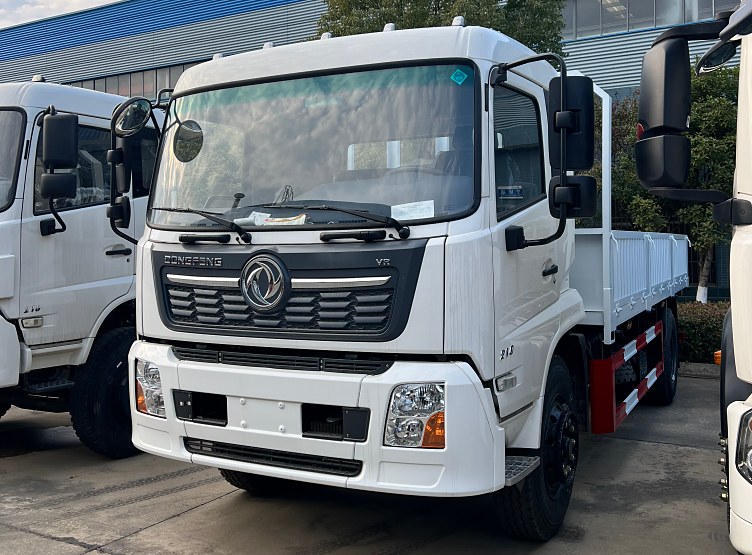
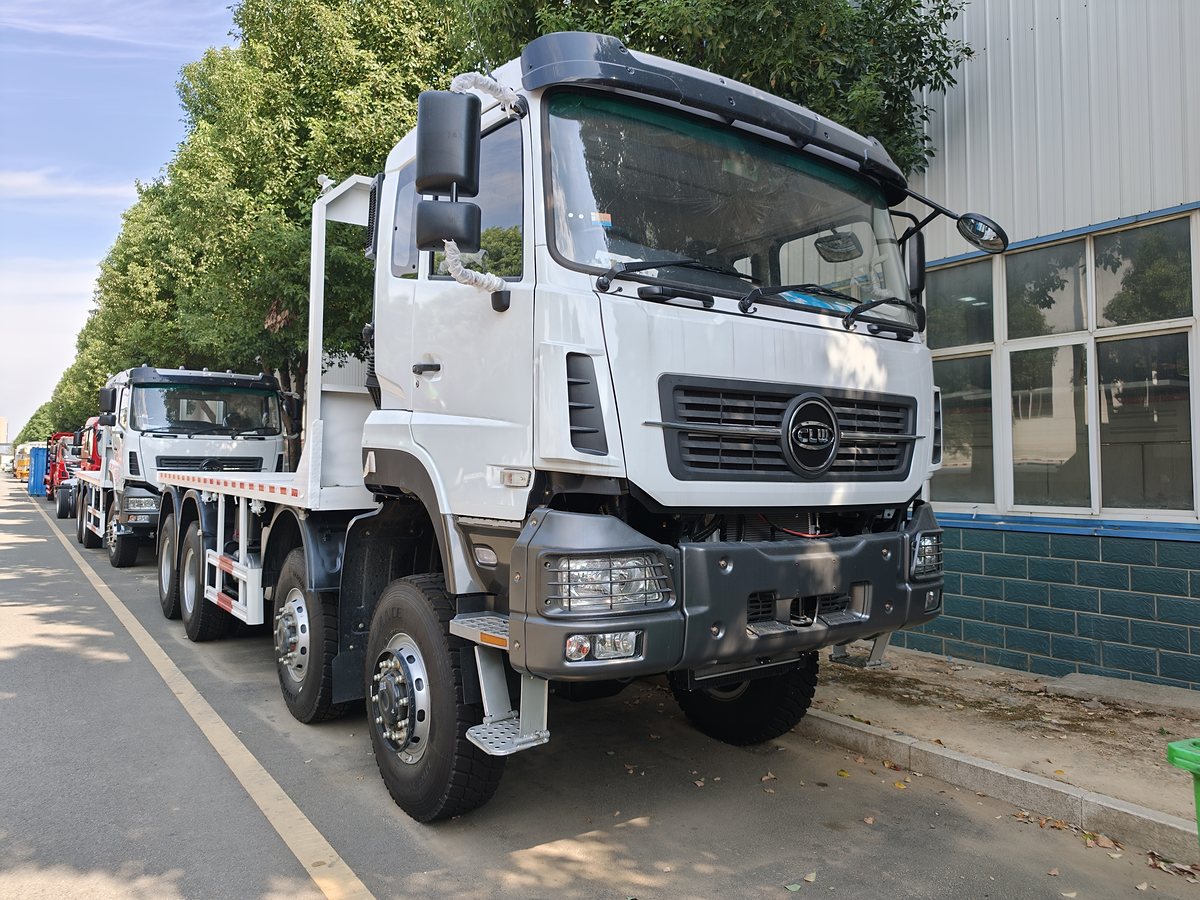
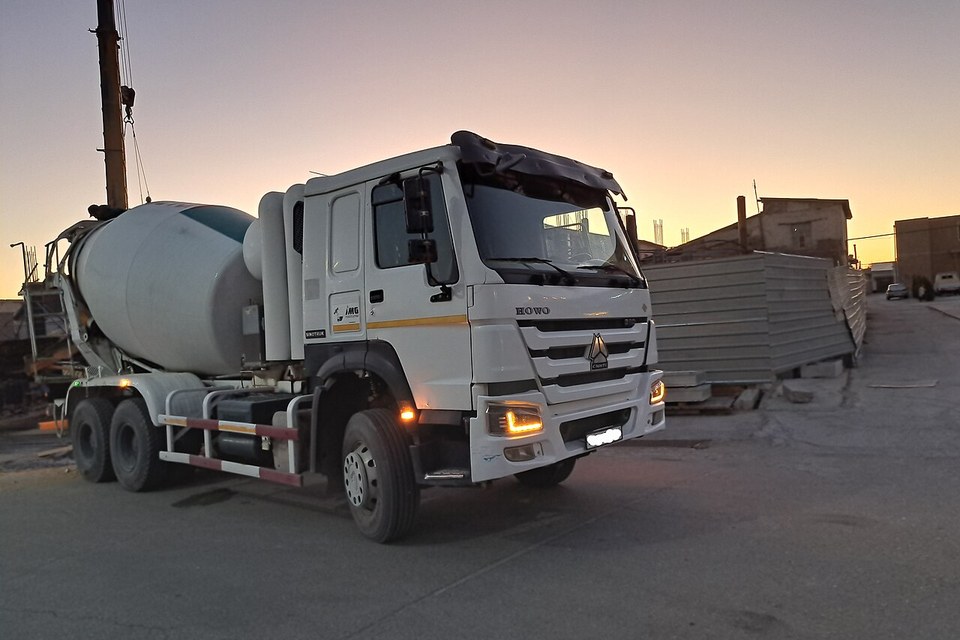
The demand signal behind the numbers is the dry-port programme itself. Moving from 24 to 30 international dry ports, doubling border checkpoint capacity and lifting transit freight to 18.5 million tonnes all describe more cargo passing through more facilities — and cargo handling at that scale is done by loading machinery inside the centres and by trucks on the approach roads. General cargo trucks, box vans and flatbed transporters are the vehicle classes most directly tied to how these hubs are actually worked, and Uzbekistan's position on the China-Europe corridor keeps transit volumes, not just domestic demand, in the picture.