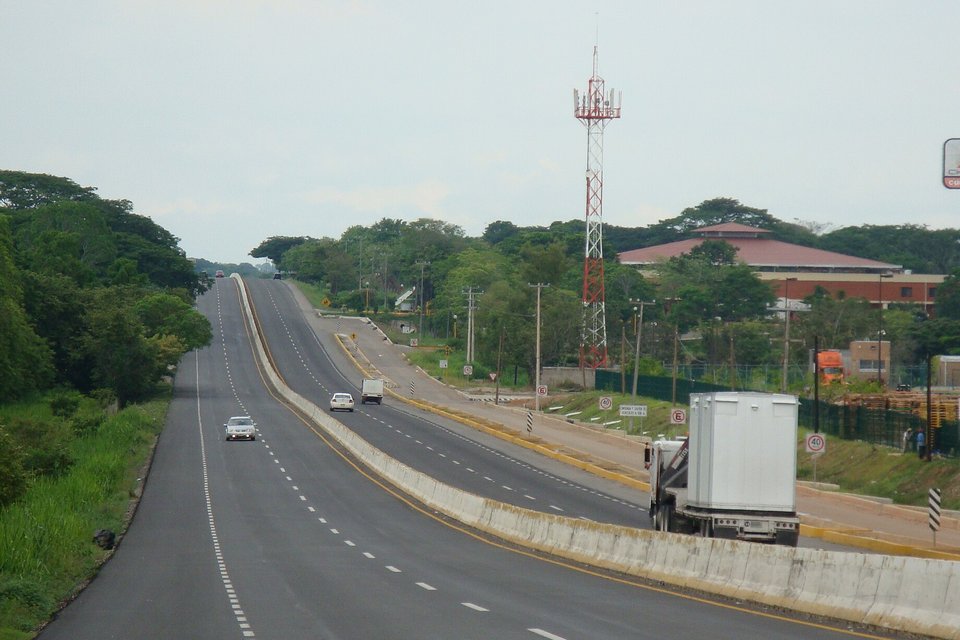
The corridor runs from Macuspana in Tabasco to Escarcega in Campeche, and the works began in March 2025 with completion set for December 2029. Broken down by state, Tabasco accounts for 28.5 kilometres under construction together with two bridges and shows 71.34% progress; Campeche covers 20 kilometres at 55.6%; and 5.5 kilometres in Chiapas are due to be rehabilitated. Sixteen kilometres were modernised during 2025 — twelve of them in Tabasco between Macuspana and kilometre 60, where two bridges were also built, and four in Campeche between Escarcega and El Tormento. If the 2026 target is met, the highway will total 70 widened kilometres by the end of the year, or 28% of its length.
SICT estimates that travel times between Macuspana and Escarcega will fall from three hours to two hours and twenty minutes, benefiting around 760,000 inhabitants of the three states. Once the expansion and maintenance works are completed, the route will be integrated into the Gulf Corridor, which the ministry expects to improve long-distance connectivity, speed up the transport of passengers and goods and reduce operating costs. The project budget has also risen: the current allocation is 19% higher than the estimate reported in April for the same 249 kilometres.
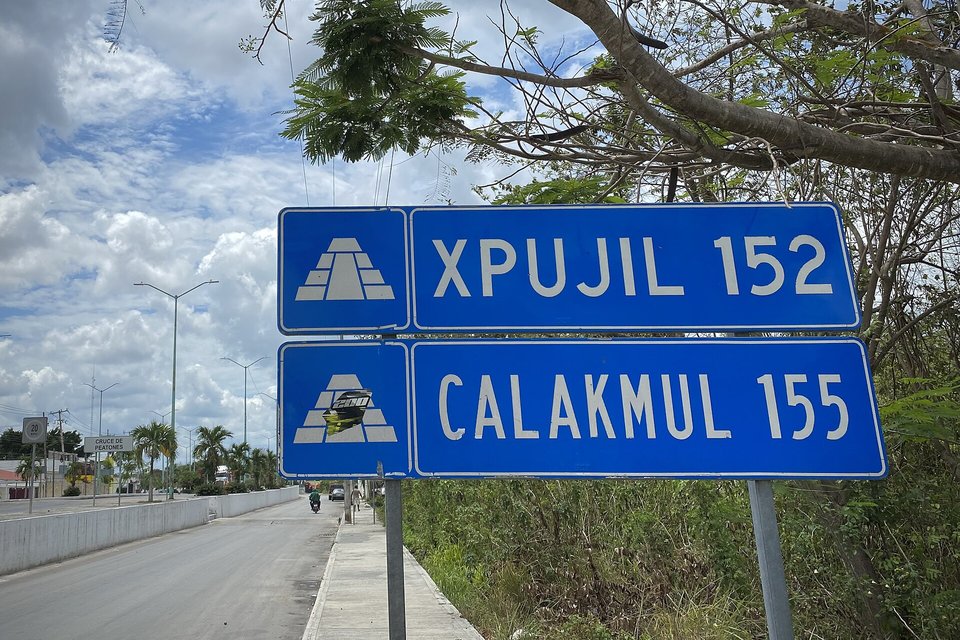
The corridor is one of the priority roads of the federal highway programme, for which SICT has earmarked 154.616 billion pesos (US$9.042 billion) to intervene on 3,161 kilometres during President Claudia Sheinbaum's six-year term. In parallel, the Gulf Corridor that the widened highway will join is in the tender process under the development bank Banobras as a public-private partnership. That package covers the expansion, modernisation, operation and maintenance of 514.6 kilometres between Tampico and Reynosa, together with the Nuevo Laredo bypass, with a decision scheduled for 17 November.
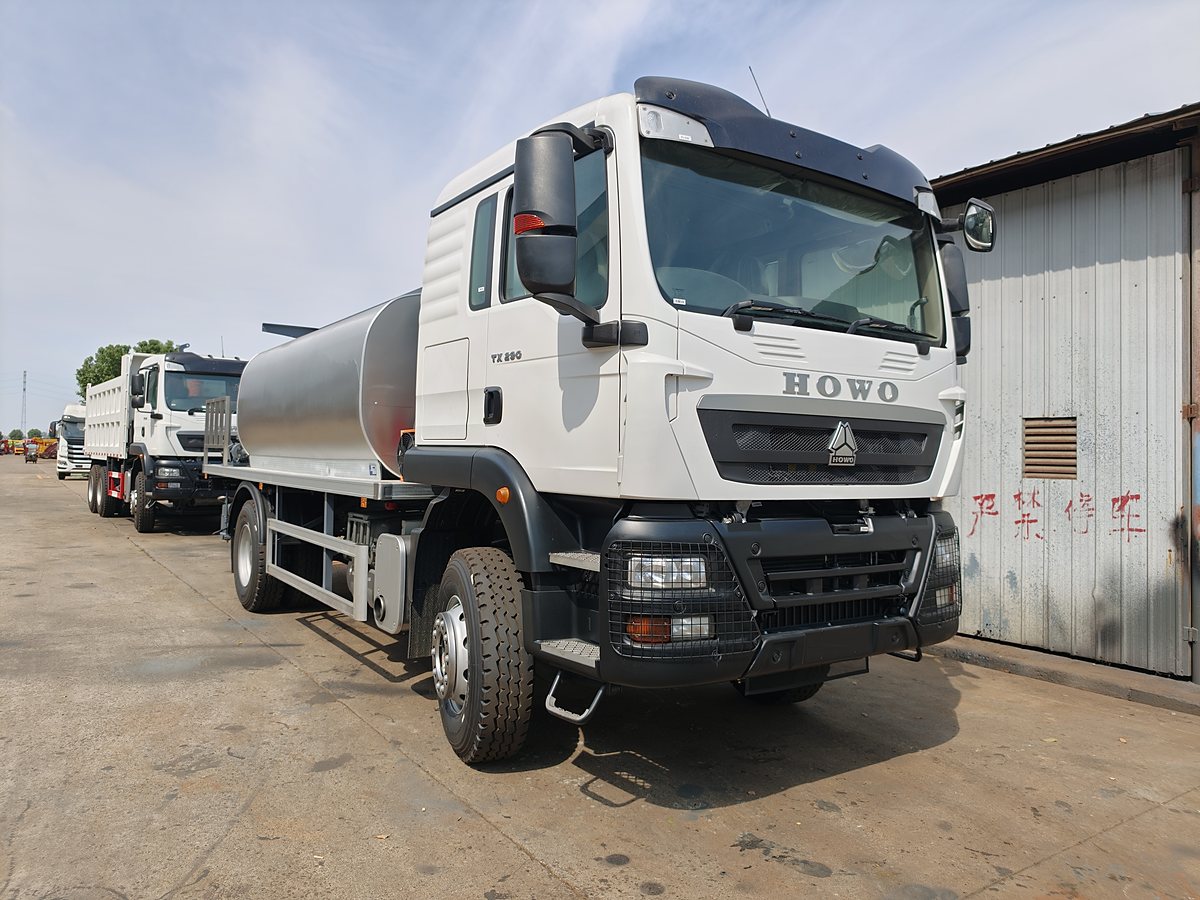
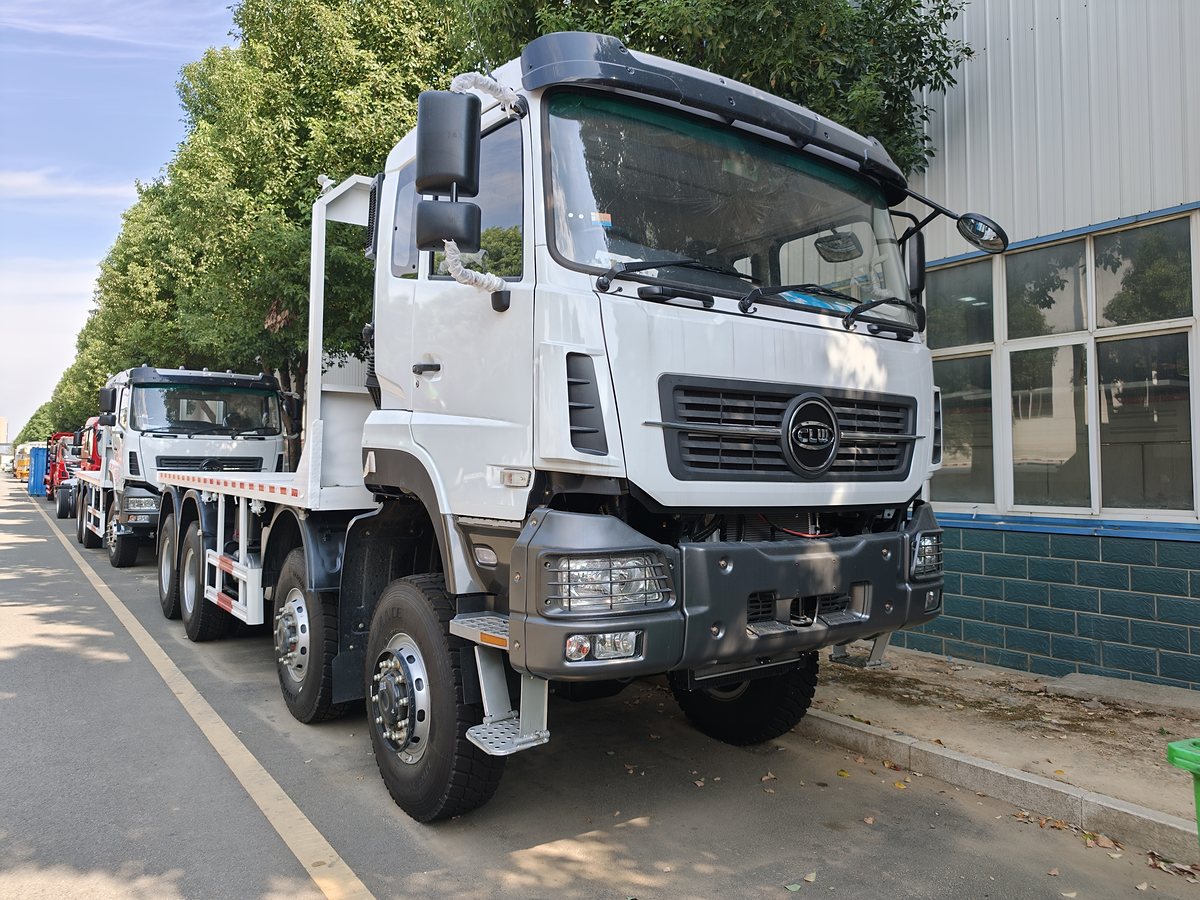
For road-building fleets, the shape of the programme matters as much as its size. Sixty-five work fronts running at the same time on a single corridor means equipment has to be distributed rather than centralised: each front typically needs its own hauling capacity for cut-and-fill material, its own water supply for dust suppression and compaction, and its own lifting support at bridge and interchange sites. Multi-year widening programmes of this kind therefore translate into sustained demand for dump trucks, asphalt distributors, water tankers, flatbed transporters and truck-mounted cranes rather than a single large order.
Two dates are worth tracking. The first is December 2029, the completion horizon for the Macuspana-Escarcega works, which leaves roughly three years of continuous equipment demand on this corridor alone. The second is 17 November, when the Banobras decision on the Gulf Corridor concession is due; an award would set out the operating-and-maintenance requirement for 514.6 kilometres of roadway — a different specification mix from the construction phase, weighted towards sweepers, jetting and patrol units rather than earthworks plant. The 19% budget increase recorded in 2026 also suggests that procurement volumes on the programme are being revised upward, not down.