The three operations were approved on separate dates. The Hai Phong City Resilience Development Project, at US$260.1 million, was cleared on 4 September; the Mekong Resilient Regional Connectivity Project, at US$251.12 million, on 9 September; and the Sustainable Fisheries Development Project, at US$155.52 million, on 14 September. All three are financed by the International Bank for Reconstruction and Development, the World Bank Group's lending arm for middle-income governments.
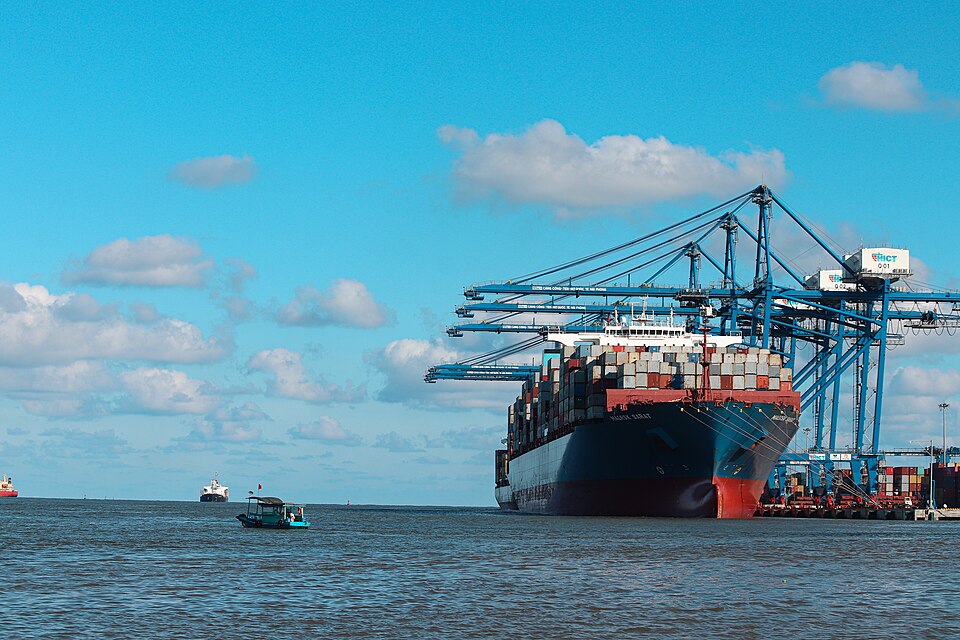
In Hai Phong, the country's principal northern port and third-largest city, the project will build a new section of Ring Road 3, which the World Bank says will reduce truck travel time between key locations. It also expands wastewater treatment capacity and protects the historic city centre from flooding. More than 311,000 residents are expected to benefit. Construction is expected to employ approximately 10,700 casual workers and 2,300 professionals.
In the Mekong Delta, the connectivity project will rehabilitate 251 kilometres of key highways to international road safety standards. The World Bank estimates the improvements will give 856,800 direct users reliable year-round connectivity and help farmers move goods to market during heavy rainfall. Construction is expected to generate approximately 10,900 jobs annually. Work of that scope is typically let as corridor-by-corridor civil works packages rather than a single award.
The fisheries project covers the north, central and Mekong Delta regions and will modernise nine fishing ports, together with the supporting infrastructure network and capacity for climate-resilient fishing and aquaculture. More than 525,000 fishers, aquaculture farmers and coastal residents are expected to benefit from higher incomes, better seafood quality and reduced post-harvest losses, with women making up at least half of direct beneficiaries. Port modernisation of this kind adds handling, storage and inland haulage requirements around each site.