The structure of the round is the most instructive part of the announcement. The US$26 million of Series B equity was led by InfraCo, part of the Private Infrastructure Development Group (PIDG), with participation from the European development-finance institutions Oikocredit and FMO as well as existing backers ARAF, Goodwell, Africa Eats and FINCA. A further US$14 million of debt financing came from the Schmidt Family Foundation, backing an explicitly asset-heavy model. According to the company, the capital will strengthen storage, processing, transport and digital distribution systems in Tanzania and Kenya, and the expansion is expected to benefit up to 100,000 smallholder farmers, 45 percent of whom are women.
The company already runs one of the region's more complete cold-chain operations. East Africa Foods sources produce from more than 28,000 registered smallholder farmers and supplies over 10,000 urban retailers across Tanzania and Kenya, and says its integrated supply chain has cut food losses by a third across its network. The scale of the problem is large: in East Africa, up to 40 percent of food produced is lost before it reaches consumers — most of it for lack of refrigerated storage and transport rather than for lack of harvest. Founder and chief executive Elia Timotheo framed the raise in exactly those terms: "A third of what our farmers grow never reaches anyone's table. That is not a farming problem: it is an infrastructure problem, and it is solvable."
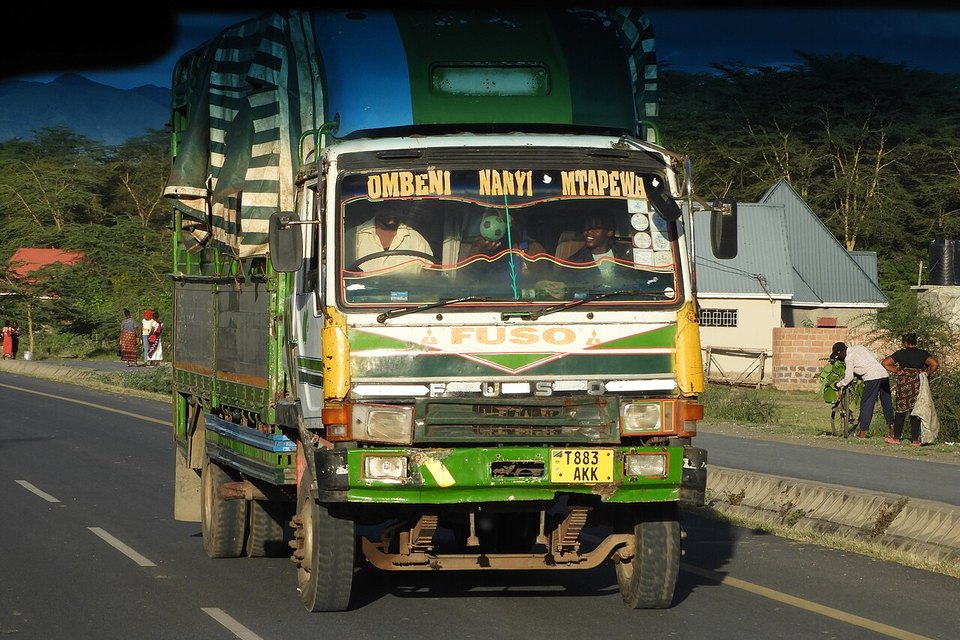
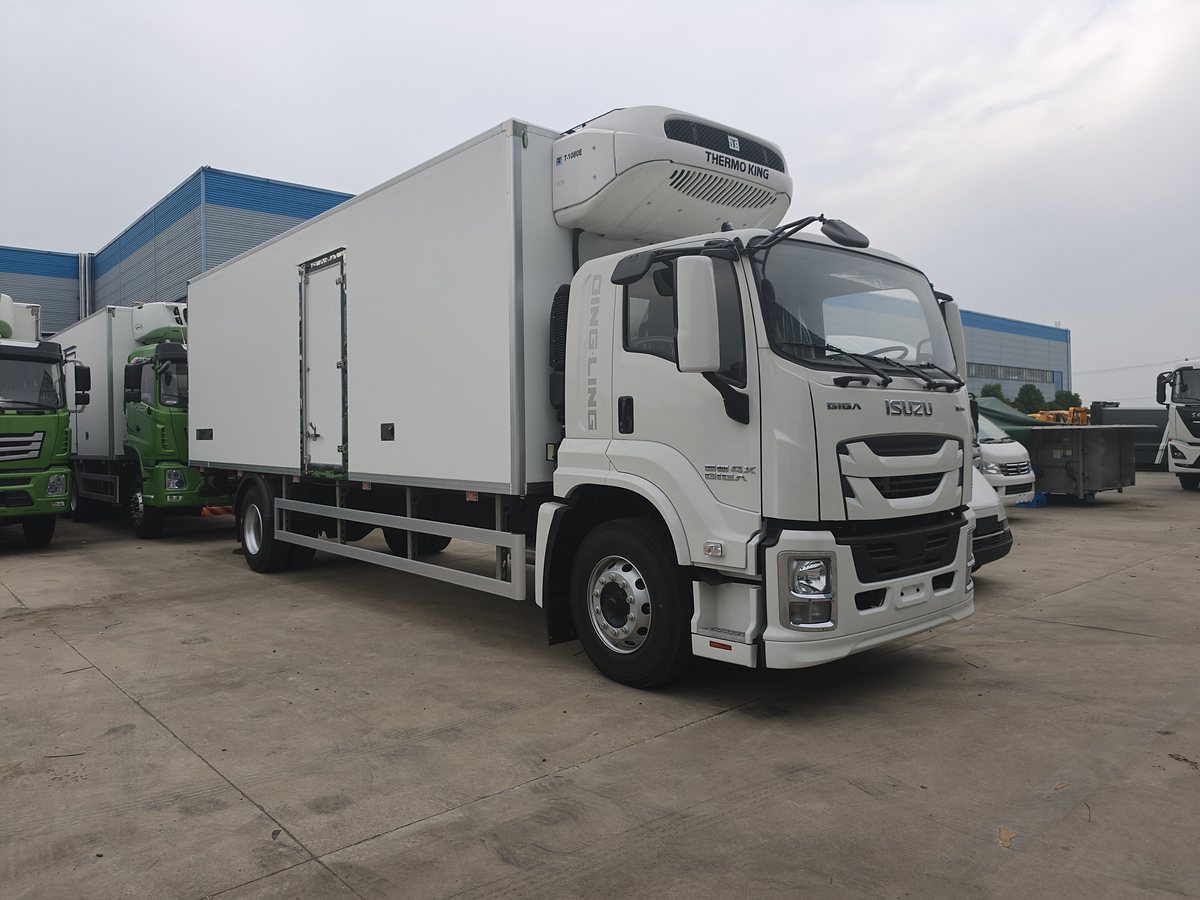
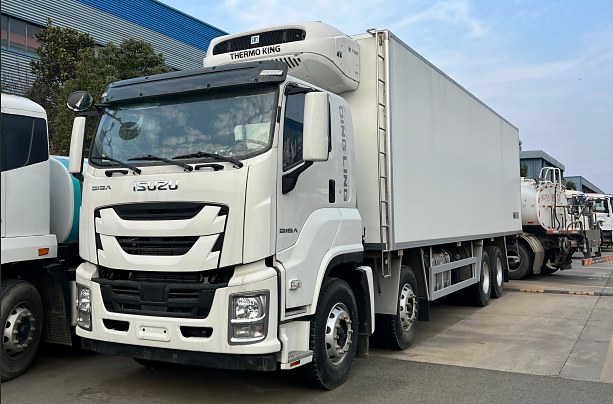
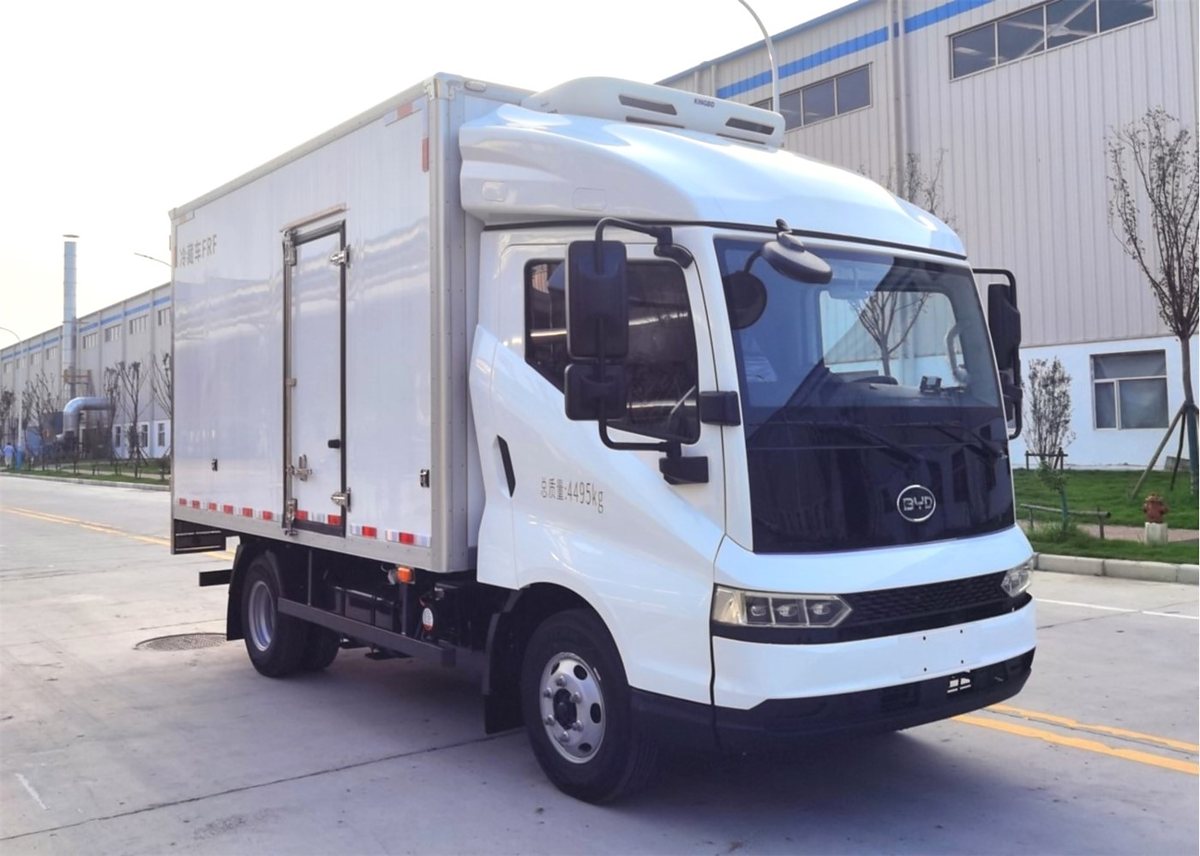
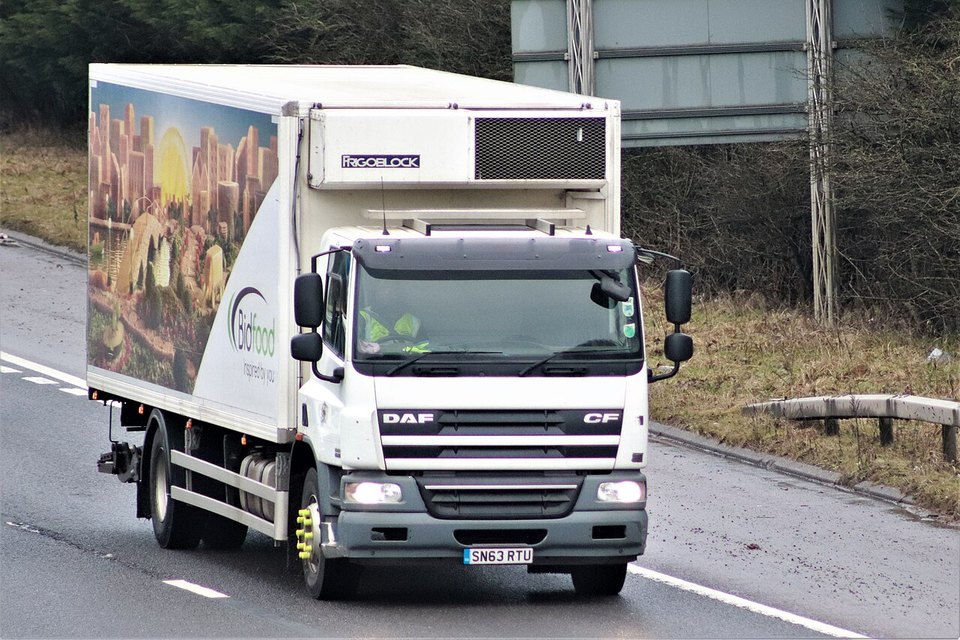
From an equipment supplier's point of view, what makes this round unusual is how specific the spending plan is. Blended-finance raises in African agribusiness are usually announced in terms of "working capital" and "market expansion"; this one puts cold storage and trucks first on the list. Trucks are the moving half of any cold chain: temperature-controlled collection vehicles that gather produce at the farm gate before it warms up, and refrigerated distribution trucks that carry it to cold stores and on to city retail. Every additional tonne the network recovers from post-harvest loss has to move on refrigerated wheels, and the expansion into Kenya adds a cross-border corridor to the routes those trucks must cover.
For exporters of refrigerated trucks, this kind of East African procurement points to a recognizable specification. Tanzania and Kenya are both right-hand-drive markets reached through the ports of Dar es Salaam and Mombasa. Fleets built for farm-gate collection typically start with medium-duty 4x2 refrigerated trucks in the 4-to-8-tonne class, while corridor and wholesale distribution runs on 15-to-18-tonne chassis with larger insulated boxes. Bodies need multi-temperature capability so one vehicle can carry chilled and frozen loads together, plus temperature recorders that satisfy both retail buyers and export customers. And the equipment must tolerate long runs on roads where cold-chain uptime is not a comfort feature but the entire business case.
The identity of the investors is as instructive as the amount. InfraCo, Oikocredit and FMO are development-finance institutions, and their involvement signals that African cold chain has moved from the aid narrative into the category of bankable infrastructure — and discipline follows the money. Suppliers who want a share of fleets funded this way should expect buyer-side due diligence on uptime, spare-parts availability, warranty terms and operating data, not just on unit price. And because the company's stated ambition is to replicate the model across the continent, a documented reference fleet running in Tanzania and Kenya becomes a sales asset in every neighbouring market where the same post-harvest arithmetic applies.