
ProInversión, the private investment promotion agency operating under Peru's Ministry of Economy and Finance, says the 'Obras por Impuestos' (Works for Taxes, OxI) mechanism adjudicated 691 interventions worth S/9,409 million between January and September 2026. That is more than triple the S/2,989 million recorded in the first nine months of 2025, and it makes 2026 the strongest year since the mechanism was created in 2009 — the nine-month total already represents roughly 36 per cent of everything adjudicated under OxI in 17 years, which stands at S/26,392 million across 1,761 projects.
The mechanism lets private companies finance and execute public works in exchange for tax-credit certificates that are redeemed against future tax obligations. Because the private side pre-finances construction, it has become the fastest route from a municipal wish-list to an active worksite. Momentum built through the year: the third quarter alone adjudicated 351 interventions worth S/3,858 million, the largest quarterly volume in the programme's history, and September by itself reached 105 interventions worth S/1,652 million — nearly double the S/877 million of September 2025.
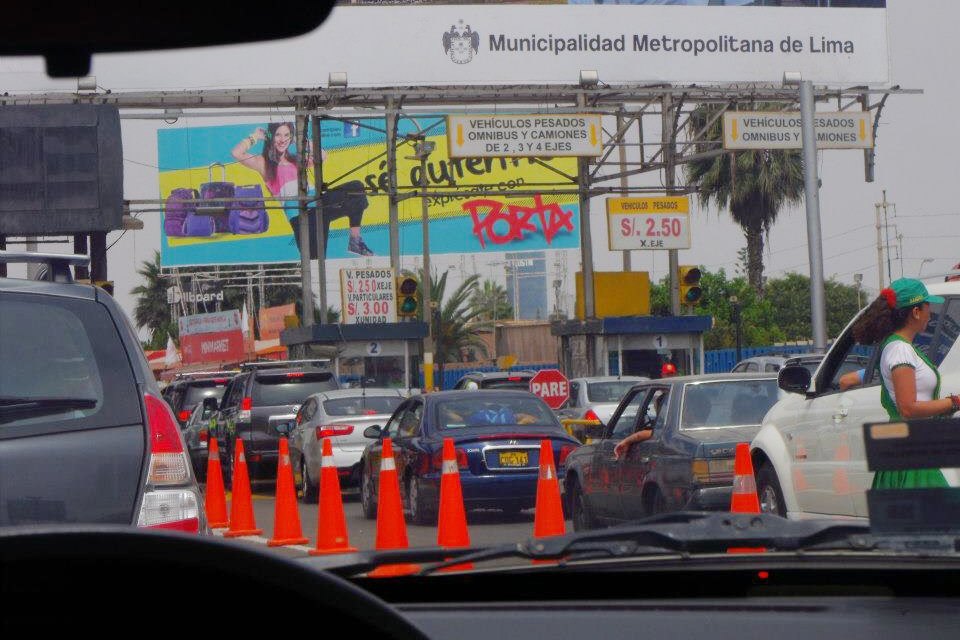
Transport leads the sector ranking with S/3,242 million in adjudications, ahead of education (S/1,552 million), planning and contingency reserves (S/1,270 million) and health (S/873 million). Regional governments captured 50 per cent of the money while local governments dominated by count, launching 471 projects. That split matters for equipment suppliers: municipal and regional works are where single-unit purchases of dump trucks, water tankers and road-maintenance vehicles are decided, rather than the packaged fleet tenders handled at ministerial level.
The 2026 cycle also broadened the base. A total of 343 public entities and 408 private companies took part in the first nine months, and 282 of those companies — 69 per cent — were first-time participants committing S/3,043 million, while 216 public entities were also new to the mechanism. ProInversión has additionally activated an expedited track, 'Obras por Impuestos Express', under Emergency Decree No. 010-2026, which compresses approval to four or five weeks for El Niño prevention works and runs until December 2027. The agency notes that nearly S/70,000 million of annual certificate capacity remains unused — the headroom the 2027 pipeline will draw on.
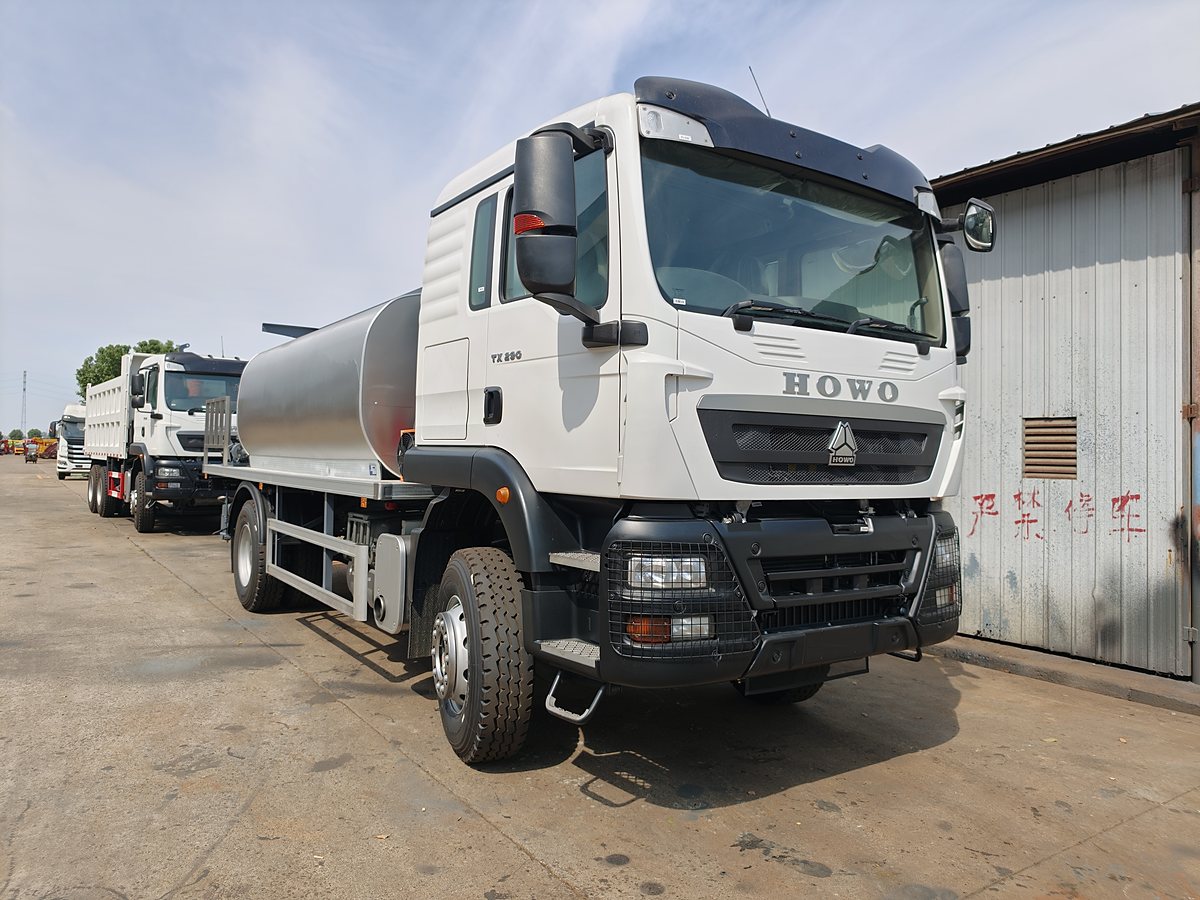
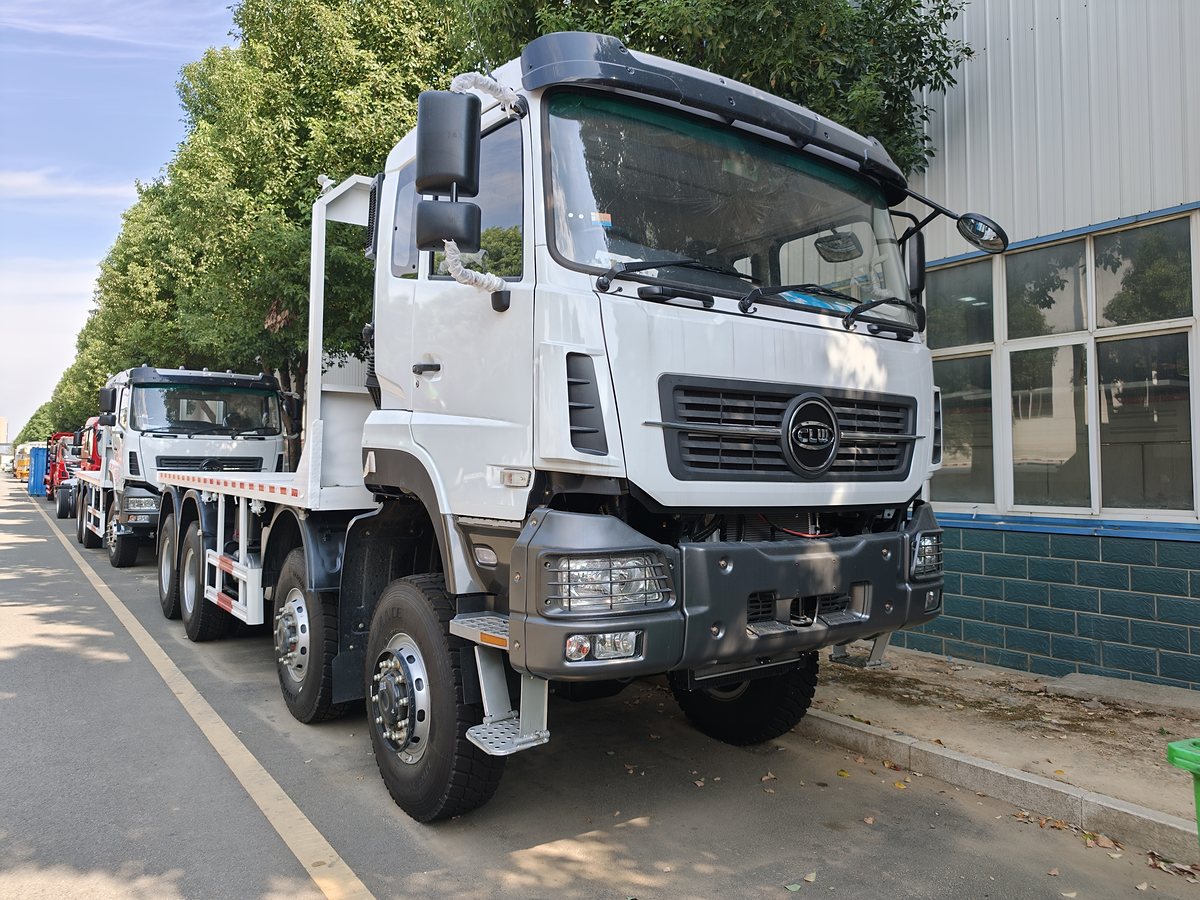
For special-vehicle exporters, the read-across is direct. A record public-works pipeline financed by private contractors is a demand signal for the working equipment those contractors buy: dump trucks for earthmoving, flatbed transporters for plant and materials, asphalt distributors and sprinkler trucks for road maintenance, and sewage and drainage units for the flood-prevention works the Express track is funding. Luis Del Carpio, ProInversión's executive director, attributed the result to public entities 'adeptly utilizing the new maximum annual capacity caps to commit to long-term investments' and to growing confidence among private companies. Peru's infrastructure gap has long been the binding constraint; in 2026 the financing mechanism stopped being the bottleneck.