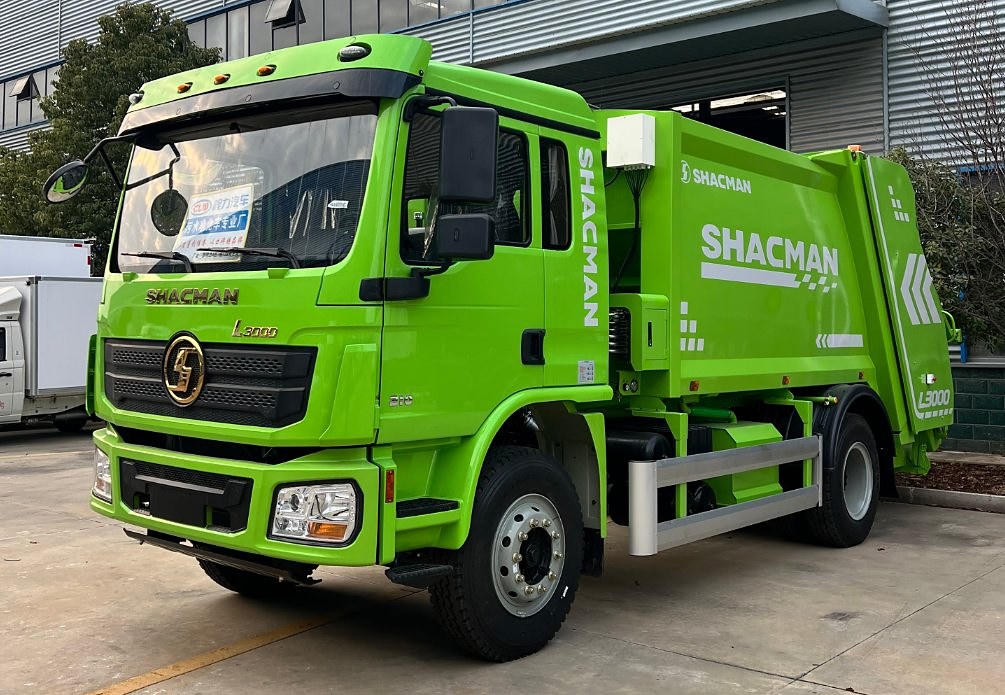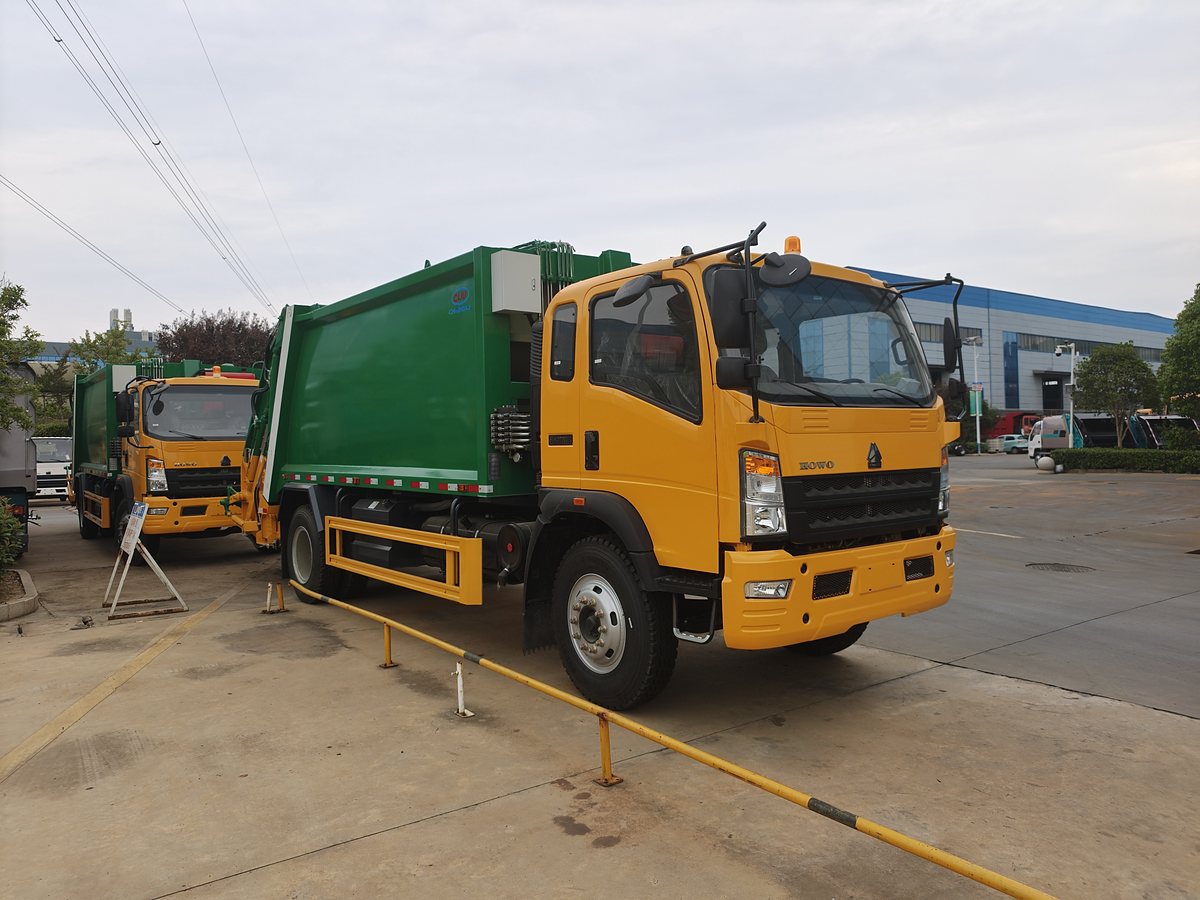
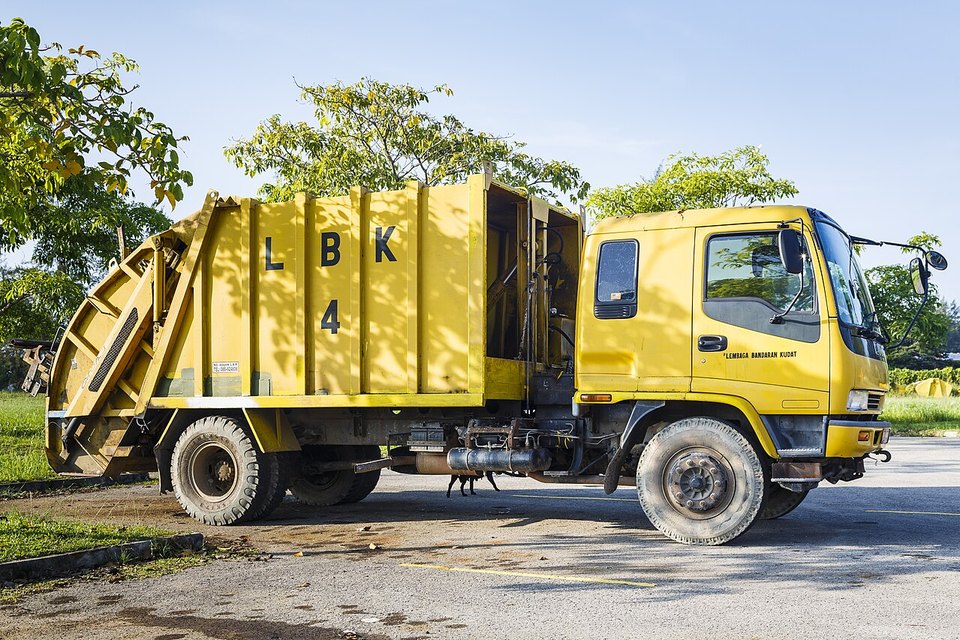
The handover took place at the Presidential Palace in Santo Domingo. Administrative Minister of the Presidency Andrés Bautista delivered the 50 compactor trucks to municipalities and municipal districts across the country, in a programme the Presidency describes as an effort to strengthen the operational capacity of local governments and improve the efficiency of solid-waste collection. The first distribution had benefited localities in 14 provinces; this second batch reaches municipalities and municipal districts in 18 additional provinces, among them Dajabón, Duarte, El Seibo, Espaillat, Puerto Plata, Samaná, San Pedro de Macorís, Santiago, La Altagracia, La Romana, La Vega, Monte Plata and San Cristóbal. With it, the number of compactors distributed under the programme stands at 100.
Bautista framed the programme in hygiene and civic terms: "This responds to the firm conviction held by the President and shared by all of us that garbage collection is fundamental to territorial hygiene and the beautification of our cities." But his message to the mayors and district directors receiving the keys was as much about upkeep as acquisition: he urged municipal authorities to enforce rigorous maintenance schedules to prolong vehicle life, and reminded them that with requests for hundreds more units still outstanding, "needs are infinite and resources are finite." The ceremony was attended by Roger Pujols, Vice Minister of Project Execution at the Ministry of the Presidency; Víctor D'Aza, president of the Dominican Municipal League; Nelson Núñez, president of the Dominican Federation of Municipalities (Fedomu); Leoncito José Sencilia, president of the Federation of Municipal Districts (Fedodim); and Fernando Durán, general administrator of the Agricultural Bank.
What the official release does not say is as instructive as what it does. No chassis brand, no body capacity, no supplier country and no financing line were disclosed — procurement details that matter to every exporter watching the file. What the release does reveal is the purchasing pattern: a national programme that equips municipal fleets in tranches of fifty, province by province, with demand explicitly far ahead of delivery. For suppliers of refuse compactor trucks, that structure matters more than any single order. Municipal buyers in the Caribbean do not buy a decade of vehicles at once; they buy 50 at a time as budgets clear, which means the market re-opens on a regular cycle, and every tranche delivered on time becomes the reference for the next one.
The minister's maintenance warning is the other half of the tender, and it maps directly onto how such trucks should be specified. Fleet duty in tropical municipal service is punishing: high ambient temperatures, dust, stop-start duty cycles, corrosive organic waste. The trucks that survive are the ones built around standardized components, hydraulic systems tolerant of heat and contamination, rear loaders matched to the 120-1,100-litre bin standards common across Latin American municipal contracts, and bodies with corrosion protection on the packer panel, tailgate and slider — plus Spanish-language documentation and a parts channel that does not depend on transatlantic freight for every seal and cylinder. A compactor that waits weeks for a hydraulic hose is a collection route lost, and ministers remember which trucks stood still.
For exporters of special vehicles, the Dominican Republic is worth reading as a template rather than an isolated order. It is a Spanish-speaking, left-hand-drive island market of around eleven million people where municipal equipment flows through national programmes and the Dominican Municipal League rather than through dozens of separate town tenders — a concentrated, repeatable channel. Deliveries move by RoRo or container shipping, which keeps landed-cost comparisons honest and favours suppliers who can quote CIF with realistic freight. And the model travels: neighbouring Caribbean and Central American municipalities face the same waste-collection deficits with the same phased budgets, so a proven, documented reference fleet in Santo Domingo is a sales asset across the region. The programme's arithmetic — 100 trucks distributed, hundreds requested, maintenance named as the condition — is precisely the gap a disciplined supplier with regional parts support is built to fill.