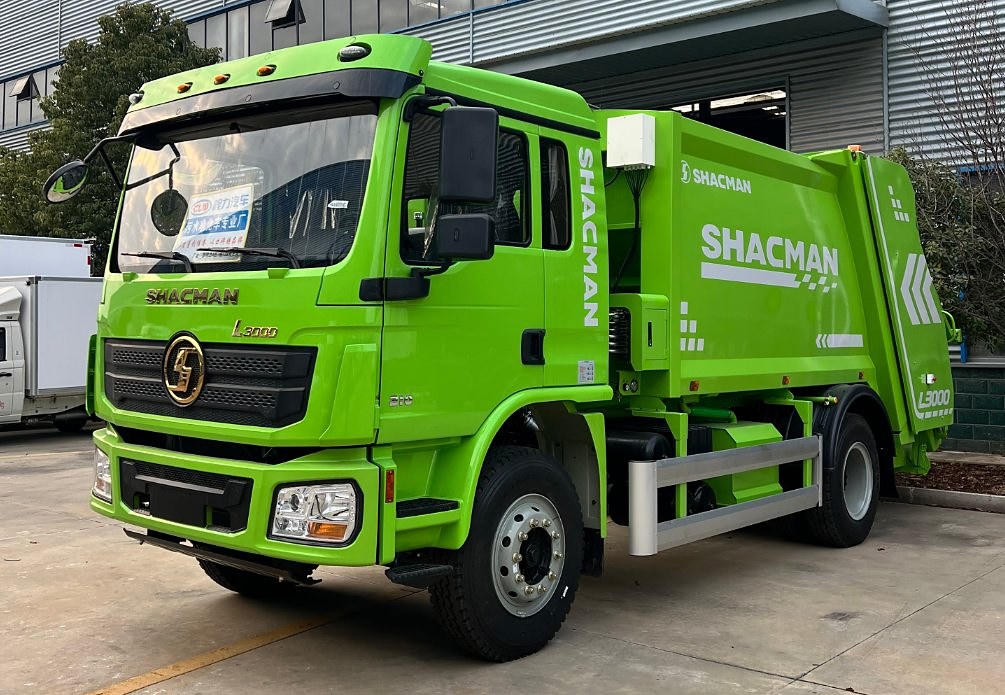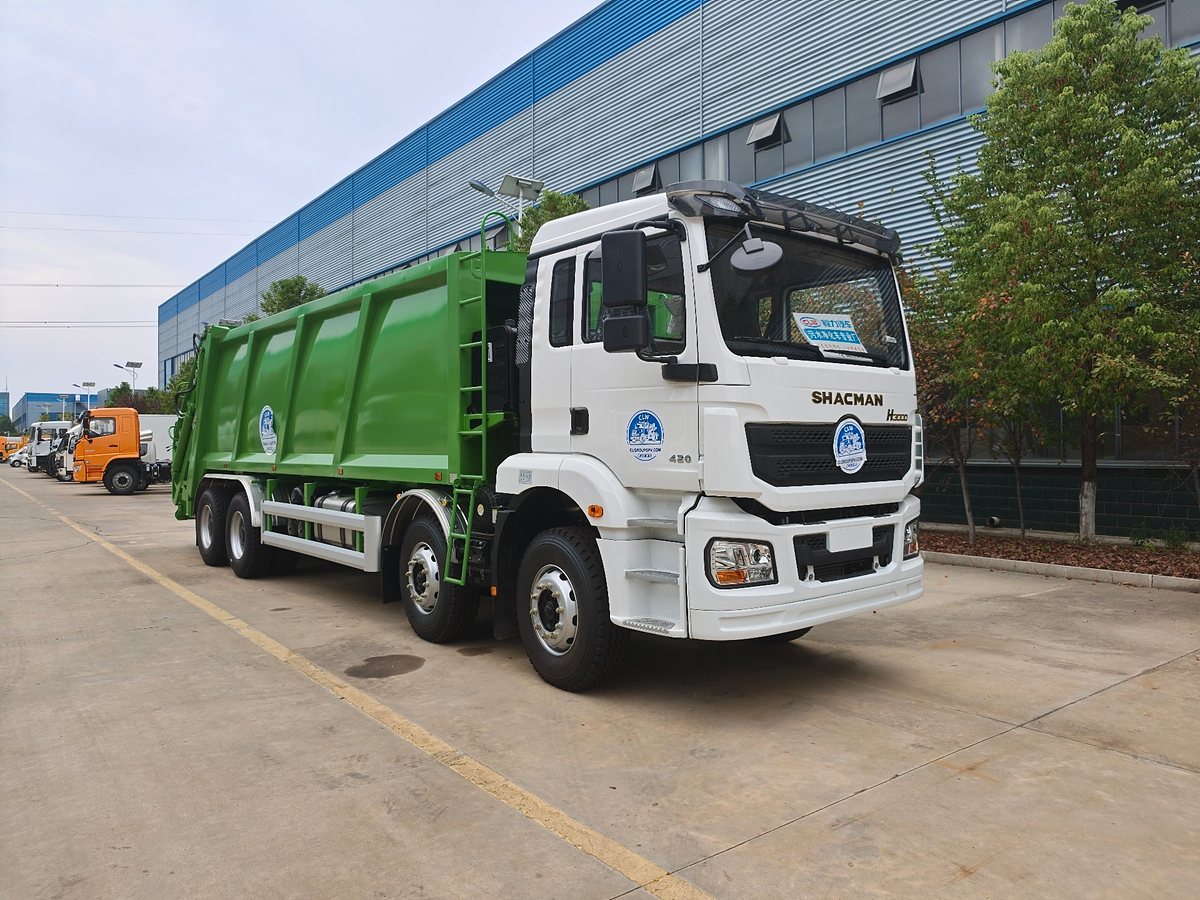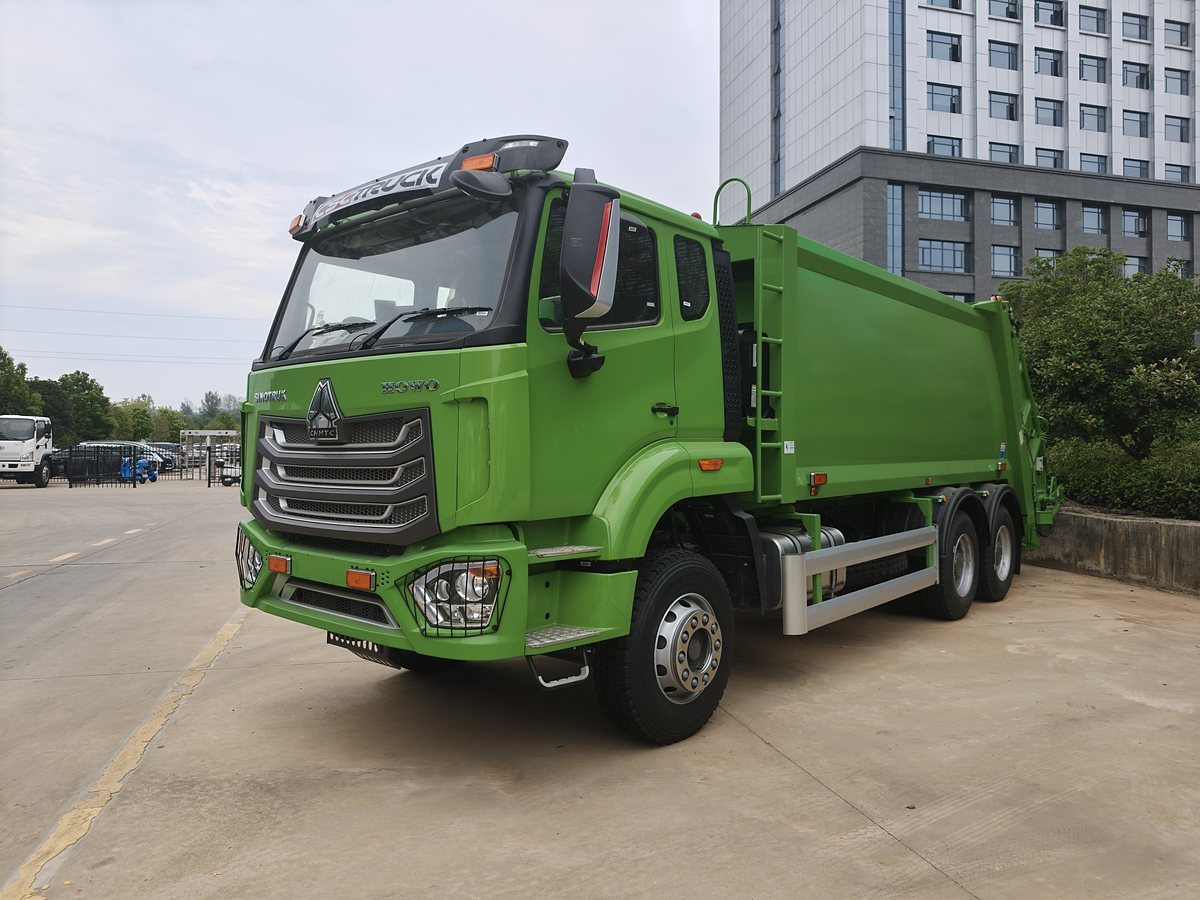
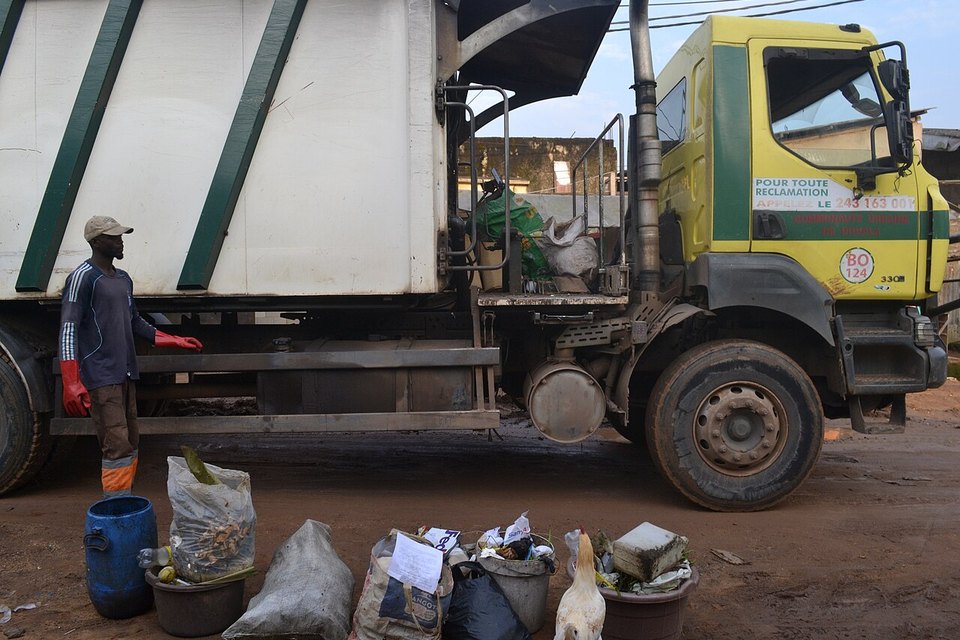
The update came from Garba Ahmadou, Hysacam's regional director for the Centre region, speaking in Yaoundé on 14 October 2026. More than 100 garbage trucks, he said, have been loaded for shipment to Cameroon under the 305-vehicle procurement programme, and Yaoundé should receive an initial batch of 30 trucks to reinforce the roughly 90 vehicles currently assigned to waste collection across the capital's districts. That makes the capital the first confirmed destination of the new wave, ahead of the country's economic capital Douala and the other cities covered by the order.
The timeline explains why the announcement reads as a progress report rather than a delivery note. On 7 August 2026, CEO Jean-Pierre Ymele said 120 trucks were already available and would be shipped to Cameroon for deployment in September, with 120 of the 305 vehicles on order earmarked for Douala. Two months later, the company's latest update concerns shipments rather than operational deployment: Hysacam has not specified how many of the new trucks have actually arrived or entered service. The procurement itself dates back to October 2025, when the operator announced plans to acquire 300 additional trucks from vehicle distributor CFAO for deployment across several Cameroonian cities — a purchase that followed an earlier programme to replace 80 vehicles, financed with CFA5 billion arranged through Afriland First Bank, which had already delivered ten trucks to Yaoundé in April 2025 and another eight to Douala that October.
The Chinese connection is the part exporters should read most closely. Huawin, a Chinese special vehicle manufacturer, has separately reported a contract with Hysacam for more than 300 specialized waste collection trucks. According to the company's website statement, an eleven-member Cameroonian delegation — senior management, technical departments and procurement services — travelled to China to examine the technical specifications of more than ten models, production schedules and after-sales services, and the negotiations resulted in a signed contract whose value was not disclosed. How Huawin's contract relates to the programme Hysacam initially announced with CFAO remains unclear. What is not unclear is the buying method: a municipal operator in Central Africa screened ten-plus models in person, on the production side, before signing — technical fit, build schedule and after-sales weighed together, in that order.
Financing is the quiet half of the story. Hysacam has not disclosed how the latest order is being paid for. Its precedent is instructive: in 2018, a banking consortium of Société Générale Cameroun, Ecobank and Bicec granted the company a CFA24.5 billion loan to acquire roughly 200 trucks and other equipment, with a CFA11.025 billion guarantee from Proparco — the French development agency's subsidiary — covering 45 per cent of the loan. Fleet money in the CFA zone, in other words, flows through bank-arranged, guarantee-wrapped structures rather than outright municipal cash. Suppliers quoting into such programmes should expect letter-of-credit discipline, bank references and financing structures that mature over the life of the fleet, not payment terms written like a retail invoice.
And the constraint that shadows all of it is municipal cash flow. In Yaoundé, Hysacam holds three contracts awarded by the city council in November 2024 worth a combined CFA45.76 billion including taxes over five years, covering household waste collection and transport plus the cleaning of streets, squares and markets. At the 14 October meeting, Garba Ahmadou estimated the capital needs about CFA15 billion a year to collect all the household waste it generates, while funding from the central government and the city council amounts to only CFA8 billion — an annual shortfall of CFA7 billion. "The main difficulty remains the payment of invoices, which has not kept pace with the services provided," Stanislas Joël Mvondo Ayissi, deputy director of environment and sustainable development at Yaoundé City Council, had told the newspaper Mutations in August 2026. The arithmetic matters to truck exporters for one reason: in markets like this, the trucks are the easy half of the deal, and uptime over the contract term is decided by whether the operator's receivables keep moving. A 305-unit pipeline with a Chinese manufacturer already inside the reference loop says the demand is real; the CFA7 billion gap says the winning suppliers will be the ones whose vehicles earn their keep, route after route, on schedules the maintenance budget can actually keep.