The instrument amends heading 87.04 of Zimbabwe's customs tariff, the line that covers goods vehicles. Its wording is narrow and deliberate: the zero rate applies to other goods vehicles exceeding five tonnes gross vehicle weight with only an electric motor for propulsion. Diesel and petrol trucks keep their existing duty, and so do hybrid drivetrains, because the text requires electric propulsion alone. The previous 25 per cent rate is gone entirely, not reduced.
The date matters as much as the rate. Because the notice is deemed to have come into effect on 2 March 2026, an importer who cleared a qualifying heavy electric truck at any point since then was charged a duty that no longer applies, and can move to recover it. In practice that turns a gazette published in mid-October into a retroactive price cut on equipment already delivered — an unusual step that signals how high the policy sits on the government's list.
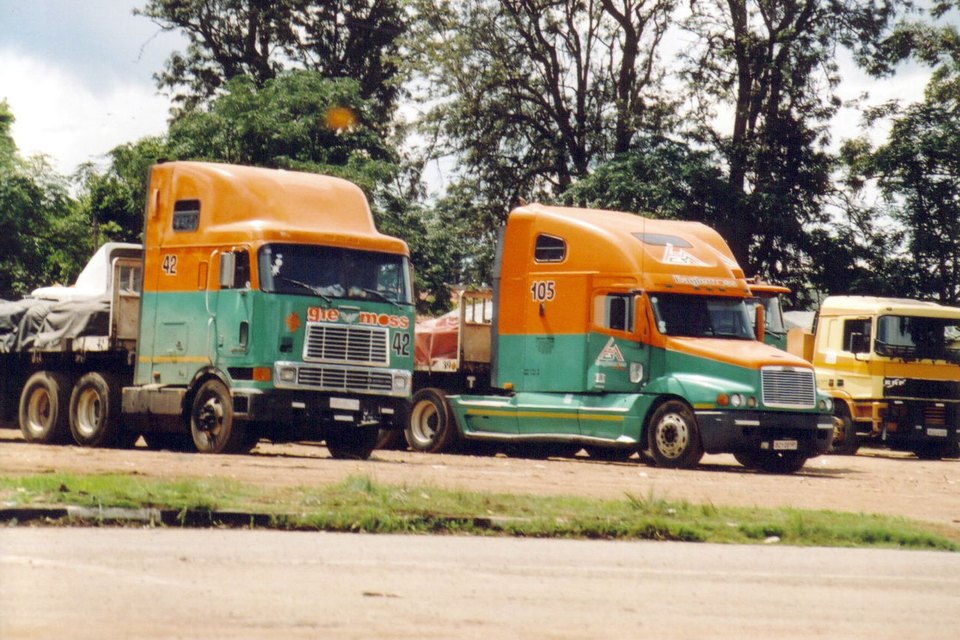
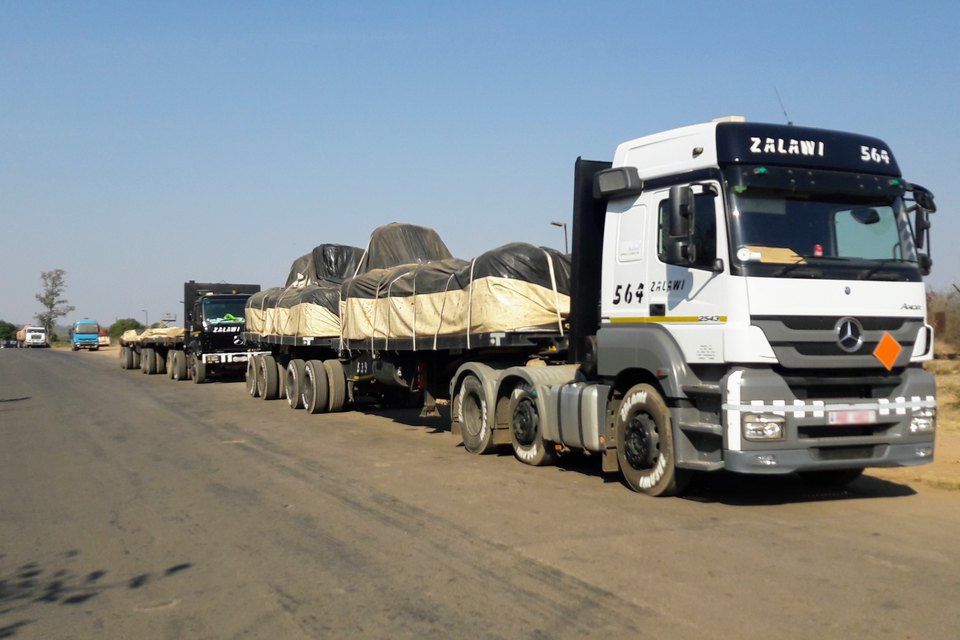
The rationale is fuel. Heavy trucks are the largest single consumers of diesel in any road freight system, and Zimbabwe imports essentially all of its liquid fuel, so every heavy vehicle converted to grid charging removes a recurring claim on foreign exchange. The five-tonne threshold is the tell: it excludes passenger cars, pickups and light vans and directs the relief at the segment that actually moves ore, aggregate, cement and agricultural produce. Local coverage of the notice frames the effect squarely around mining and construction haulage, where short, high-frequency duty cycles suit battery trucks far better than long-haul work does.
Two other instruments in the same gazette follow the same logic. Statutory Instrument 156 of 2026 split heading 88.06 so that unmanned aircraft sold for agricultural spraying carry 0 per cent duty instead of the 40 per cent applied to all drones, and Statutory Instrument 157 refreshed the list of 49 printing and packaging manufacturers allowed to import inputs with duty suspended. Read together, the package is not an electric-vehicle gesture but a broad cut in the landed cost of imported capital equipment for agriculture, logistics and manufacturing — the sectors named in the National Development Strategy 2 and in the Vision 2030 goal of upper-middle-income status.
The market context is already favourable to Chinese suppliers. At the China-Zimbabwe Commodity Expo and Job Fair in Harare, which ran from 9 to 11 October 2026, Xinhua reported strong visitor interest in heavy trucks from Shacman, Howo, Foton and Dongfeng, brands that have built a place in Zimbabwean commercial transport, mining, construction and long-haul freight. The same reporting is a reminder of where deals are actually won: buyers asked as much about maintenance intervals and spare-parts availability as about price, and one farmer cited a decade or more of service without an engine rebuild as the reason he stays with Chinese trucks. A duty exemption improves the entry price; it does not by itself answer the after-sales question.
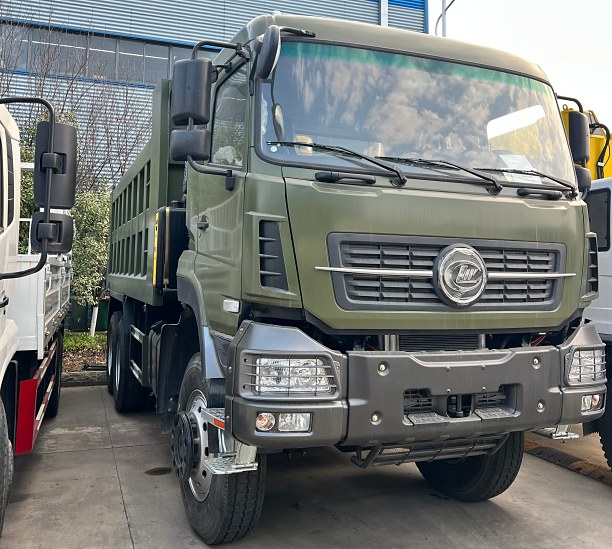
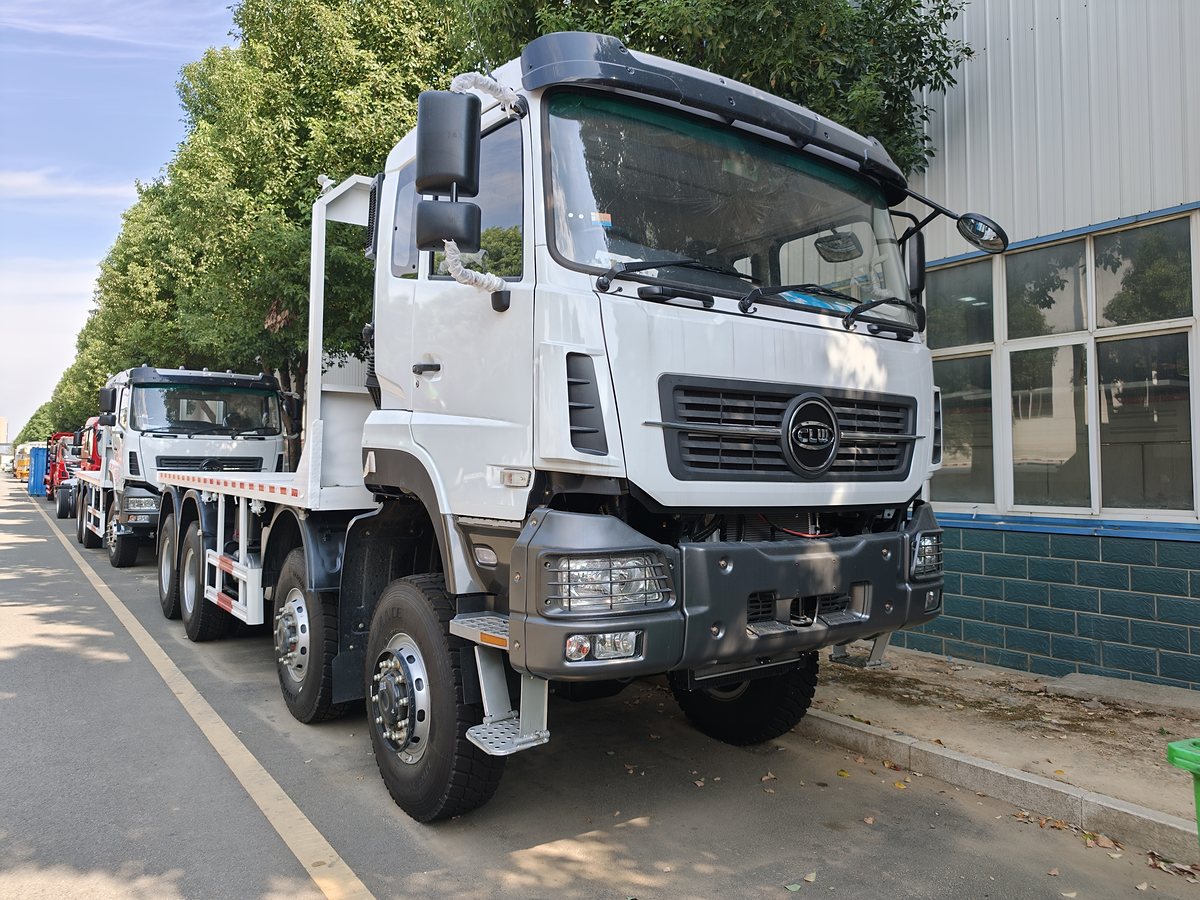
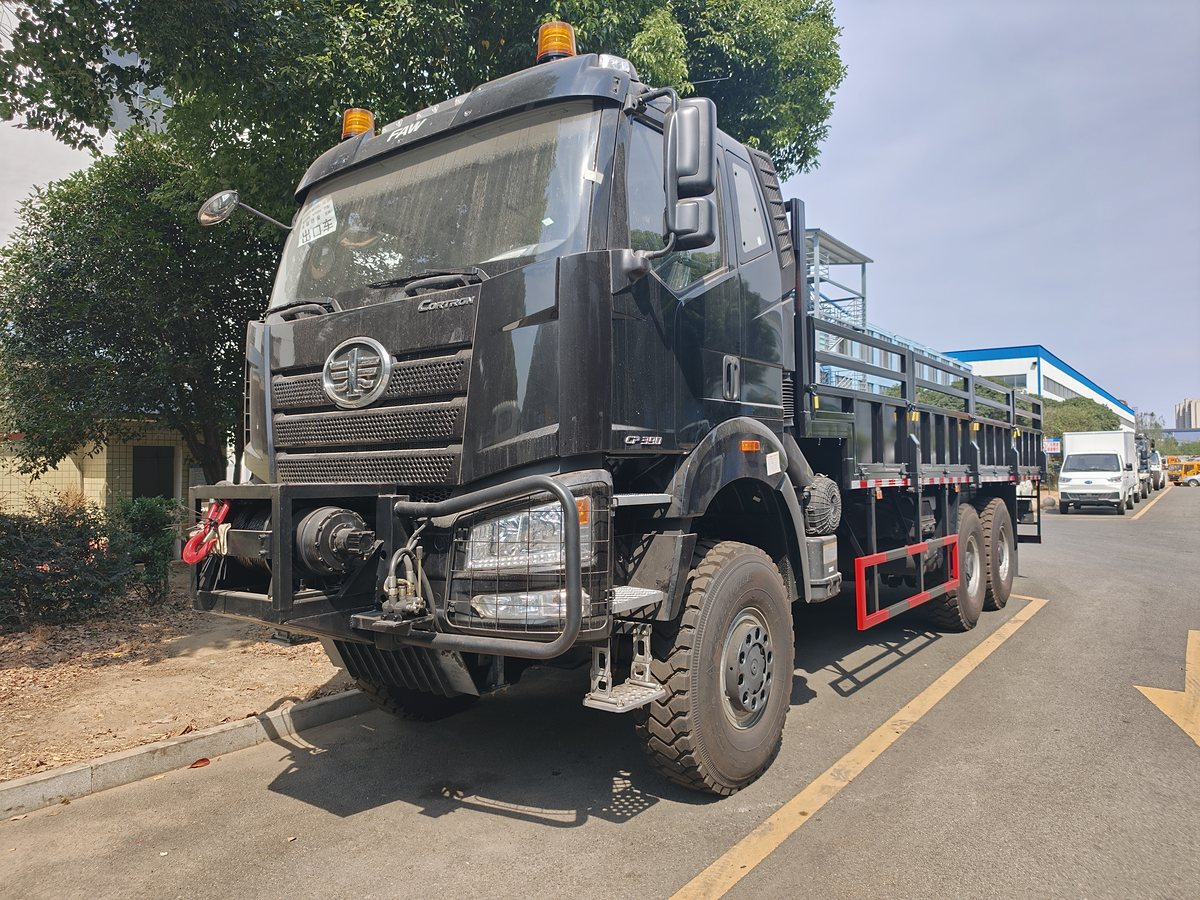
For exporters of trucks and special vehicles, three practical points follow. First, the relief is written around heading 87.04, so it attaches to the vehicle type in the tariff rather than to the body it carries; operators buying crane trucks, sweepers or other special-purpose units should confirm classification with a clearing agent before pricing a deal, because special-purpose vehicles are treated separately in most tariffs. Second, Zimbabwe drives on the left, so right-hand-drive chassis and RHD-specific dash, steering and lighting packages are a precondition rather than an option. Third, the segments that clear the five-tonne bar and run predictable daily routes — tippers, flatbeds, dropsides and municipal collection vehicles — are the natural first candidates for electrification, and they are exactly the chassis on which a special-vehicle body is mounted.