The procurement documents, examined by The Sunday Morning, were initiated by the Ministry of Finance, Planning and Economic Development through its Standing High-Level Procurement Committee under National Competitive Bidding procedure. The four tenders close between 20 and 22 October and require bid securities totalling Rs. 298 million for one bid under each tender, alongside turnover, credit-facility and previous-sales thresholds that applicants must meet to qualify.
The largest package covers 1,000 brand-new automatic-transmission four-wheel-drive diesel double cabs. Bidders must demonstrate an average annual turnover of at least Rs. 8 billion and access to financial resources of Rs. 5 billion, must have supplied and maintained at least 500 double cabs of the proposed make locally during the past ten years, and must operate at least ten service and repair centres, five of them owned and run by the bidder. This tender carries a Rs. 250 million bid security and a Rs. 500,000 document fee, with bids closing at 2 p.m. on 22 October.
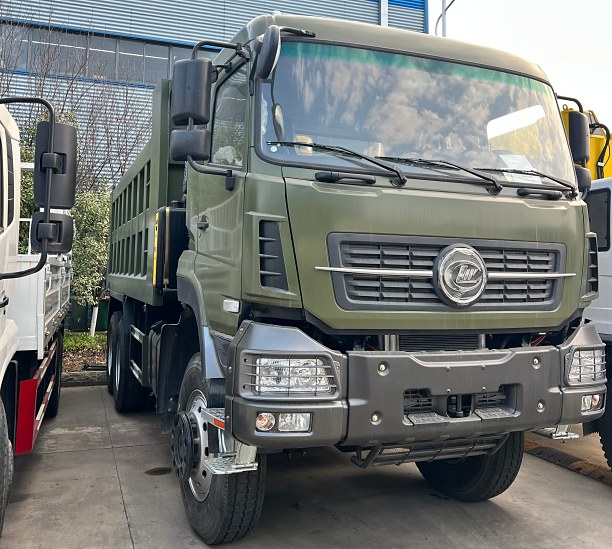
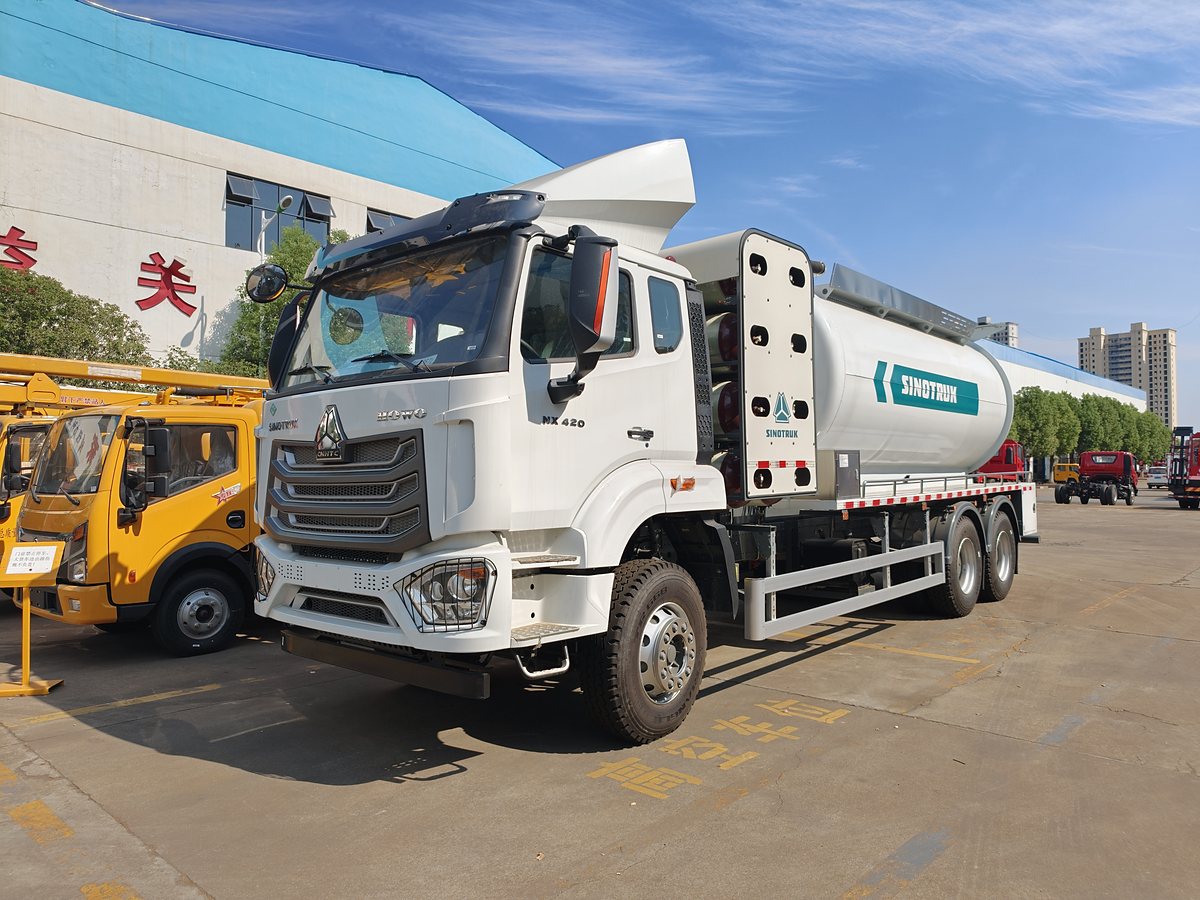
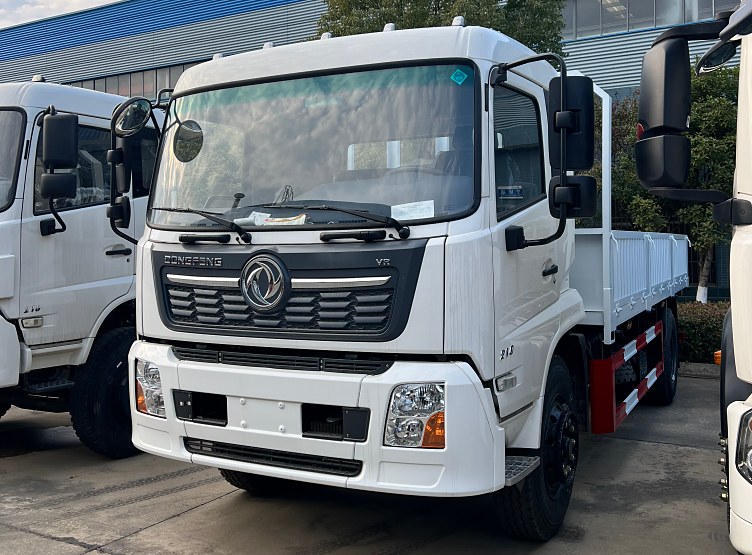
The three specialist packages are smaller but more prescriptive. The tractor tender seeks 175 brand-new two-wheel-drive units and requires at least 300 tractors of the proposed make supplied and maintained locally over the past decade, a minimum of 25 islandwide service and repair centres, Rs. 500 million in average annual turnover and a Rs. 300 million credit facility, with a Rs. 7 million bid security and an 11 a.m. closing on 21 October. The tipper tender covers 160 brand-new units and demands Rs. 1.5 billion in average annual turnover, a Rs. 1 billion bank credit facility, at least 300 tippers of the make maintained locally over ten years and ten islandwide service centres, with a Rs. 25 million bid security and a 2 p.m. closing on 21 October. The gully-emptying tender seeks 100 brand-new 4,000-litre units, requiring Rs. 1.2 billion in turnover, a Rs. 400 million credit facility and at least 50 chassis cabs of the proposed make — including five brand-new gully emptiers — supplied during the previous decade, with a Rs. 16 million bid security.
The channel structure is the part most relevant to overseas manufacturers: all four tenders restrict participation to authorised local agents nominated by the respective manufacturers, with foreign bidders expressly excluded. In practice this means international brands can reach this fleet only through the dealer and service networks they have already appointed in Sri Lanka, and the ten-year track-record and service-centre thresholds decide which makes are eligible at all. A manufacturer without a documented local service footprint is locked out of the bidding regardless of price.
The demand signal is the scale and composition of the package. 1,435 units in a single procurement cycle is a full fleet-renewal wave for government operations, and the split matters for special-vehicle suppliers: 160 tippers and 100 gully emptiers are working vehicles bought for construction and municipal sanitation duty, where payload, body specification, parts availability and service coverage decide the award. The double-cab line dominates the headline number, but the tippers and gully emptiers are the line items where specification and after-sales support carry the most weight.