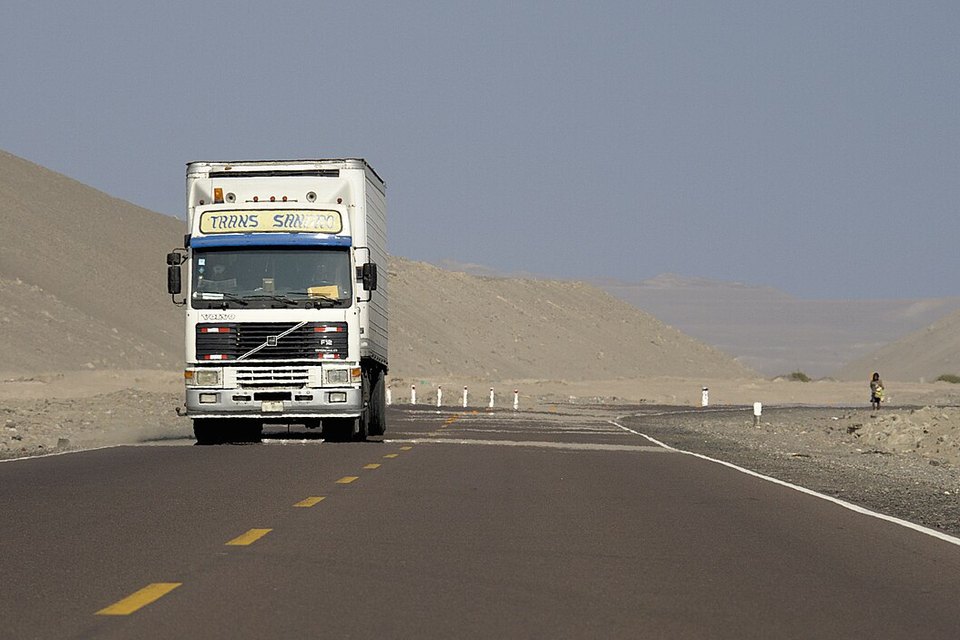
The meeting was confirmed in a ministry readout reported by Peruvian logistics media on 19 October. Transport and Communications Minister José Angello Tangherlini received representatives of the Unión de Transportistas Dueños de Camiones del Perú — the union of truck owners — to coordinate measures for keeping cargo services running. The agenda covered financing for subsidies that partially offset rising diesel prices, a joint working group with the Ministry of Energy and Mines on fuel costs, the promotion of vehicular natural gas (CNG) and LNG, an extension of the transport regulator Sutran's sanction-regularization window, and safety and service conditions at Callao's port terminals. The item with the longest tail for fleet owners was the proposed pilot vehicle-renewal programme, framed as a combination of public-sector incentives, purchase bonuses and scrapping mechanisms.
The pressure behind it is arithmetic. Emergency Decree 007-2026 set aside up to S/105 million (about US$30.5 million) to cushion fuel costs for bus and freight operators, paying S/4 (about US$1.16) per gallon of diesel to formal carriers that meet vehicle and tax-registration requirements. The third and final claim window runs from 16 October to 15 November, and the government has not announced what happens after that date. Pump diesel averaged S/26.19 (about US$7.61) a gallon in early October, and Peru's central bank real price index put diesel up 51.7% year on year in September.
Peru imports roughly half of the fuel it consumes, so world oil prices pass straight through: Brent traded above US$105 a barrel on 8 October, and Petroperú's wholesale diesel price at its Callao plant stood 83% above its level a year earlier. For hauliers running fixed-rate contracts, that squeeze lands directly on the replacement budget — fleets either defer purchases or hunt for chassis that burn less per kilometre. A scrappage-plus-bonus design is precisely the instrument used to interrupt that deferral cycle, pulling renewal decisions forward instead of letting high fuel prices postpone them.
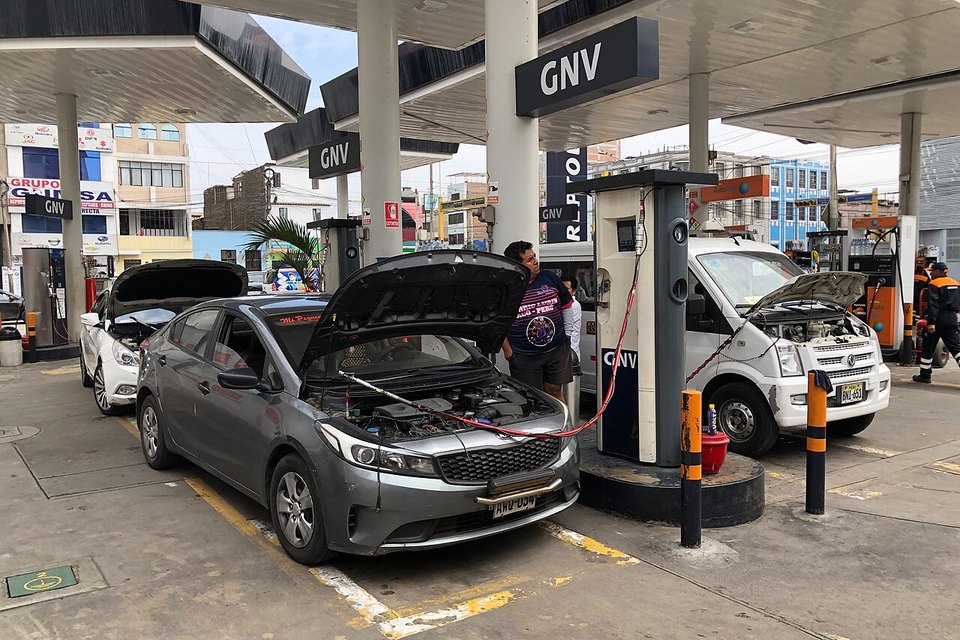
The gas half of the agenda is already on the ground. On 16 October, energy company Solgas and transport group Transpesa commissioned Peru's first LNG fuelling station dedicated to heavy trucks at Transpesa's operating base in Trujillo, in the La Libertad region — a roughly US$2 million facility with a 60-cubic-metre LNG tank serving more than 100 trucks, lifting daily fuelling capacity from 70 to 200 vehicles. Around half of Transpesa's fleet already runs on LNG and the group targets 60% by the end of 2026, while Solgas plans 14 LNG stations along Peru's main freight corridors, 12 of them open to public vehicles. The country's LNG heavy-truck fleet is estimated at more than 500 units, concentrated on logistics and mining corridors.
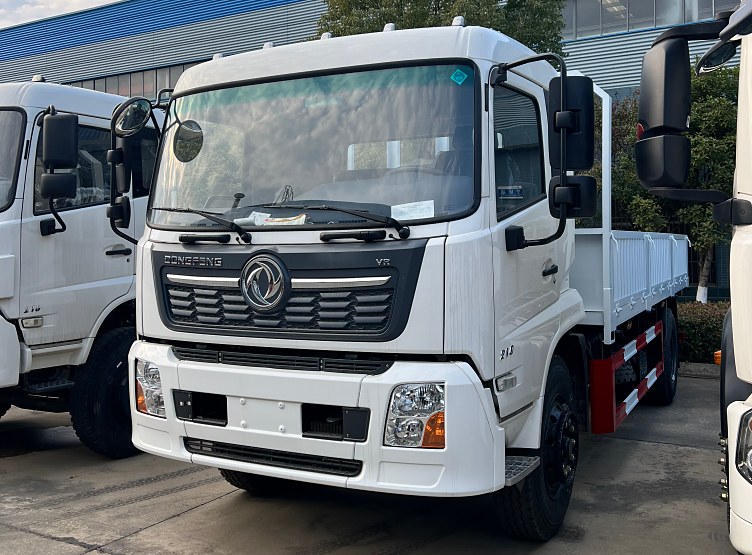
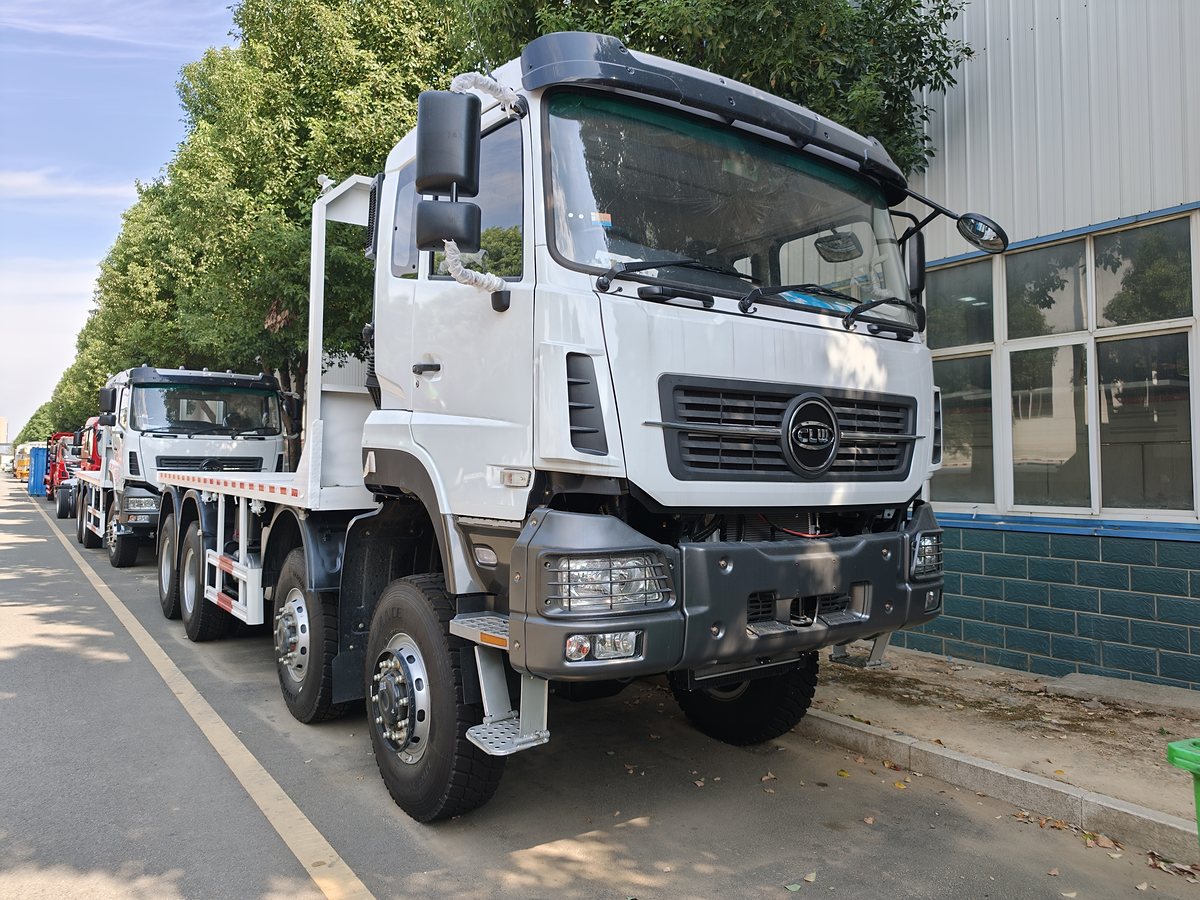
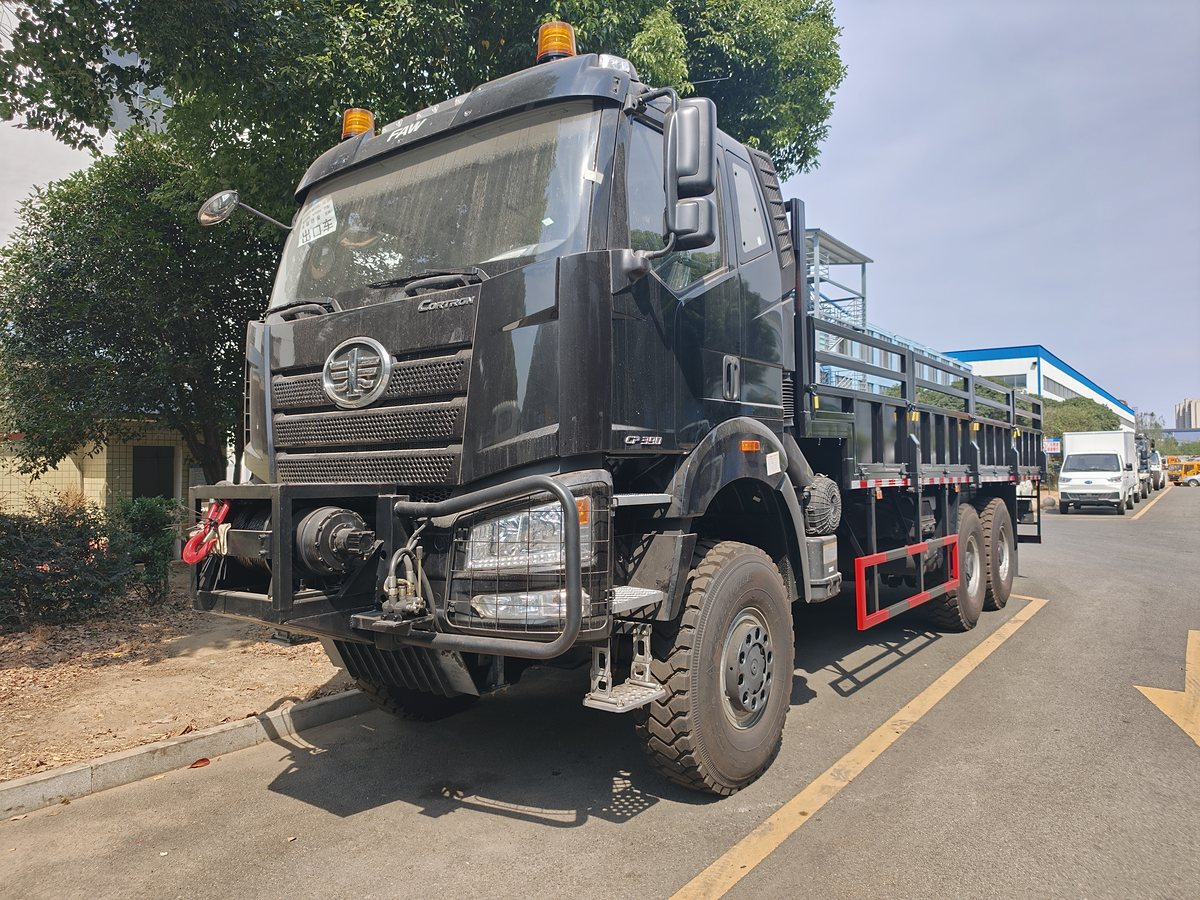
For vehicle suppliers, the pilot's fine print will decide who benefits. Scrappage and bonus schemes reward buyers who can document duty cycles: CNG fits depot-based and short-haul work with fixed refuelling points, while LNG needs corridor density before long-haul fleets commit, and both trade some payload or tank space for fuel savings. That shifts the conversation from sticker price to total cost of ownership — chassis specification, tank mounting, parts availability and service response become the deciding variables. Chengli's cargo range of dropside and flatbed trucks is specified around exactly this kind of route-and-load discussion, and the Peruvian pilot is a reminder that the specification conversation now starts with the fuel plan, not ends with it.