Bulgaria's national news agency BTA reported on 26 October that at the seventh Sofia Economic Forum, organised by the Delphi Economic Forum, Transport and Communications Minister Georgi Peev set out a policy of positioning Bulgaria as a gateway between Europe, the Western Balkans and the Black Sea region, providing efficient connections for global transport flows to and from Asia. His starting point was a structural gap: the country's transport infrastructure was built mainly along an east–west axis, while the links running from the Danube river through the interior to the Aegean Sea remain substantially constrained. The remedy, he said, is joint north–south projects with Greece and Romania along three axes — western, central and eastern — connecting border crossings, industrial centres, logistics hubs and ports.
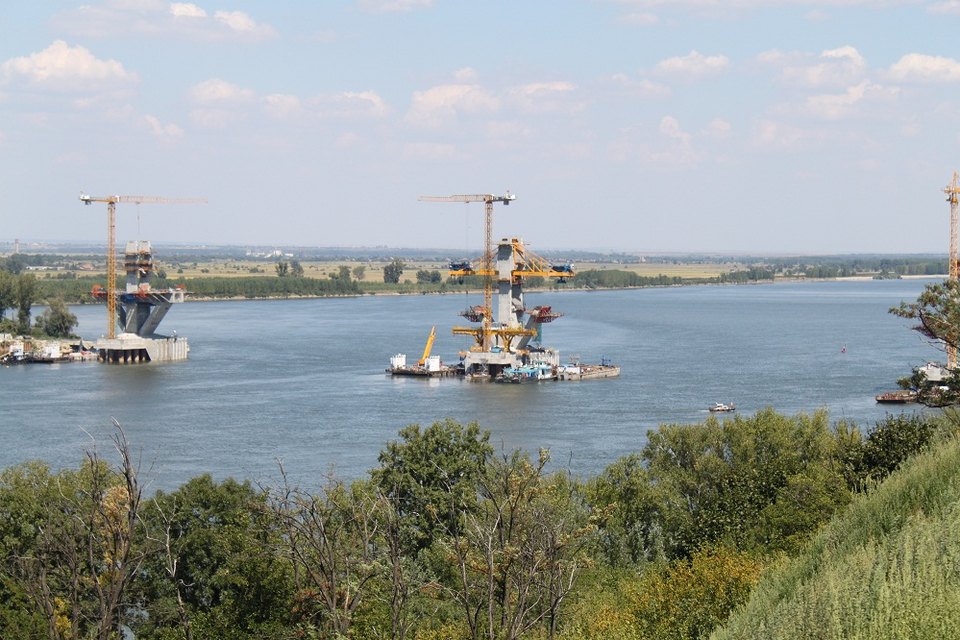
The flagship of that cooperation is the Black Sea–Aegean Sea Corridor Platform. A memorandum of understanding was signed in 2025, and in September 2026 the three governments signed its implementation action plan in Brussels under the auspices of European Commissioner Apostolos Tzitzikostas. The plan covers 25 priority cross-border projects with a combined value of around EUR 22.8 billion. The priorities Peev named: modernising rail links between the three countries, improving connections to the ports of Varna, Burgas and Ruse, building new bridges over the Danube, and expanding the capacity of existing road and rail infrastructure. The bridge bottleneck is not an abstraction — Peev noted that a 300-kilometre stretch of the Danube in the region is served by only two bridges, while capacity limits on key road and rail sections and the crossings over the Balkan Mountains remain among the main obstacles. He also framed connectivity as geopolitical, pointing to dual-use infrastructure that serves both civilian and military mobility.
Money, not maps, is the binding constraint — and the minister was explicit that financial constraints make transport infrastructure development the hardest part of the programme. Bulgaria's response works on two tracks: mobilising private capital through public-private partnerships, and changing how projects are managed. Peev described the shift as moving from fragmented lists of ideas to a coordinated framework for planning and developing strategic projects, with a specialised unit to be established under the Prime Minister and each project assessed against rigorous economic criteria and its actual level of readiness. For suppliers that has a specific meaning: projects screened for bankability and readiness are the ones that reach tender with funding attached, and PPP structures put private concessionaires and project companies on the buyer side of equipment purchases.
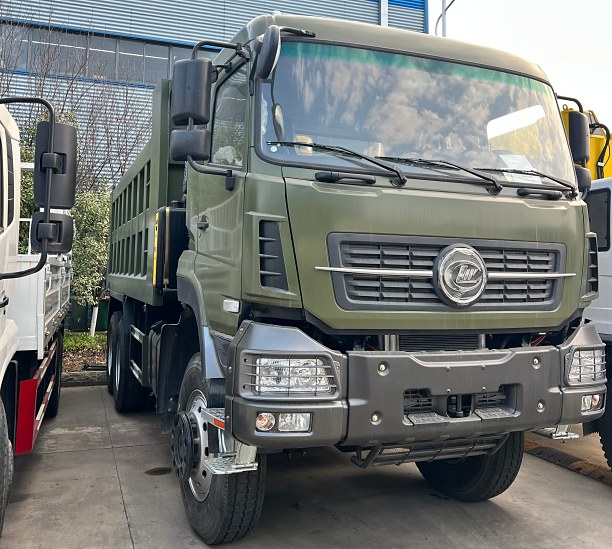
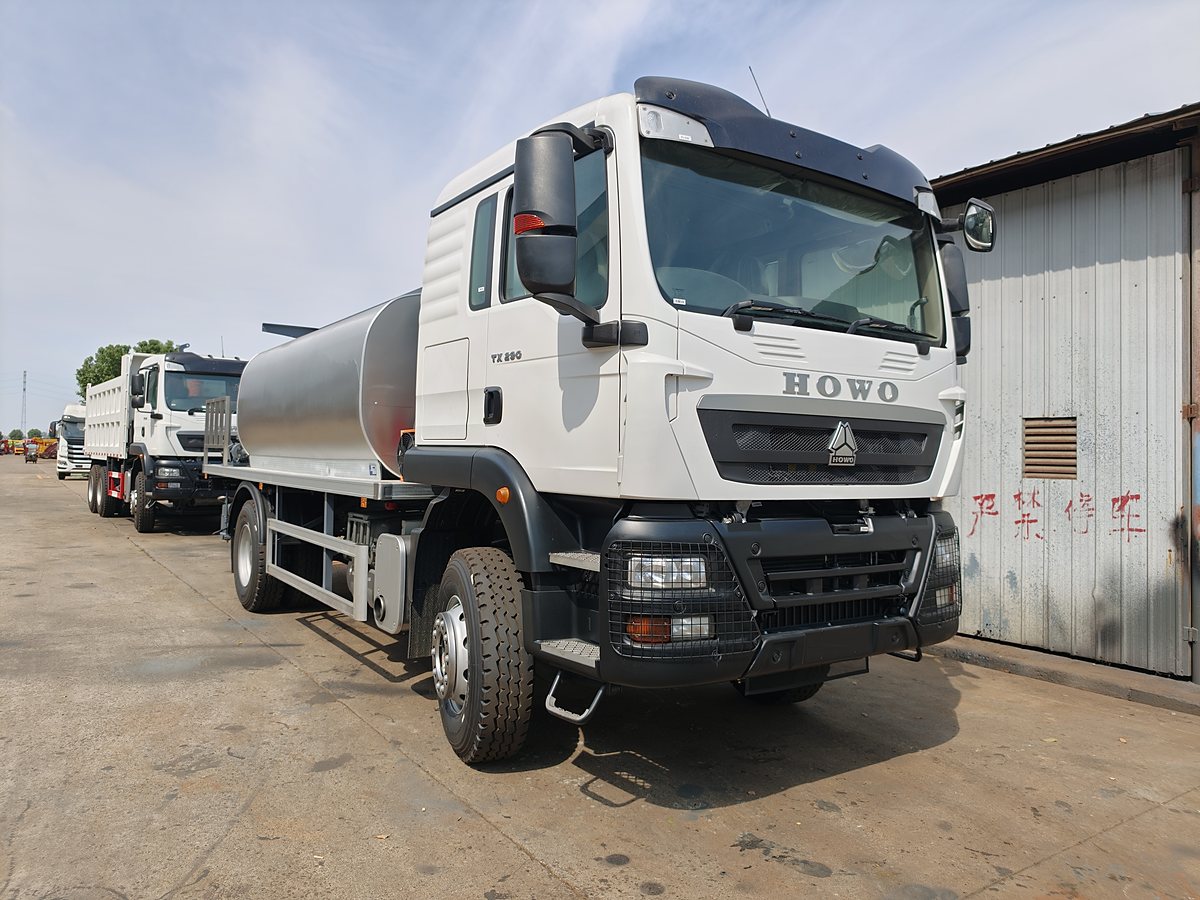
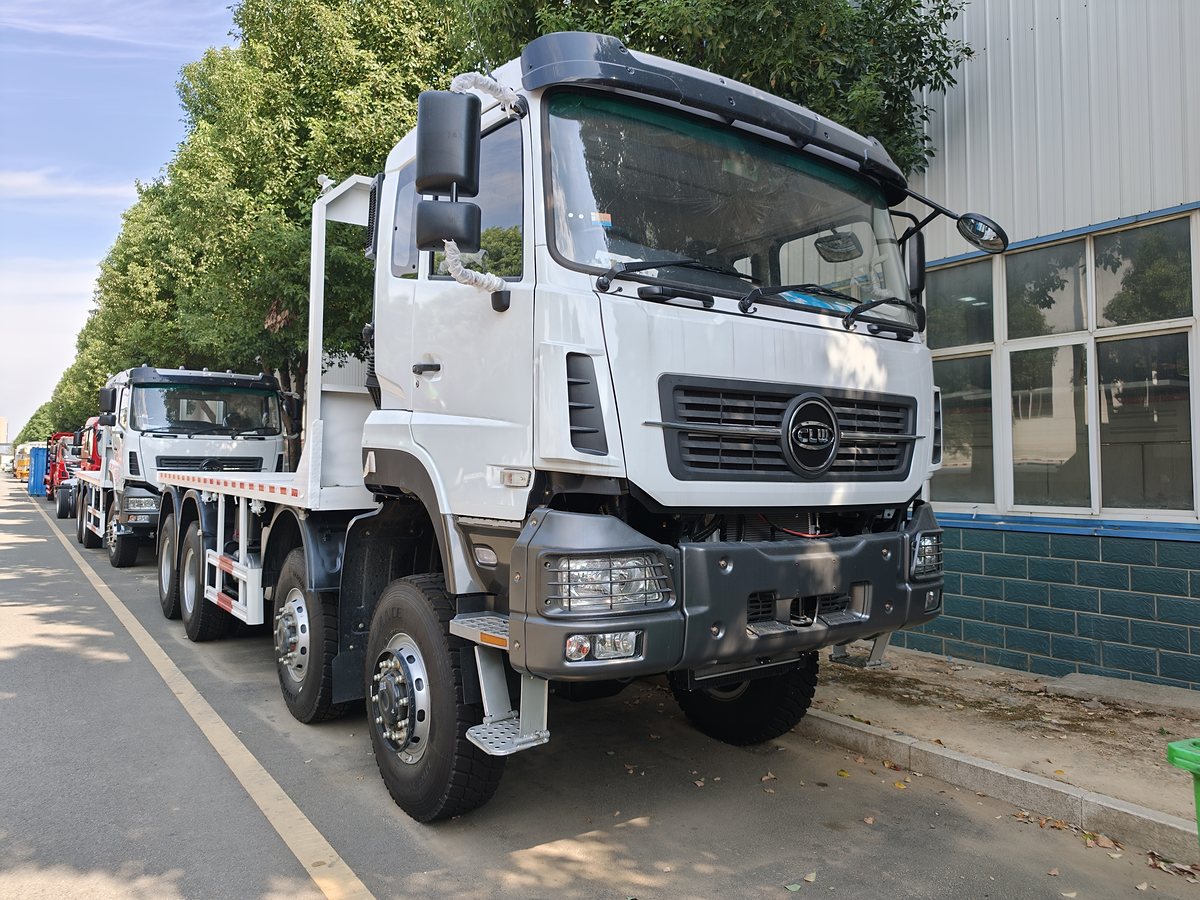
What does a 25-project corridor programme actually buy? The contractor fleet for road and bridge works is broadly standard across markets: tipper and dump trucks hauling earth and aggregates, flatbed and low-bed units moving excavators and pavers between work fronts, water tankers for dust suppression and compaction, truck-mounted cranes for girder and plant handling, and asphalt distributors and maintenance units for surfacing. Bridge and port-access projects spread their work fronts over years — substructure, superstructure, approach roads, surfacing — which makes equipment demand recurring rather than one-off, and keeps local rental and subcontract fleets in the market even when the main contractor brings its own core fleet.
Bulgaria has been an EU member since 2007 and applies EU type-approval, so new heavy trucks sold there must meet Euro VI emission standards — a compliance bar any supplier to the corridor programme has to plan around. The buyer landscape is two-sided: state agencies and EU-funded project promoters on one side, and, increasingly, private PPP concessionaires on the other — the latter buying on total cost of ownership, financing terms and service coverage rather than unit price. And the corridor logic extends beyond Bulgaria: the same plan ties Varna and Burgas to Ruse and onward to the Greek ports, so an equipment supplier able to support fleets across Romania, Bulgaria and Greece from one service footprint is positioned for the whole corridor, not a single tender.