
The facility is intended to close a gap that Rwanda's growing agriculture and food-processing sectors keep running into. According to the Africa Go Green Fund, existing cold-storage and refrigerated transport capacity in the country remains limited, which contributes to post-harvest losses and reduces the shelf life and marketability of perishable goods. Cold Solutions Rwanda was founded in 2025 and already operates a temperature-controlled packhouse in the Kigali Prime Economic Zone, including an avocado processing line that helps Rwanda-based growers meet the quality and shelf-life standards of export markets.
The new building will combine cold storage with packhouse, handling and refrigerated logistics services on one site, so that produce moves from the farm gate to distribution through a single operator rather than a chain of separate handlers. The financing was reported by WeeTracker on 5 October 2026 and by Africa Private Equity News on 30 September 2026.
Suki Muia, investment director at ARCH, called the financial close “a key moment for Cold Solutions Rwanda and a historic milestone for cold-chain infrastructure in the country”. Laurène Aigrain, managing director of the Africa Go Green Fund, said Rwanda “has established itself as a regional leader in agricultural transformation and value-added food processing, yet the availability of modern cold-chain infrastructure has not kept pace with growing demand”. The fund's flagship facility in Tatu City, Kenya, has already validated the same integrated cold-chain model that the Kigali project will follow.
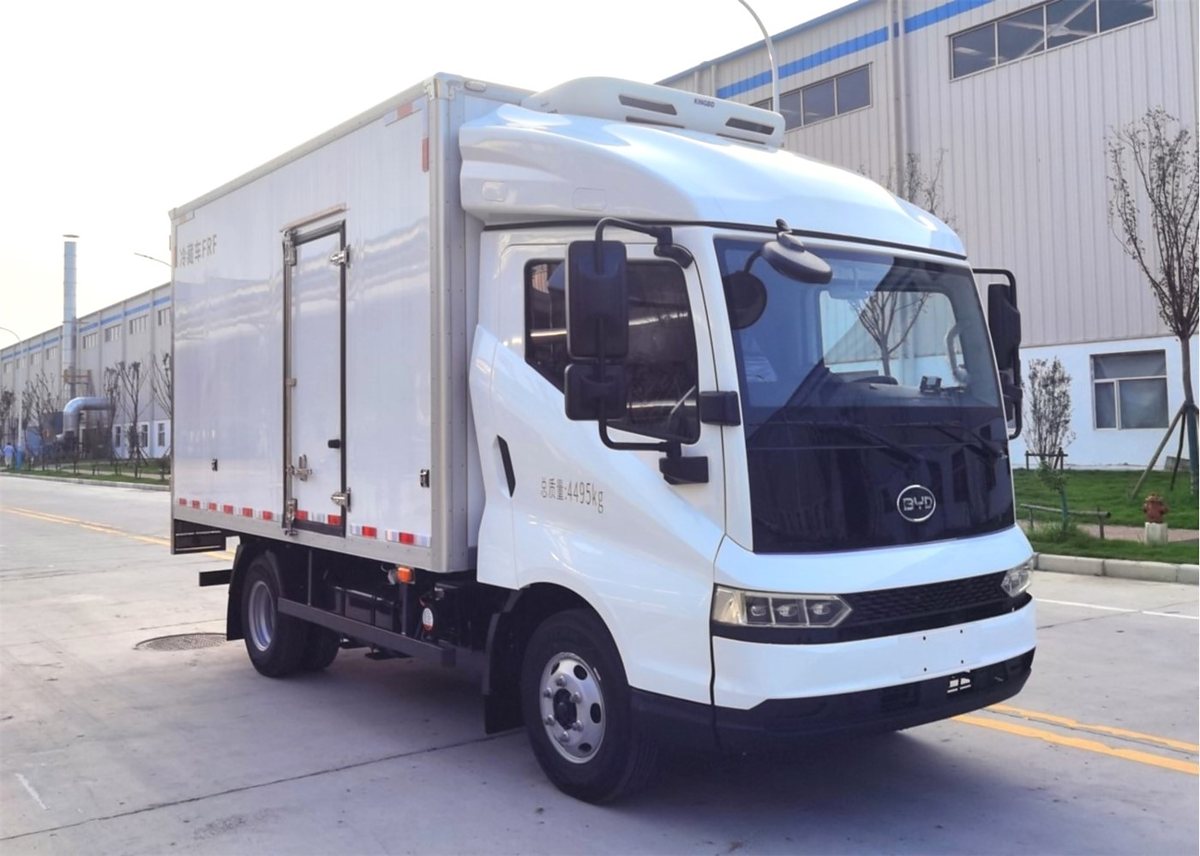
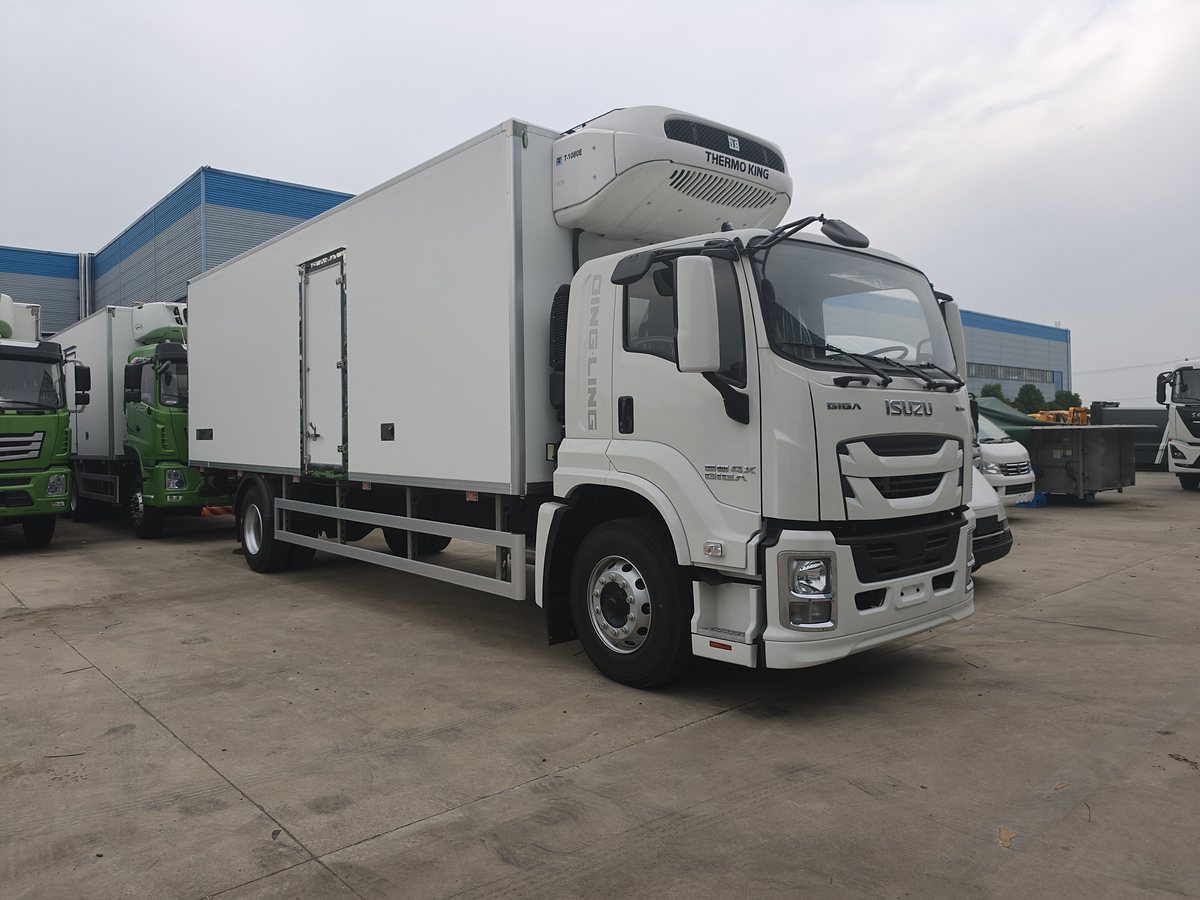
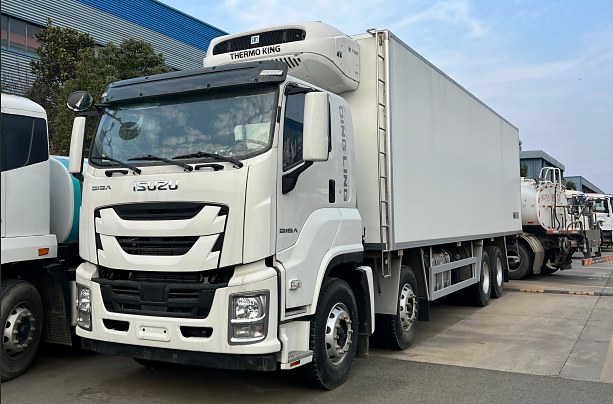
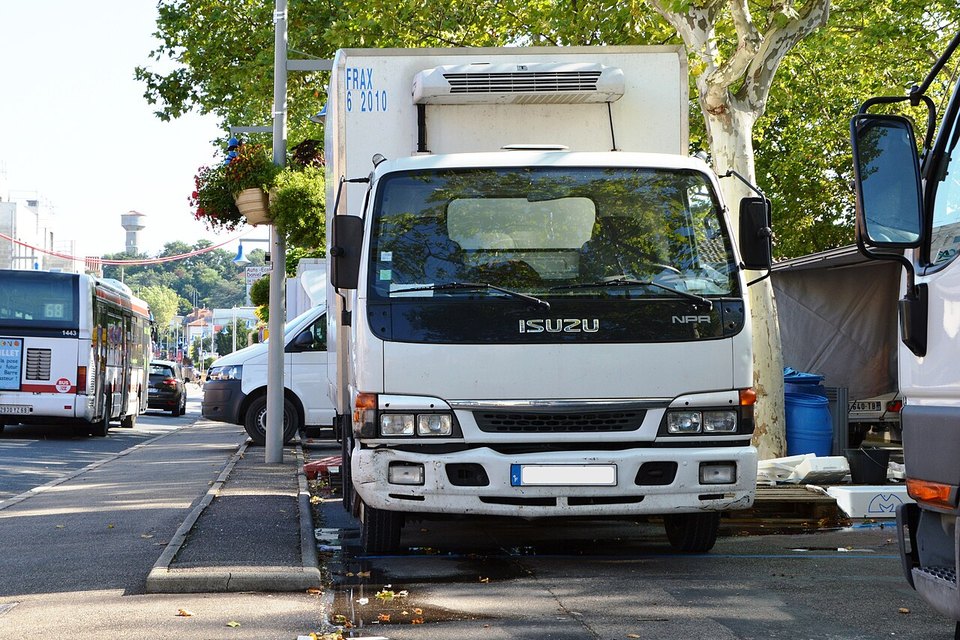
Storage is only half of that model. Once a 4,000-pallet facility starts moving avocado, dairy, chilled and frozen produce between packhouses, the new warehouse and regional markets, the binding constraint shifts to the refrigerated fleet that carries the cargo — the last and most failure-prone leg of the chain. For distributors and fleet operators tracking East Africa's cold-chain buildout, vehicle specification and availability will matter as much as warehouse capacity.