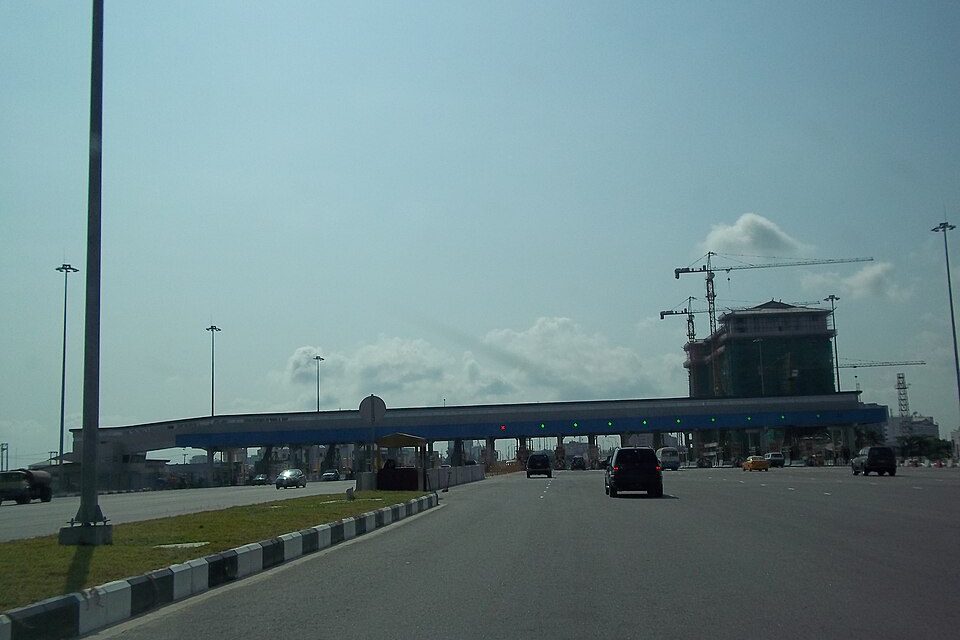
The Lagos-Calabar Coastal Highway is Nigeria's flagship road programme: roughly 750 kilometres of new highway running from Victoria Island in Lagos to Calabar in Cross River State, threading through Ogun, Ondo, Delta, Bayelsa, Rivers and Akwa Ibom along the country's southern coastline. Built largely on reinforced concrete pavement, it is designed to link ports, energy facilities and industrial corridors that currently depend on congested single routes.
The section that has just been completed is also the most consequential. Section 1 covers 47.47 kilometres from Ahmadu Bello Way in Lagos down to Lekki Deep Sea Port. The Federal Executive Council approved the contract for this section at 1.067 trillion naira, and the pavement is being laid as concrete roughly 11 inches thick with 20-millimetre reinforcement - a heavier specification than the asphalt standard on most Nigerian federal highways, chosen for the corridor's freight loads and coastal ground conditions.
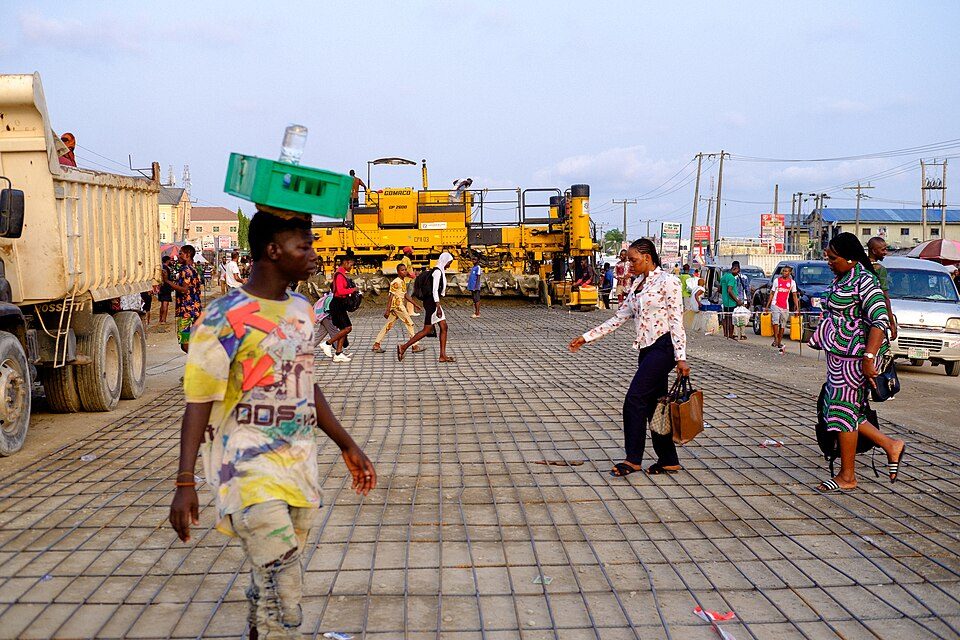
Progress beyond Section 1 is real but uneven. The Ministry of Works reported on 7 October 2026 that the 47-kilometre first section had been completed and that substantial progress had been made on the approximately 55-kilometre section that follows, with work continuing across Ogun, Akwa Ibom and Cross River. Construction so far includes bridges, drainage systems and other supporting structures - the categories of work that consume the largest volumes of specialized equipment relative to plain roadbed.
The route itself is still being engineered. On 12 October 2026, Minister of Works David Umahi announced that Sections 4A and 4B, originally expected to run along the coastline of Ogun and Ondo States, would be redirected inland through Edo State to connect with the existing East-West Road. The stated reason is ground condition: deep peat soils, swampy stretches and flood-prone lowland along the Ondo coast would require extensive bridging, dredging and embankment works on a fresh alignment. President Bola Tinubu directed the change to cut cost and delivery time.
The clarification that followed matters as much as the reroute itself. Officials confirmed that the proposed reconstruction of about 400 kilometres of the East-West Road, from Edo State toward Cross River, is an additional project running alongside the coastal highway - not a cancellation of the original alignment. Parts of the East-West corridor are to be raised by roughly two metres to manage flooding, which adds significant earthworks and drainage volume to the combined programme.
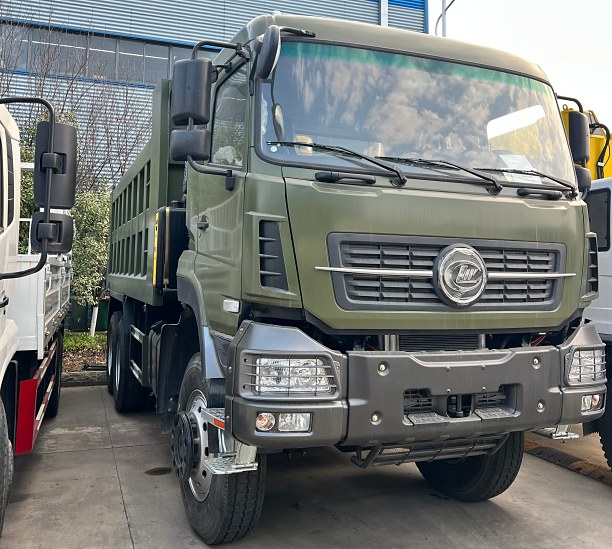
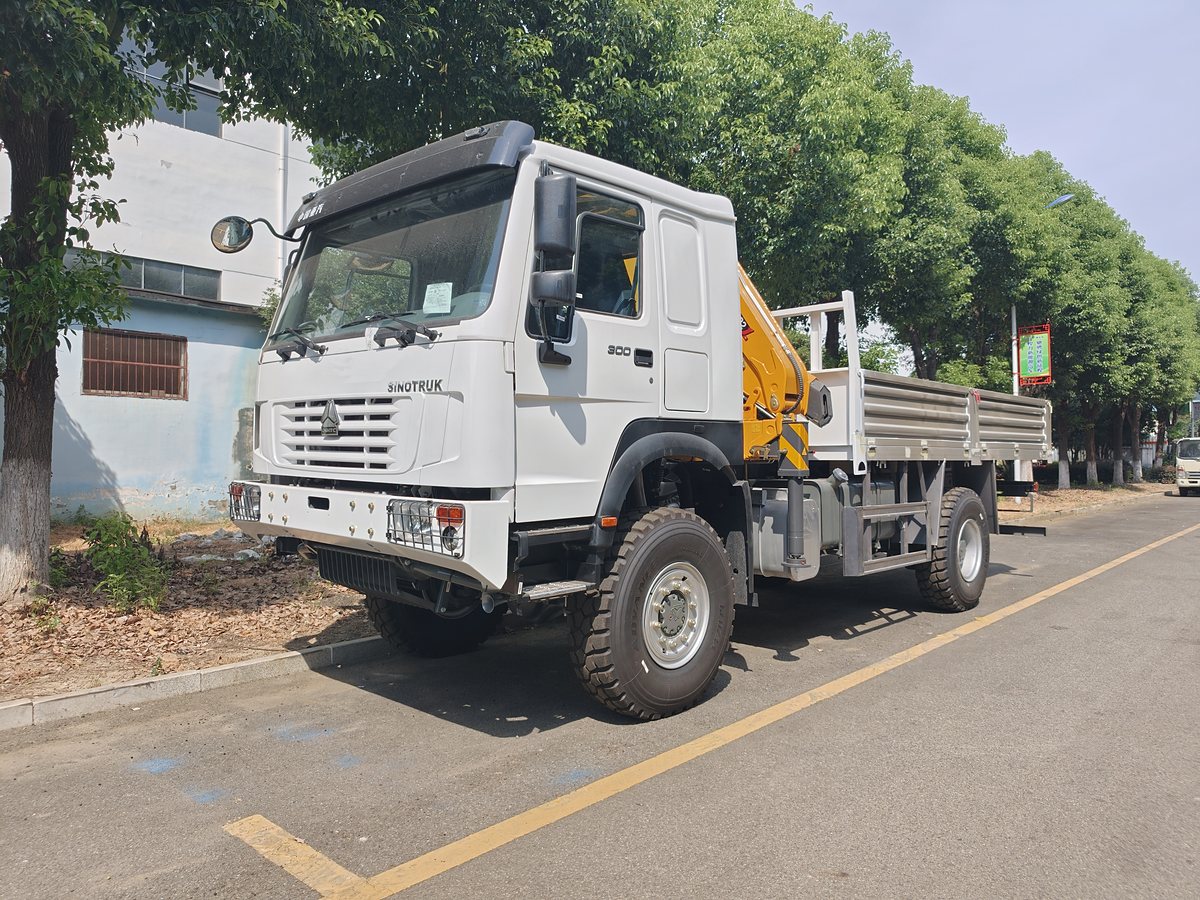
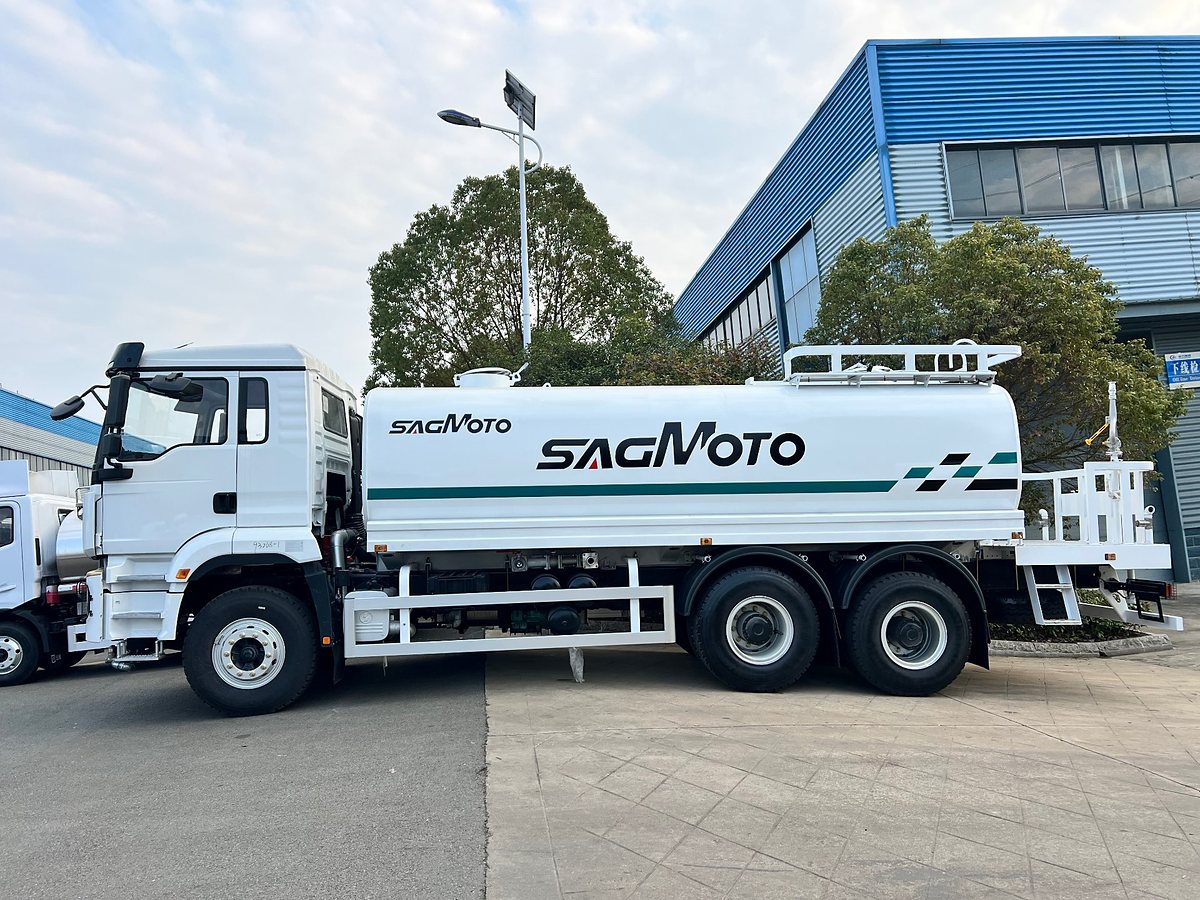
The corridor's commercial logic rests on the traffic already around it. The highway must coordinate with the Dangote Refinery and Lekki Deep Sea Port, two facilities that generate heavy truck movements for workers, suppliers and cargo. For contractors working these corridors, the equipment mix is predictable: dump trucks and flatbeds for earthworks and plant haulage, truck cranes for bridge beams and drainage units, and water sprinklers for dust suppression on concrete-paving sections.
For Nigeria's fleet buyers and importers, the programme is a multi-year demand signal. The first section is complete, but most of the 750-kilometre route remains to be delivered across some of the most difficult ground conditions in West Africa - a profile that sustains procurement of construction, hauling and municipal support vehicles long after ribbon-cuttings on the earliest sections.