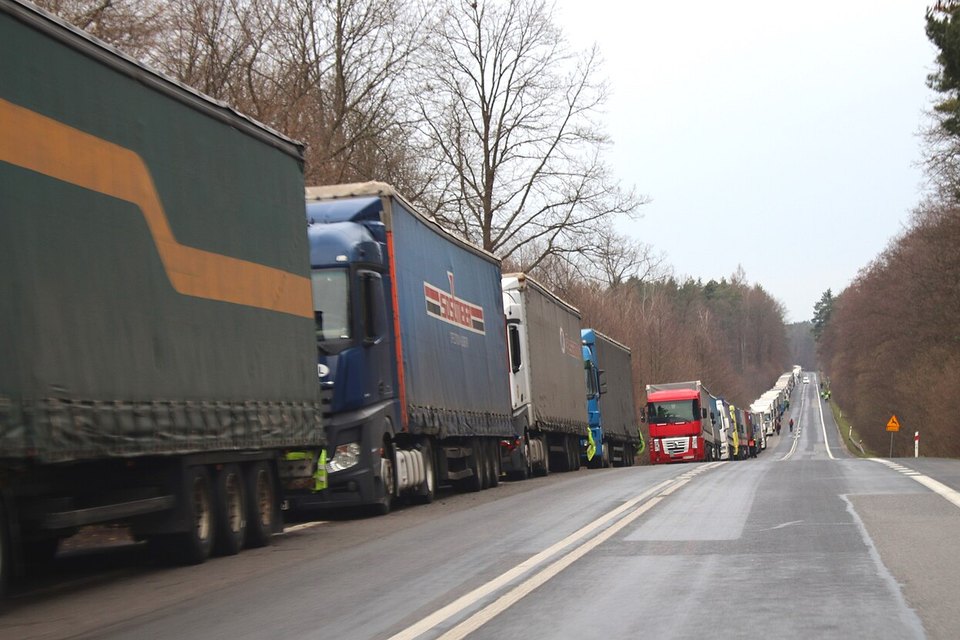
The Giurgiulești crossing is not one border post among many for Moldova; it is the country's southern gateway. The Customs Service describes the area as a hub for traffic heading towards Romania and Ukraine and for vehicles serving the Giurgiulești International Free Port, Moldova's only direct access to the Danube. Agrocereale, the association of grain and agricultural product exporters, puts the stakes plainly: between 70 and 80 per cent of the republic's total agricultural exports leave through this single crossing. When that one post slows down, the queue does not redistribute itself across the network — it sits on the access road.
That is what the new parking area is designed to absorb. The works widened and concreted the site, rebuilt the water supply and sewage networks, added sanitary facilities for drivers, and installed an electronic weighbridge alongside lighting, backup power, access barriers, video surveillance, fire-safety measures, wastewater treatment and stormwater drainage. The contract value of the works and related services came to approximately 18 million lei, roughly 0.9 million euros, financed with European Union and World Bank support. Read as an engineering brief, the specification is a list of what a land border actually needs once volume outgrows the road: somewhere to stand, somewhere to weigh, somewhere to wash, and something to watch.
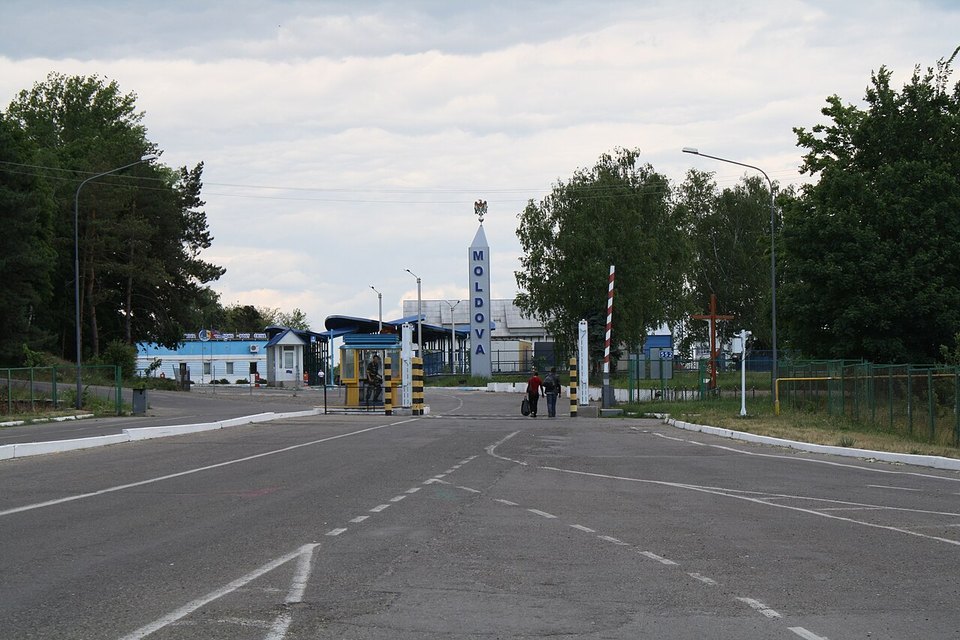
The arithmetic of the upgrade is the story. Sixty bays against a daily queue of 150 to 300 trucks is not a solution; it is a buffer, sized to take the sharpest edge off a bottleneck that has not gone away. Moldovan reporting on 18 October described the access road performing three jobs at once — car park, queue and through route — with drivers living roadside for days without drinking water, food or sanitation. A private investor, one of the country's five largest grain exporters, has offered to fund a further 1.5-hectare lorry park with electronic ticketing that would separate domestic "green line" traffic from export flows, but the plot near Chișlița-Prut is classified as agricultural land and the Cahul territorial bureau of the State Chancellery has refused the reclassification, citing Article 33 of the Land Code. Agrocereale has asked the ministries of agriculture and infrastructure to intervene, and expects the corridor to stay busy next year as well.
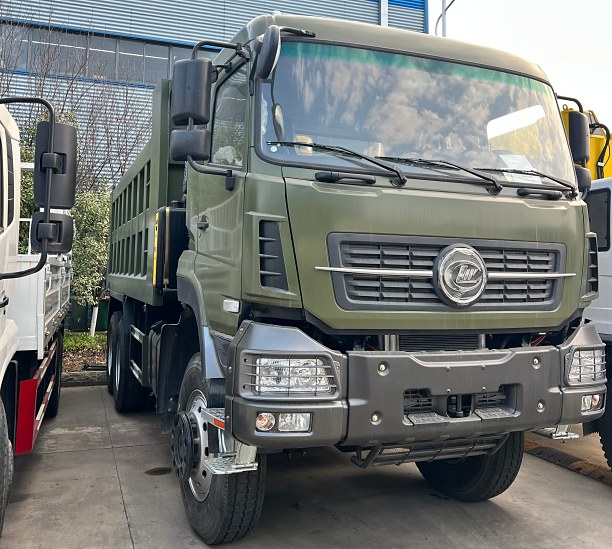
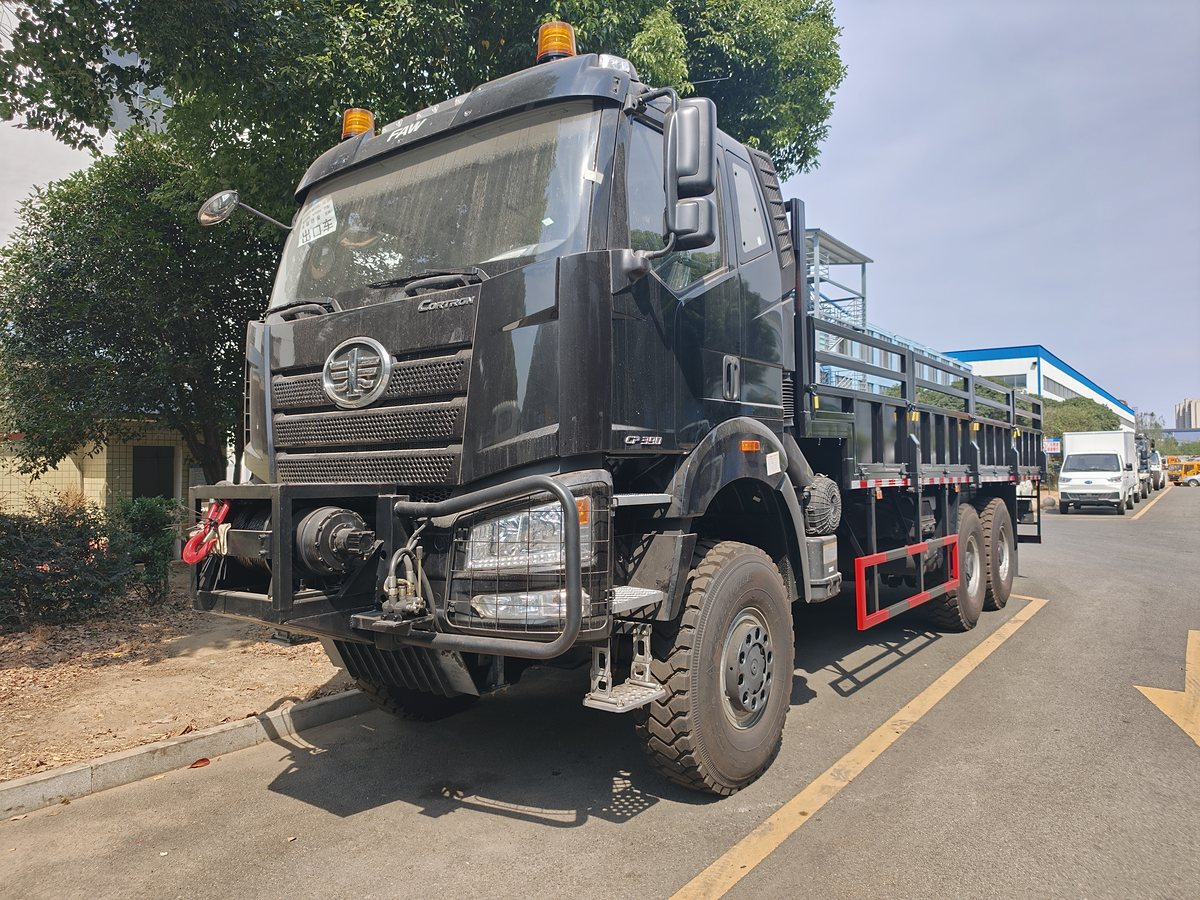
For anyone selling or specifying trucks into this market, three things follow. First, waiting is now a design parameter: on this corridor a truck spends as much time stationary as moving, so cab comfort, idle-hour fuel burn, battery management on auxiliary systems and driver welfare are purchase criteria, not brochure extras. Second, the electronic weighbridge at the gate makes axle and gross weight compliance auditable at the point of entry to the queue rather than at some weigh station further inland — which puts a premium on tare weight discipline in body construction, on tippers and dropsides whose payload is not eaten by an over-built body. Third, a corridor that moves grain, oilseed and general cargo towards Constanța, Reni and the Romanian border rewards vehicles specified for mixed duty: a tipper that can also run regional distribution, a dropside that can take pallets as well as bulk bags, and a service footprint that reaches Chișinău and Cahul rather than only the capital.
Moldova is small — a left-hand-drive market of about 2.4 million people, outside the European Union but inside its deep and comprehensive free trade area, which means EU-aligned technical expectations without EU customs procedures. That combination has historically suited Chinese and Turkish brands building share through local importers, and it explains why the corridor matters beyond its own tonnage: the same road carries Ukrainian-plated trucks, Romanian carriers and freight bound for the free port, so a vehicle that proves itself here is visible to buyers across three markets. Deliveries arrive by road through Romania or by sea through Constanța and Giurgiulești itself, which keeps landed cost calculable. The parking lot, in other words, is a small piece of concrete with a large read-out: the gateway is being widened, the queue is not yet clearing, and the fleets that work it will be bought on uptime and payload rather than on sticker price.