The report describes a continent-wide gap between waste generation and disposal infrastructure. Africa's urban population is expected to reach 1.4 billion by 2050, and cities such as Lagos, Dakar and Accra are already generating waste faster than they can dispose of it. With more than 90% of the continent's waste ending up in open dumps rather than engineered facilities, collection and safe disposal remain the exception rather than the rule across most of sub-Saharan Africa.
Johannesburg illustrates the pressure. The city operates four landfills, but only two still accept waste, and the CSIR estimates their combined remaining capacity at less than one year. At one illegal dumping site, ward councillor Devon Steenkamp told the AP the waste is now a high mountain with constant fumes, underlining how close informal dumping has moved to residential areas.
The city is spending to catch up. Pikitup, Johannesburg's municipal waste company, has identified more than 2,000 illegal dumping sites and allocated ZAR 115 million (US$6.4 million) in fiscal 2025/26 to tackle illegal dumping, while pushing source separation and planning to expand recycling. The AP notes similar dynamics in Lagos, Dakar and Accra, where waste generation is outpacing disposal capacity.
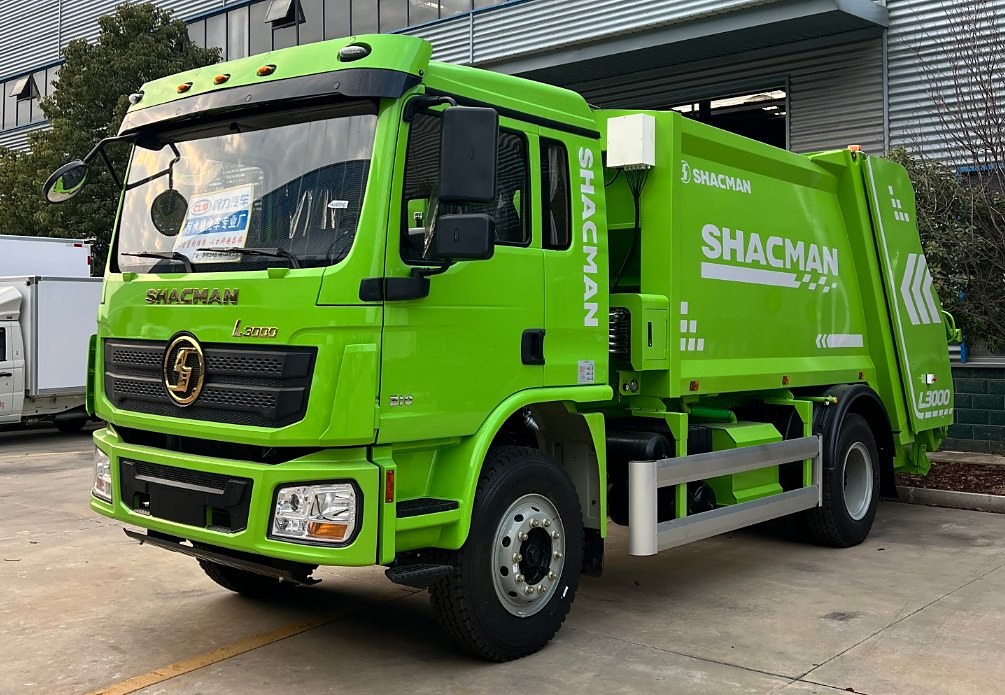
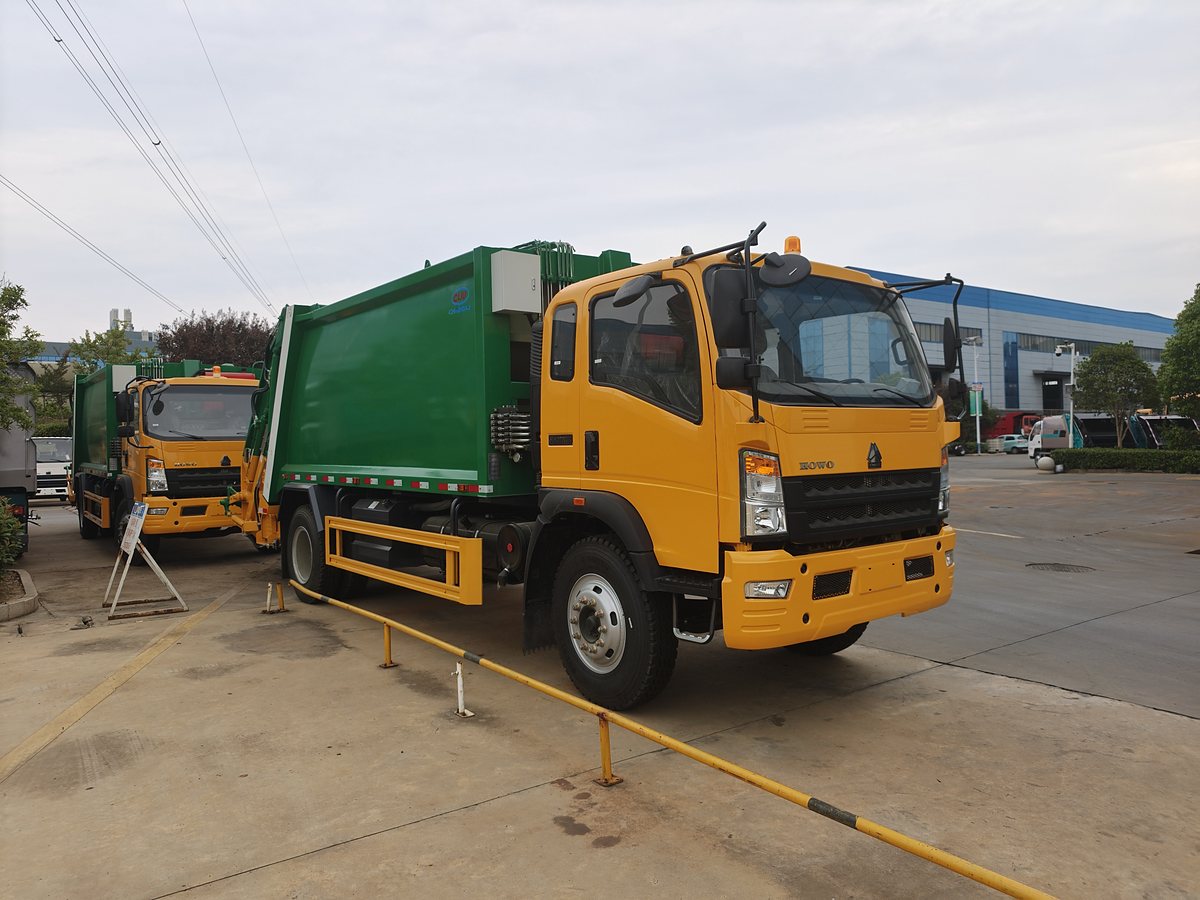
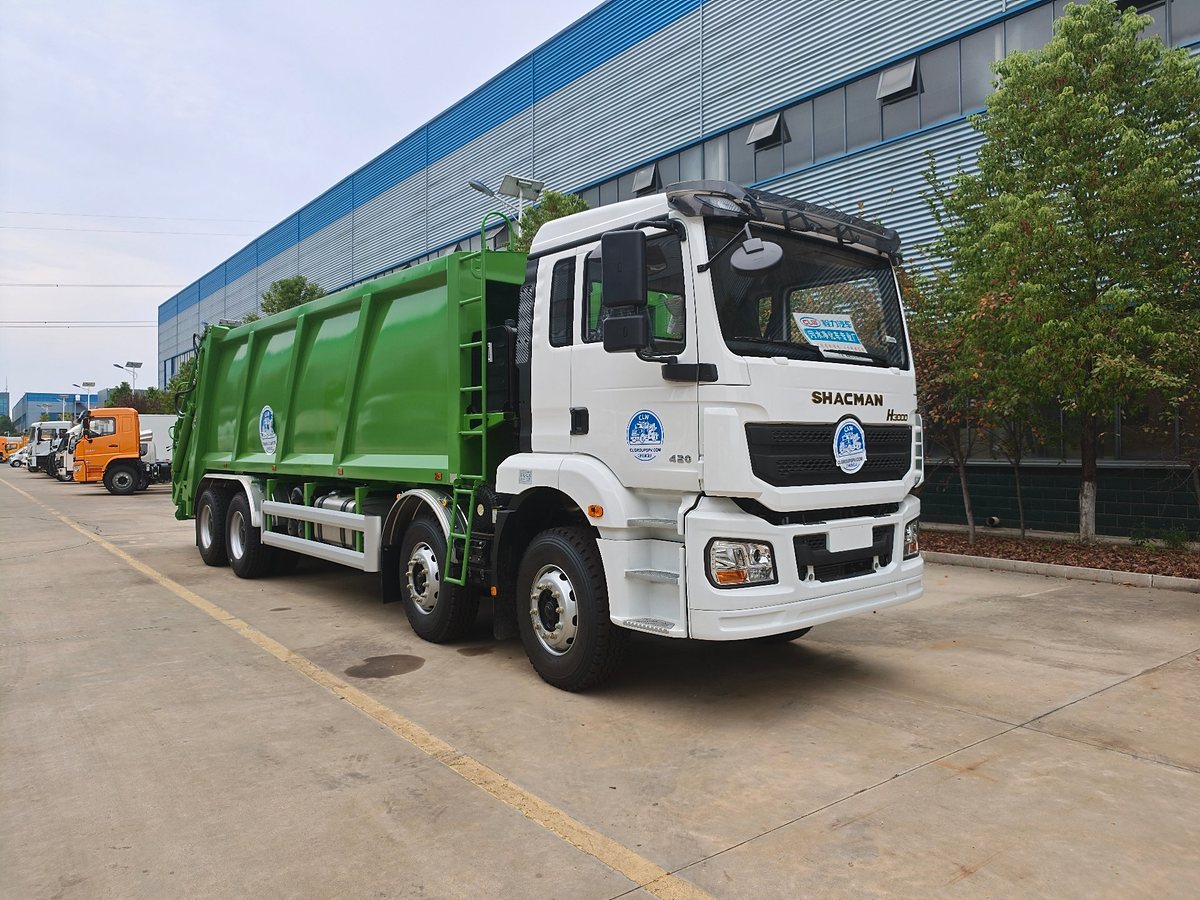
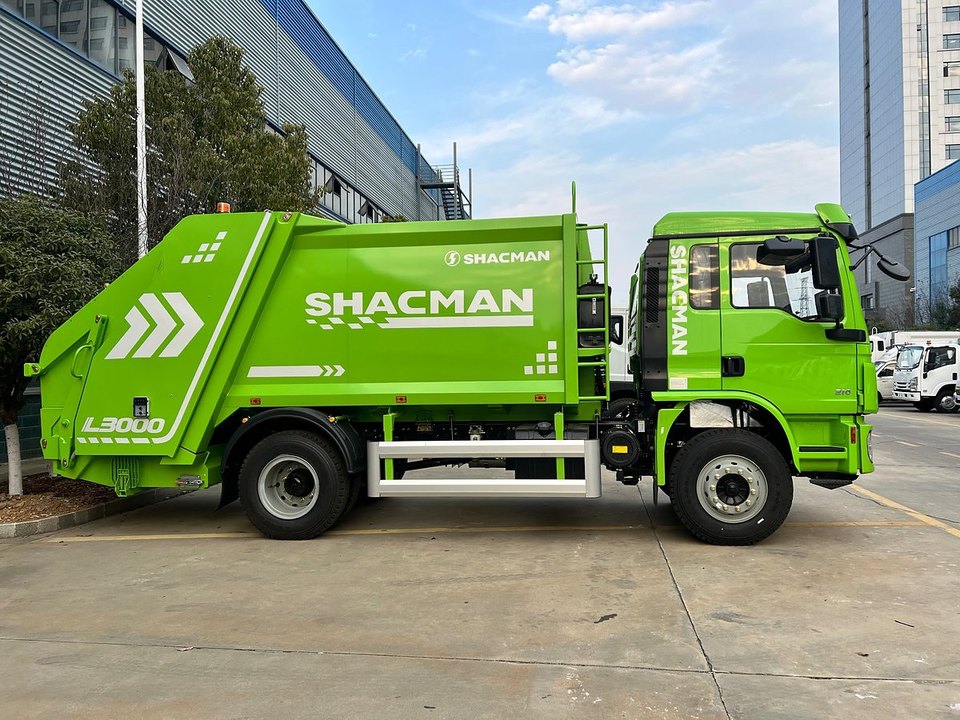
For municipal fleets, the report points to a structural shift. As landfill space runs out, cities must collect more waste per trip, haul it further to engineered facilities, and clean up thousands of illegal sites. That translates into demand for higher-capacity compaction, more collection vehicles, transfer stations and wider route coverage in peripheral neighbourhoods where dumping is concentrated.