The stations were inaugurated on 21 September 2026 at Nabarouh in Dakahlia governorate and Neishil in Gharbia governorate, at a combined cost of EUR 3.8 million. The solid-waste component is backed by a EUR 79 million loan from the European Bank for Reconstruction and Development (EBRD) and a EUR 8 million European Union grant, and covers Dakahlia, Gharbia and Kafr El-Sheikh in the Nile Delta. Each station is designed to handle 300 tonnes of waste per day.
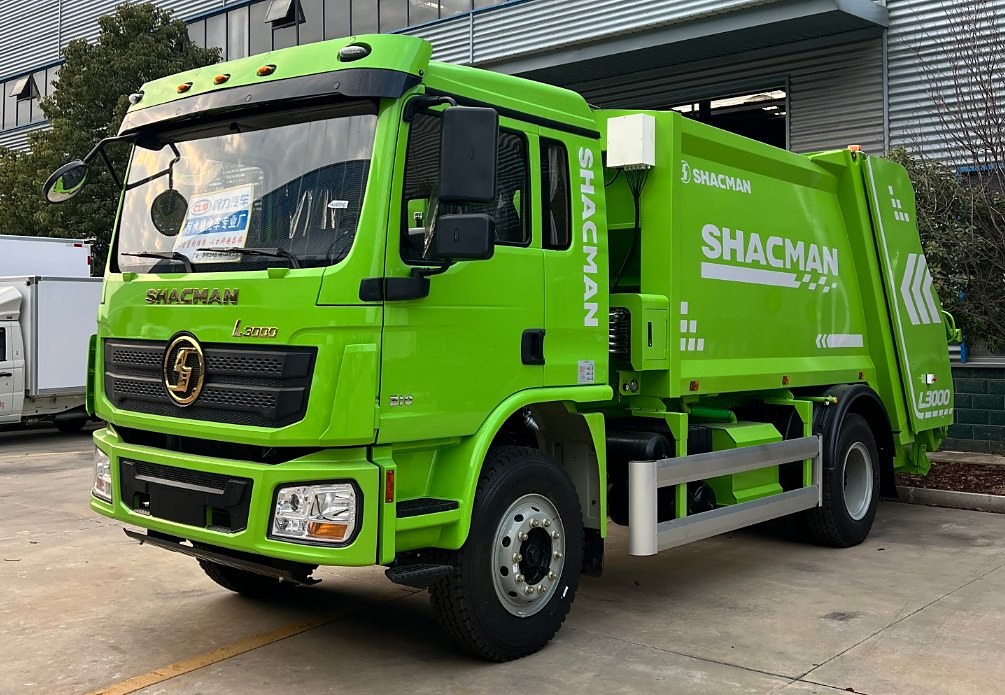
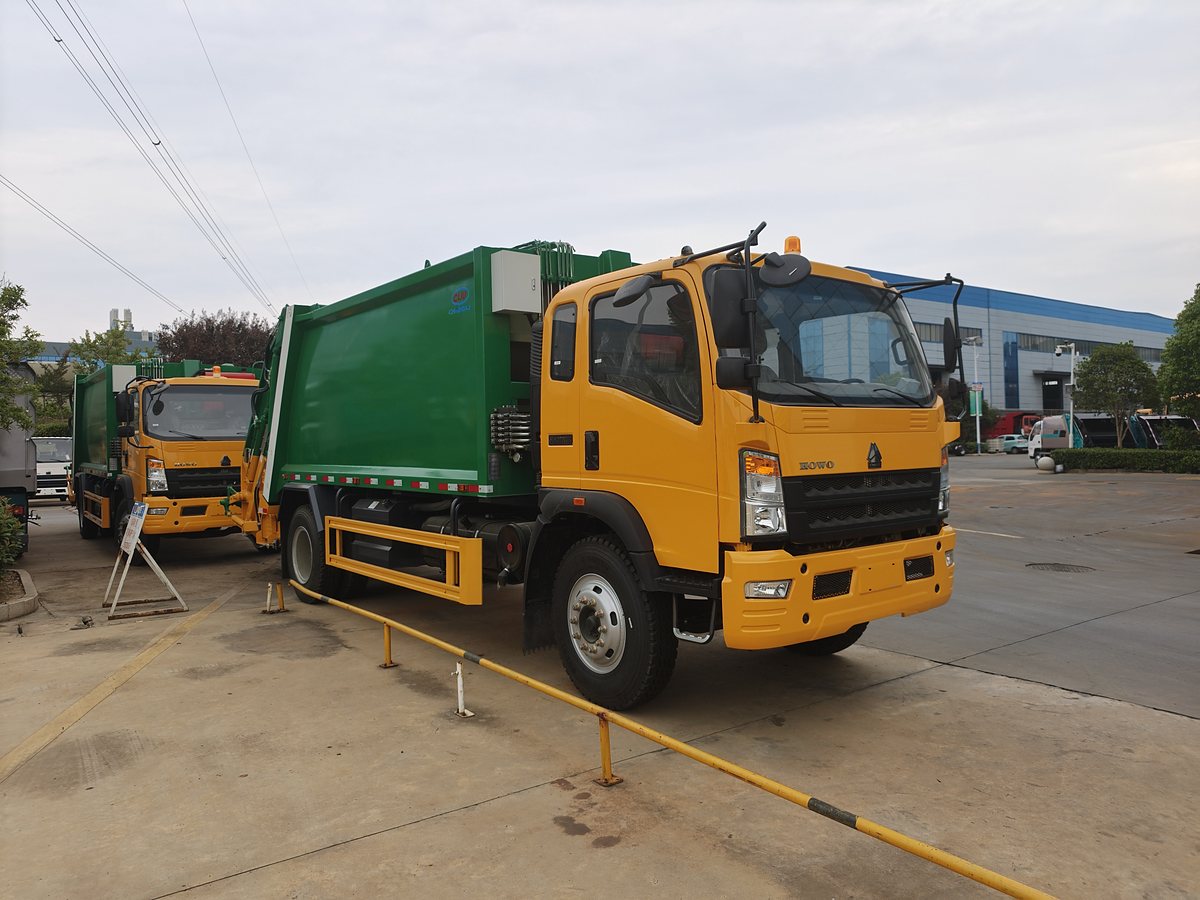
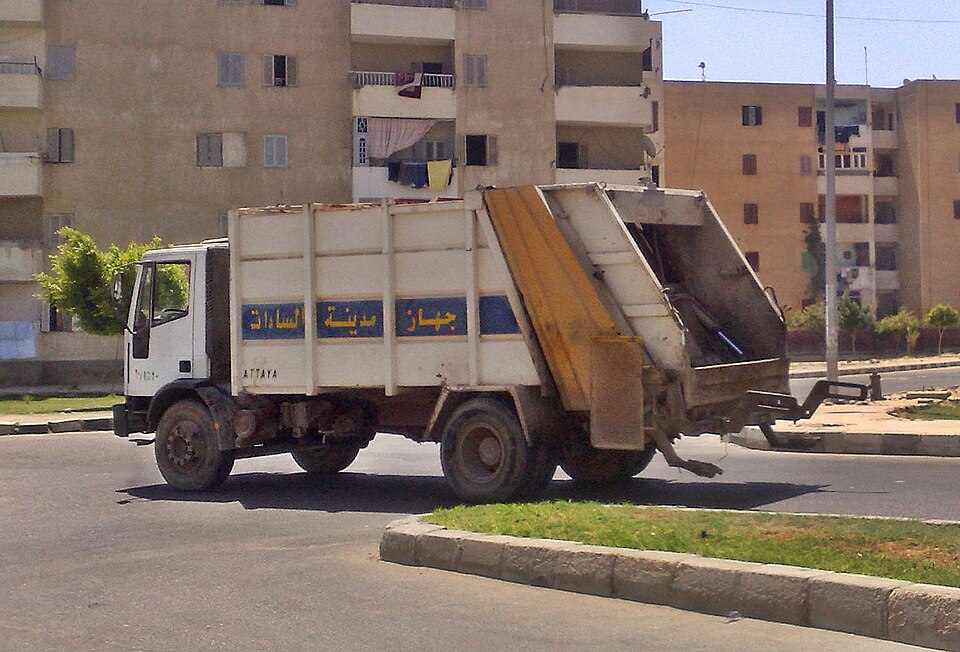
Both facilities use a direct-transfer arrangement in which local collection trucks unload from an elevated platform into larger transfer trucks positioned below, separating short collection rounds from long journeys to treatment or disposal sites. The Ministry of Local Development and Environment expects the model to lower operating and maintenance costs, allow the existing collection fleet to complete more trips each day, and reduce the cost of moving each tonne over distance. The Nabarouh station alone is expected to cut greenhouse gas emissions by up to 4.4 tonnes of carbon dioxide equivalent per day through lower fuel consumption.
The wider solid-waste programme includes five recycling plants with a combined capacity of 4,200 tonnes per day: two are due to open in December and two more in February 2027, while no date has been given for the fifth. It also provides for 47 pieces of waste collection and transport equipment and the upgrading of eight depots used to operate and maintain the fleet. Authorities separately plan to close and rehabilitate the Qalabsho dumpsite in Dakahlia, which holds an estimated 2.5 million cubic metres of accumulated waste across 60 feddans.
The two stations are the first assets completed by Egyptian ministries under the Kitchener Drain Depollution Project, which has three components covering untreated domestic and industrial wastewater, solid waste, and the rehabilitation of the drain itself. Local Development and Environment Minister Manal Awad said the government is seeking to integrate the investment with wider waste-management programmes across the three governorates, and urged officials to complete the remaining facilities on schedule. EU Ambassador to Egypt Angelina Eichhorst attended the opening.