The agreement, announced by the National Treasury on 15 September 2026, sits under the Metro Trading Services Reform Programme (MTSR) — a government-led reform aimed at improving governance, financial sustainability and operational performance of trading services in the country's metropolitan municipalities. The loan carries a 16-year maturity with a three-year grace period, and disbursement is tied to independently verified performance targets approved by metro councils.
The New Development Bank is financing the programme alongside the World Bank, the Asian Infrastructure Investment Bank, KfW Development Bank and the French Development Agency. A funding stack of that breadth points to a multi-year commitment rather than a single capital injection, and it keeps the reform anchored to measurable service delivery.
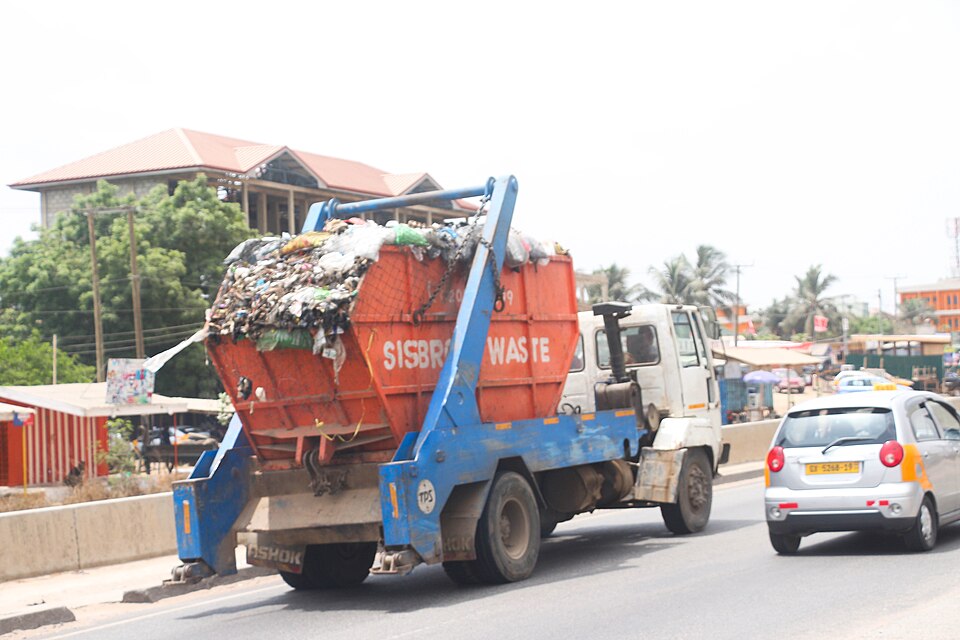
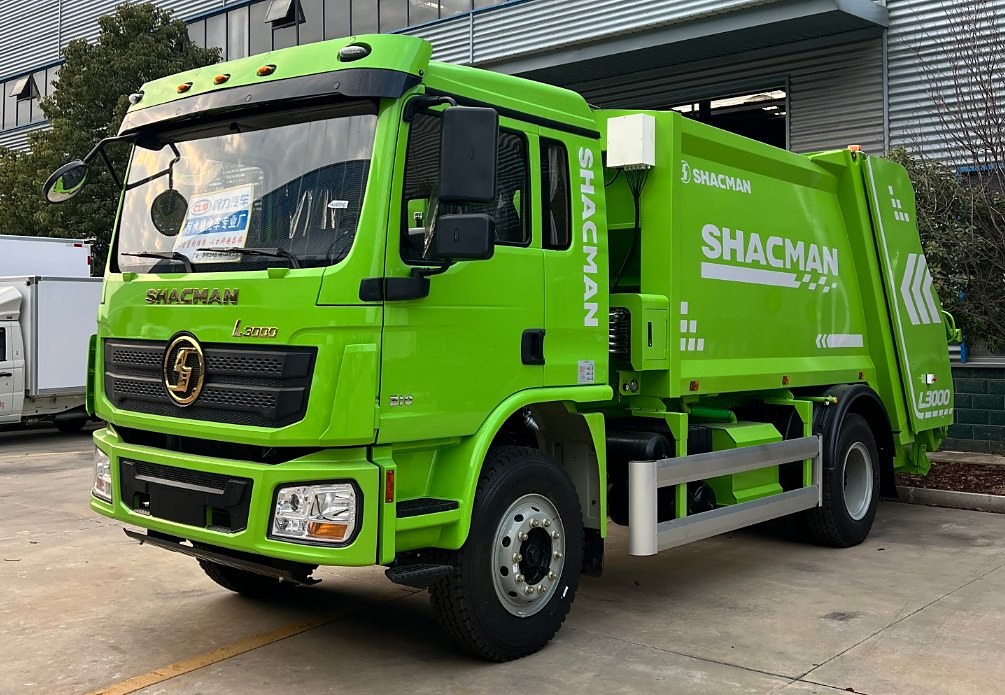
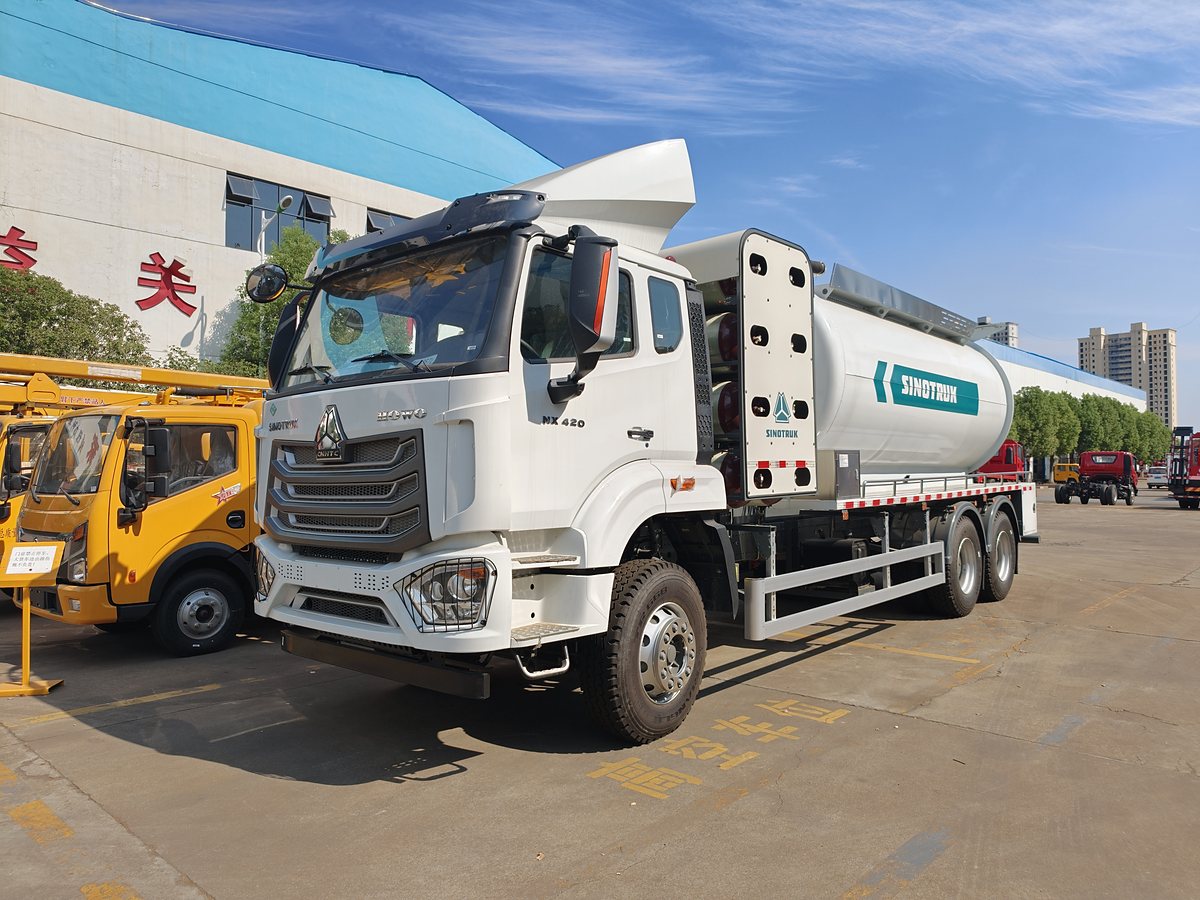
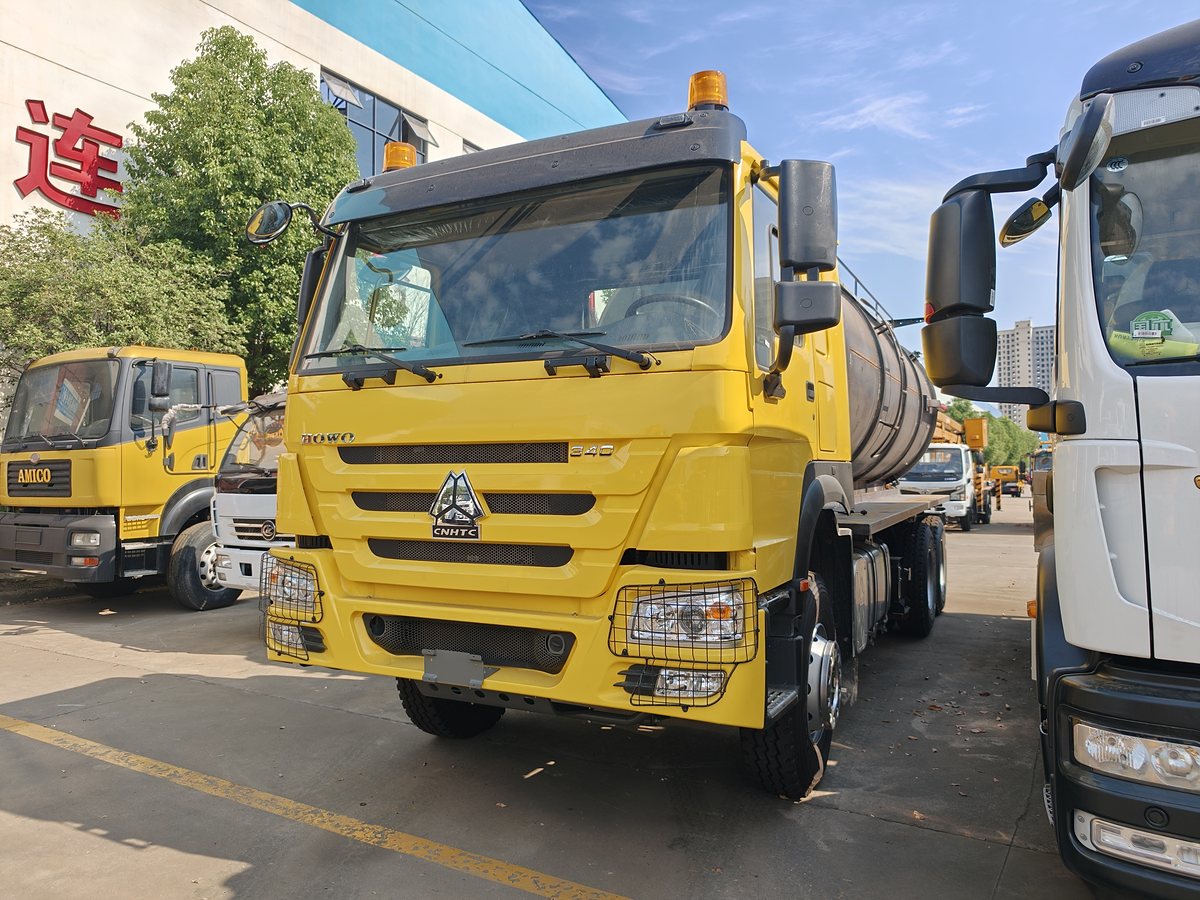
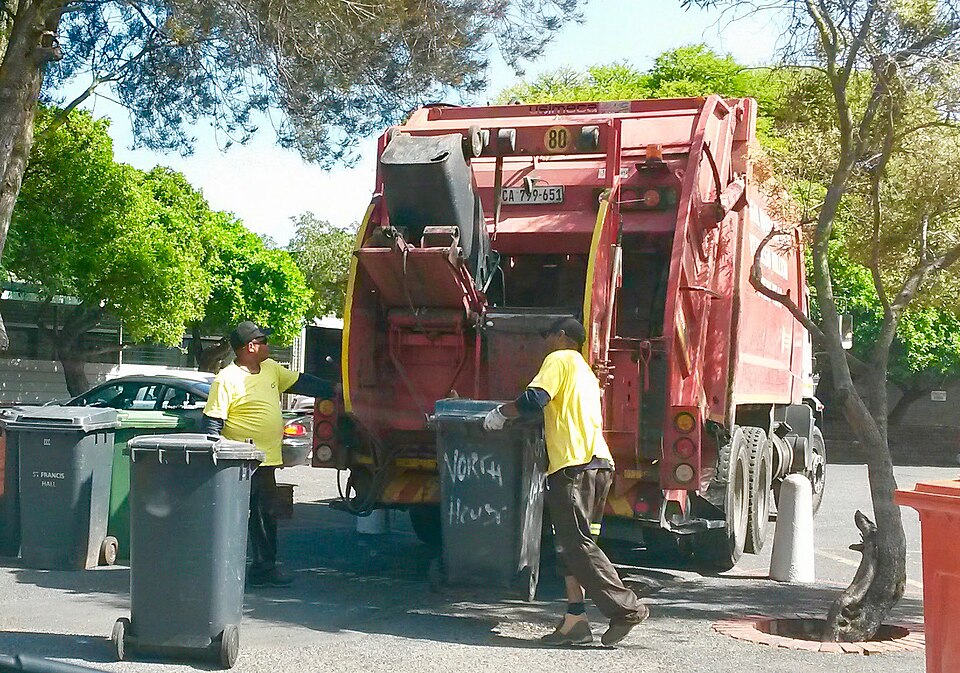
Solid waste management is named alongside water, sanitation and energy as a core workstream. For municipalities, performance-linked financing changes the procurement logic: when disbursement depends on independently verified output, metros have to demonstrate collection coverage, fleet availability and landfill diversion rates — metrics that translate directly into equipment demand, from refuse compactors to jetting and vacuum units for sewer networks and reliable haulage capacity.
Metropolitan trading services have long been constrained by ageing fleets, workshop backlogs and parts-supply gaps. Reform programmes at this scale typically precede fleet renewal tenders, phased across several metros over three to five years as performance milestones are met, rather than released as one procurement package.