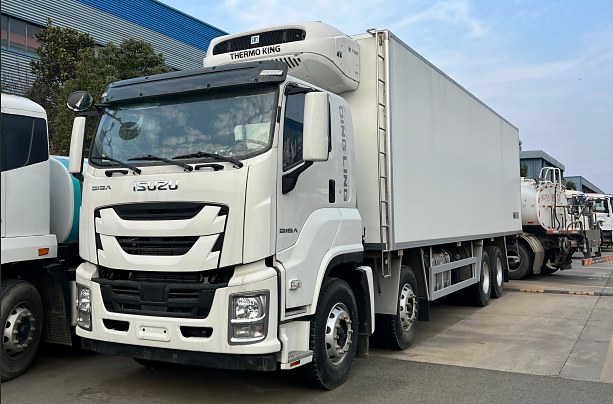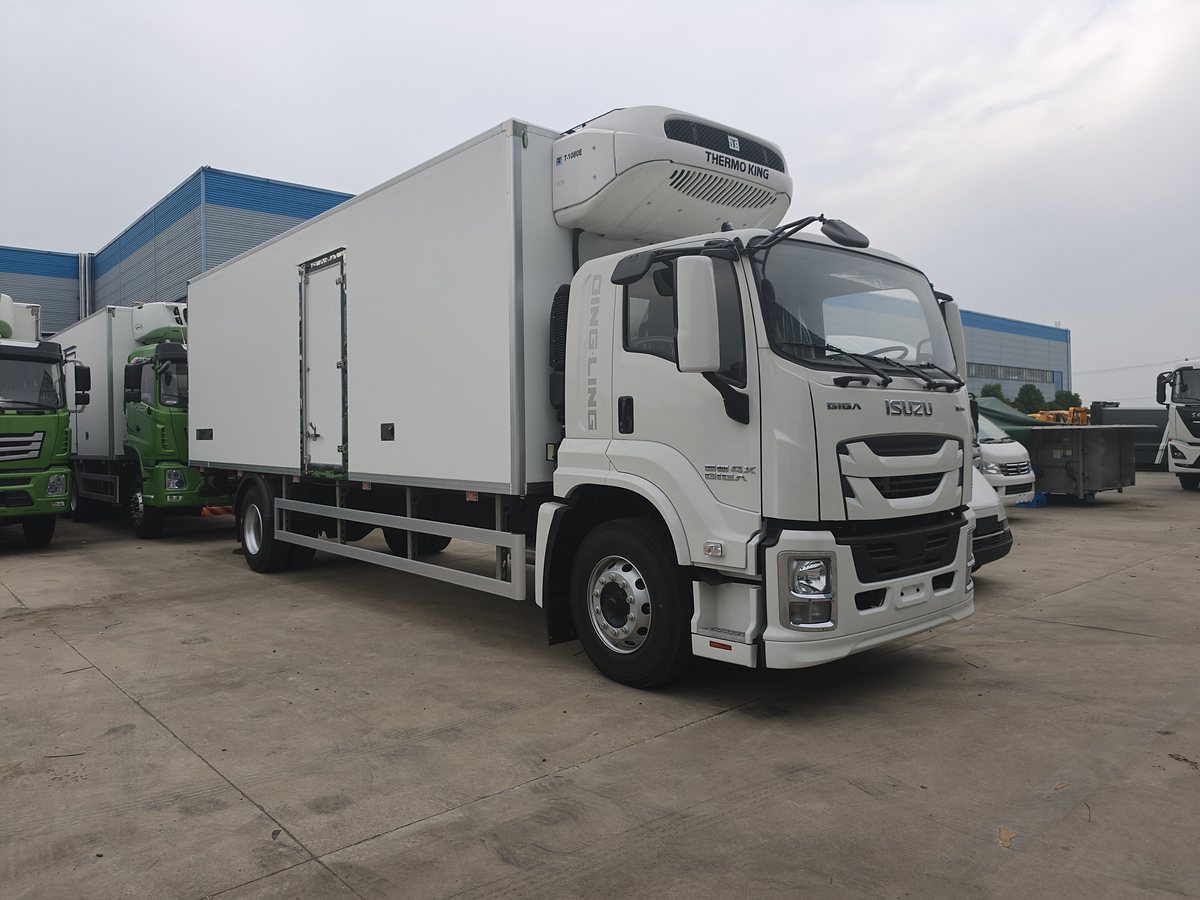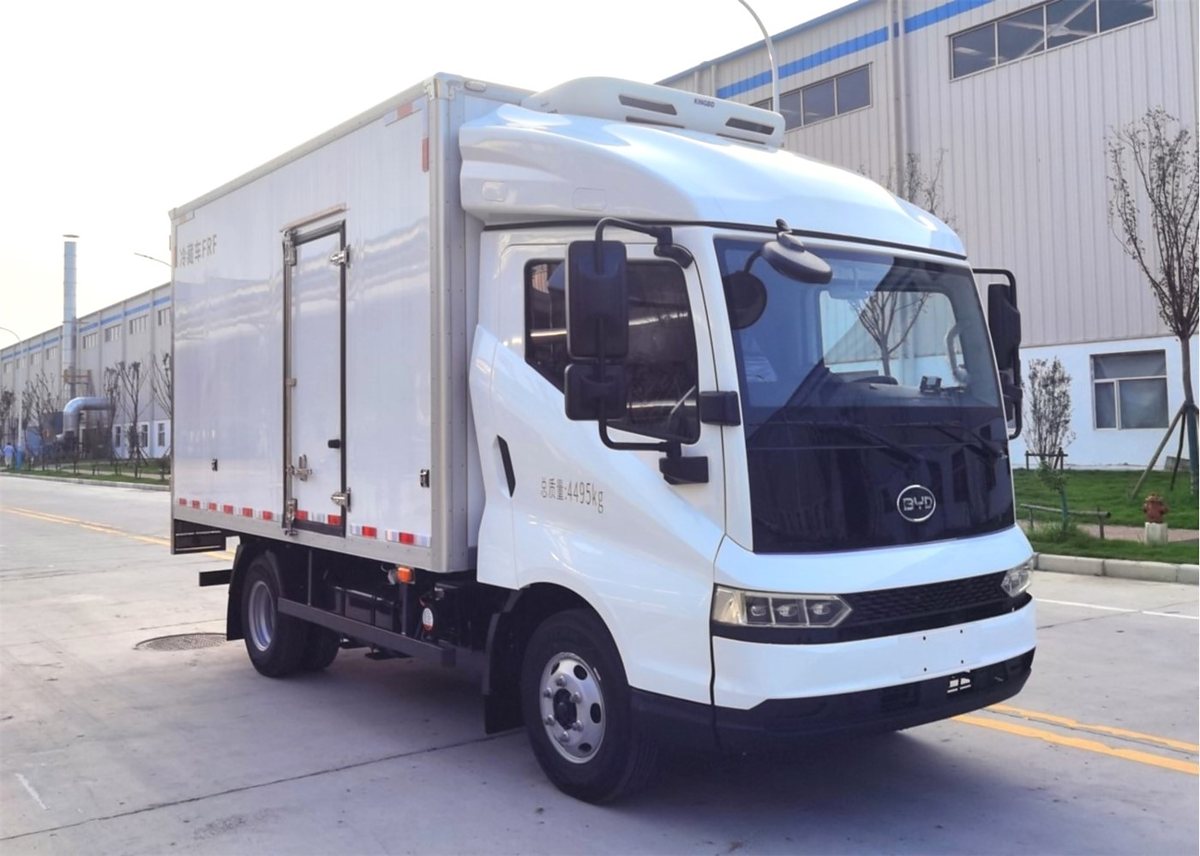
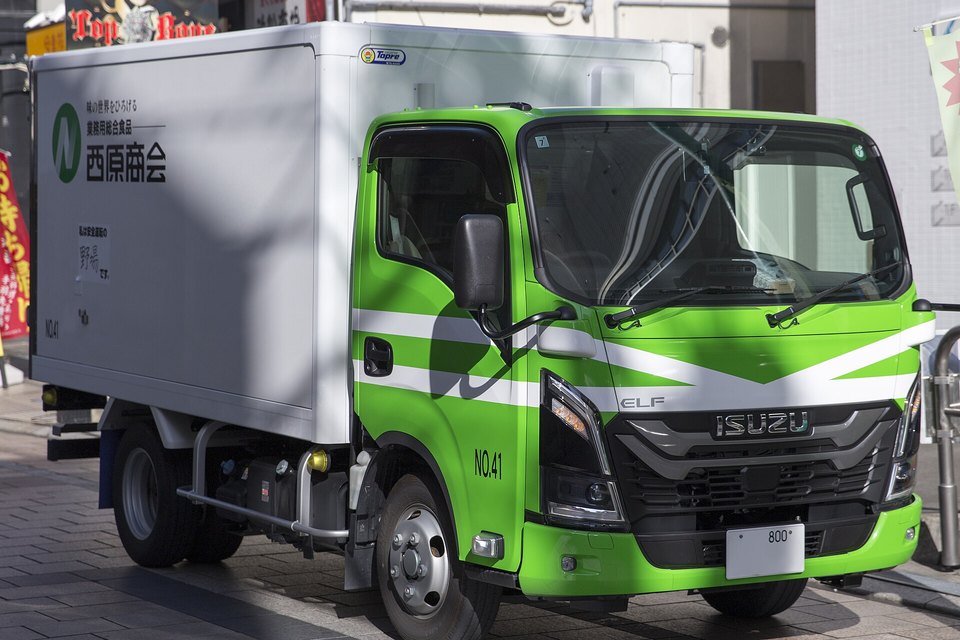
The fleet was launched at the Communications Authority of Kenya (CA) Centre in Nairobi by Cabinet Secretary for Information, Communications and the Digital Economy William Kabogo. "Today we put that network to work for the health of our people," Kabogo said, framing the vehicles as the activation of Posta Kenya's more than 600 postal outlets for the delivery of temperature-sensitive medical products to health facilities in unserved and underserved communities. "Procurement and storage are important, but that journey is not complete until the product reaches the facility where it is needed, in the right condition and at the right time." The vehicles will work the loop between the Kenya Medical Supplies Authority (KEMSA) and county-level health facilities, with temperature and location monitoring specified for the deliveries.
The funding structure is the most instructive part of the announcement, because it shows how a public fleet gets assembled when no single budget line exists. The Communications Authority contributed about KSh 42 million through the Universal Service Fund toward three refrigerated trucks. The Government of Japan, through the UPU's Post4Health programme, provided CHF 150,000 — roughly KSh 23.5 million — toward three more refrigerated trucks. And the UPU Quality of Service Fund contributed USD 240,910, about KSh 31.3 million, toward the five last-mile delivery vehicles. Three funders, three tranches, one fleet: each tranche was negotiated separately, and each bought a different slice of the same distribution task.
Why is a postal operator buying refrigerated trucks at all? Because the mail it was built for is disappearing. According to Communications Authority data presented at the launch, Posta Kenya processed 577,694 domestic letters in the April–June 2026 quarter, down 70.2 percent year on year, while domestic parcel volumes fell 33.2 percent to 993,099. In the same quarter private courier firms handled 14.4 million domestic parcels, up 9.3 percent. The Government's response has been structural: Posta Kenya has been designated a Government-Owned Enterprise, postal legislation is under review, and the corporation has been told to earn revenue from services the market actually wants. A 600-outlet physical network with cold-chain capability is exactly such a service.
The scale-up path is already funded in principle. Universal Service Advisory Council Chairperson James Ongwae said the USF's 2023–2027 strategy, with an estimated budget of KSh 40 billion, has set aside KSh 3.1 billion to strengthen the capacity of the public postal operator, and targets cutting the average distance to the nearest postal outlet from about 30 kilometres to 22 kilometres while reaching 99 percent of the population, alongside a 20 percent increase in e-commerce penetration. Postmaster General John Tonui added the commercial dimension: the same temperature-controlled fleet is meant to open agriculture, fisheries and food distribution markets. Posta Kenya has publicly invited healthcare institutions, pharmaceutical companies and other organisations to explore cold-chain logistics partnerships — an explicit statement that this is a commercial platform, not a one-off donation.
For a vehicle supplier, the configuration that this launch defines is worth reading precisely. The six refrigerated trucks are Isuzu FRR — the medium-duty class that dominates East African distribution, roughly 8-tonne gross vehicle weight, the segment where a reefer body with a self-contained refrigeration unit for pharmaceutical and food loads makes economic sense. The five last-mile vehicles are smaller delivery units for the final hop from postal outlets to clinics. Kenya drives on the left, so right-hand drive is a given. What travels well in this market: 5-to-8-tonne refrigerated chassis with temperature logging and alarm functions for vaccine and pharma grades, sealed washable interiors, standby electric power at the depot, and compact last-mile vans that can hold 2–8 °C on short rural legs.
What is not public is as telling as what is. No unit prices per vehicle, no delivery schedule, no body-builder or telematics supplier has been disclosed, and the launch covers the first fleet only — the KSh 3.1 billion postal-operator line in the USF strategy is the pool from which later tranches would come, but no procurement notice has been published against it yet. The watchlist is therefore concrete: the first commercial cold-chain contracts Posta Kenya signs with counties or pharmaceutical distributors, any tender for additional refrigerated vehicles under the USF allocation, and the pace at which the 17 post offices currently being upgraded are fitted out as distribution nodes. Each of those documents converts a launch ceremony into a repeat order.