The plant was inspected on Wednesday 4 November by Coordinating Minister for Food Affairs Zulkifli Hasan and Mayor Ratu Dewa. "The project, worth nearly Rp3 trillion in investment, has entered the operational testing, or commissioning phase," Zulkifli said, adding that output had already passed the original target: 17.7 MW was designed, 18.6 MW is being produced, and up to 20 MW is expected at peak load. The facility is 98.5 percent complete, is scheduled to be fully operational in December 2026, and will be inaugurated by President Prabowo Subianto on 8 December. It is sized around the 1,100 tonnes of municipal waste the city collects each day, is expected to supply power to 14,000 to 15,000 households, and to create 500 to 1,000 local jobs. "Imagine how something that previously posed serious environmental problems can now be turned into electricity," the minister said.
The more consequential sentence came from the mayor. "However, we still need an additional 171 waste collection vehicles," Ratu Dewa said. "The South Sumatra provincial government has provided assistance, and the city government has requested another 50 vehicles from the central government." He also confirmed that the city has held collection at roughly 1,100 tonnes a day specifically to keep the plant fed. Read as a fleet requirement, 221 vehicles against 1,100 tonnes works out to about five tonnes per vehicle per day — the signature of short-haul, multi-trip municipal collection built around detachable containers and transfer points, not long-haul bulk haulage. That is a different truck from the one a landfill operation buys, and it is bought through a different budget line.
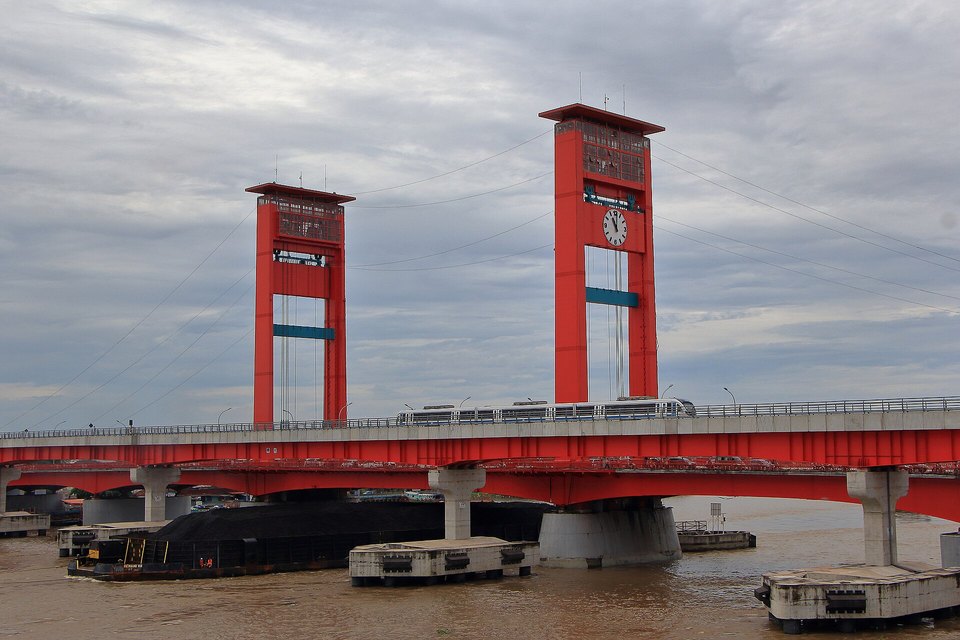
A thermal waste-to-energy plant is a fixed-throughput asset: it earns on kilowatt-hours and its fuel arrives by road. Once a city commits to supplying tonnage, collection coverage stops being a service-level aspiration and becomes a supply obligation, and the binding constraint moves from disposal capacity to the vehicles that deliver into the pit. Palembang shows the asymmetry plainly. The power side was financed as one Rp3 trillion project and is now 98.5 percent built; the collection side is being assembled through a provincial grant and a request to the central government, in batches of 171 and 50. In city after city, the plant ceremony arrives before the fleet does.
Palembang is not an isolated case. The national programme run by PT Danantara Investment Management and PT Daya Energi Bersih Nusantara (Denera) currently covers 17 locations across 33 regencies and cities, according to chief executive Fadli Rahman; eight second-phase projects worth about IDR 25 trillion, spanning 20 regencies and cities, received conditional letters of award in July 2026 with construction targeted from 2027. Chief investment officer Pandu Sjahrir said on 26 October that 15 to 16 projects should be tendered by the end of 2026, with eight breaking ground in the first quarter of 2027, and on 2 November Danantara published a third-batch selected-provider list running to 101 entities and consortia. The Coordinating Ministry for Food Affairs has set a target of at least 21 operating facilities by 2028–2029. Every one of those sites implies a collection and transfer fleet sized to a guaranteed daily tonnage.
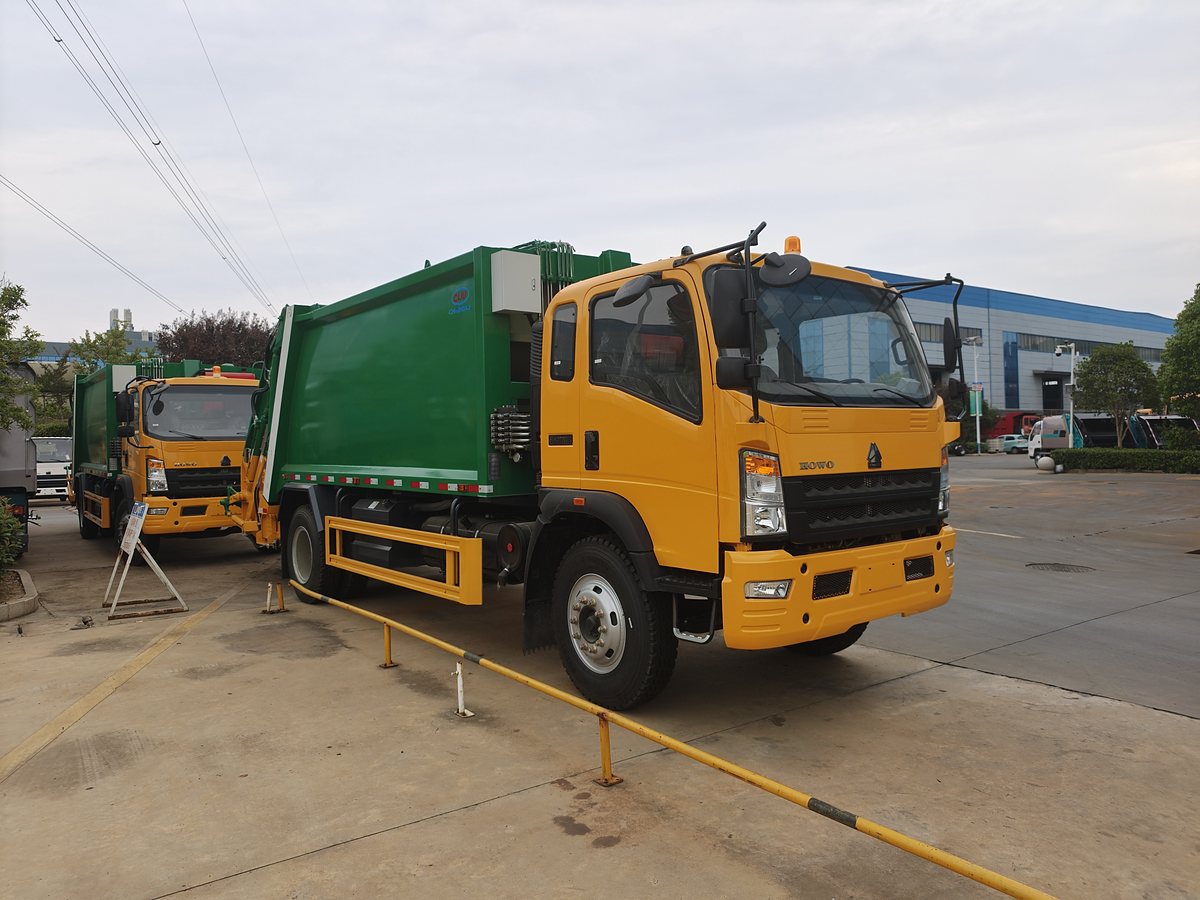
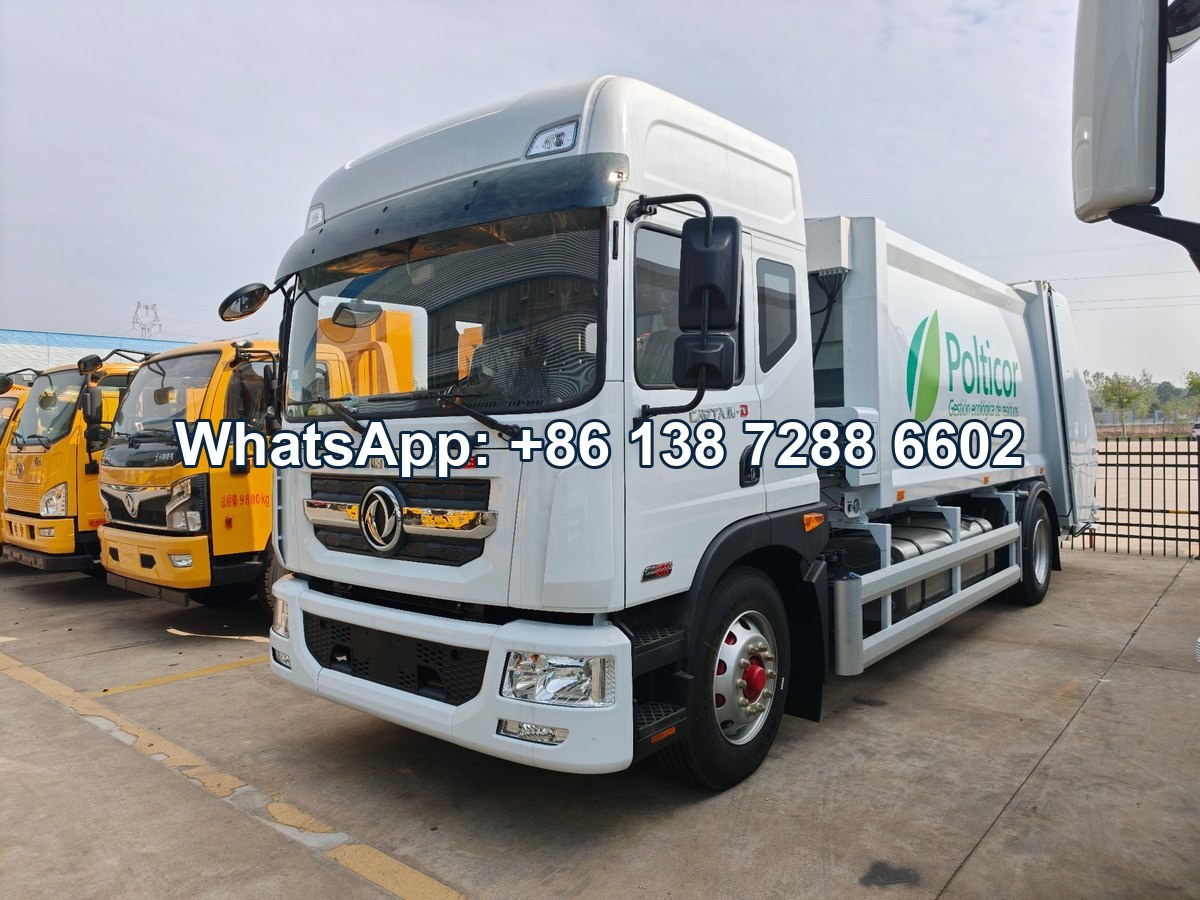
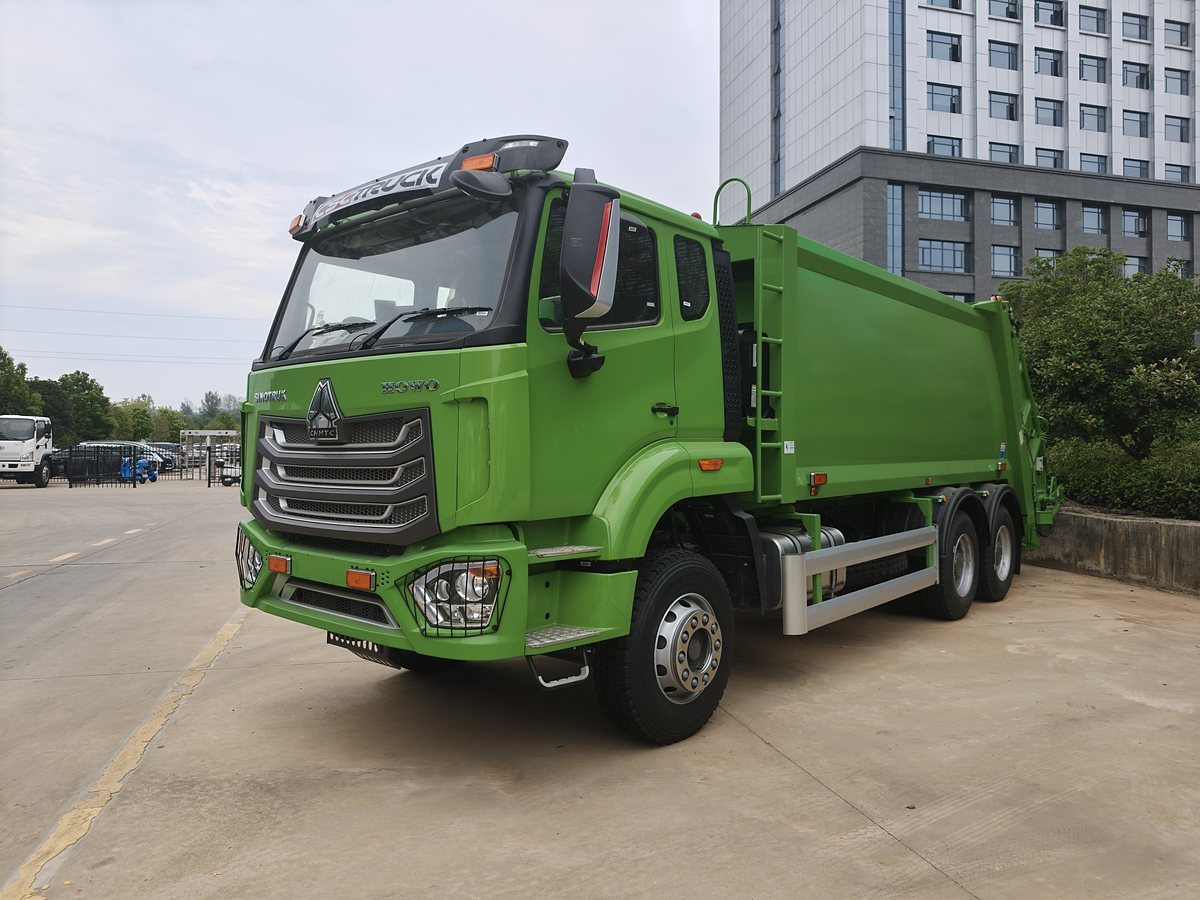
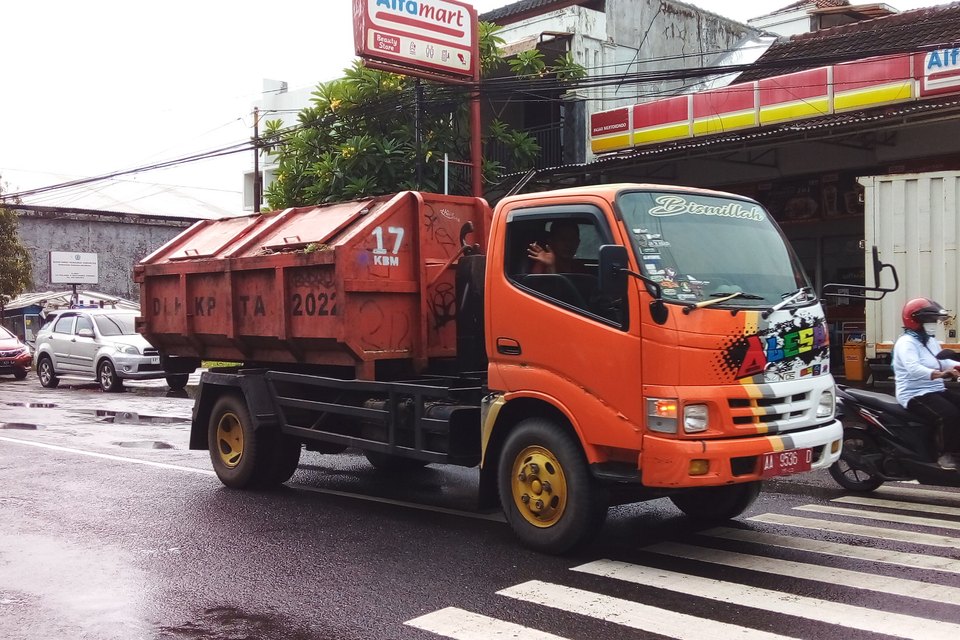
There are two buyers and three budgets in this market. Collection trucks are bought by city and district environment agencies — the Dinas Lingkungan Hidup — out of the municipal budget, topped up by provincial assistance or central transfers, exactly the three channels named in one sentence in Palembang. Transfer and support fleets are bought separately by the plant companies and the consortia behind them, whose procurement is capex-driven and tied to availability guarantees. Indonesia drives on the left, so right-hand drive is a given. The configuration that travels best in Indonesian cities is the hooklift or arm-roll chassis with detachable containers for neighbourhood collection points — the vehicle class in the photograph above, in service with a district environment agency in Central Java — backed by rear-loading compactors on 9 to 18 tonne chassis for arterial routes, with sealed bodies, corrosion protection and wash-down provision for wet, high-organic waste, and short wheelbases for lane width.
What is not public is as instructive as what is. The report establishes a requirement, not a procurement: no brand split, no body type, no tonnage class, no unit value and no delivery schedule has been disclosed for the 171 vehicles, and the 50-unit request to the central government carries no stated decision date. The watchlist is therefore procedural rather than commercial — Palembang's budget revisions, provincial grant tenders in South Sumatra, central vehicle allocations, and the tender notices for the 15 to 16 PSEL projects Danantara intends to launch before year-end. Each of those documents is what converts a commissioning ceremony into a purchase order.