The Ministry of Road Transport and Highways (MoRTH) issued the revised model contract for engineering, procurement and construction (EPC) highway projects in October 2026, and Business Standard reported on 19 October that it is the first time such crash-liability clauses have been inserted into EPC work. Under the agreement, a contractor is given an opportunity to rectify errors within 15 days of a first accident; if it does not comply, the authority may carry out maintenance and remedial work at the contractor's cost, and the contract can face termination.
The penalty ladder is explicit. If a second accident happens within one year of the first — or within one year of the completion of remedial action, whichever is later — occurs within 500 metres of the earlier crash, and the crash investigation attributes it to a defect in the project, the contractor owes ₹25 lakh (about US$30,000) for each fatality and ₹10 lakh for each grievous injury. For a third or subsequent accident in the same window and stretch, the liability rises to ₹50 lakh per fatality and ₹25 lakh per grievous injury, without prejudice to other remedies available to the authority.
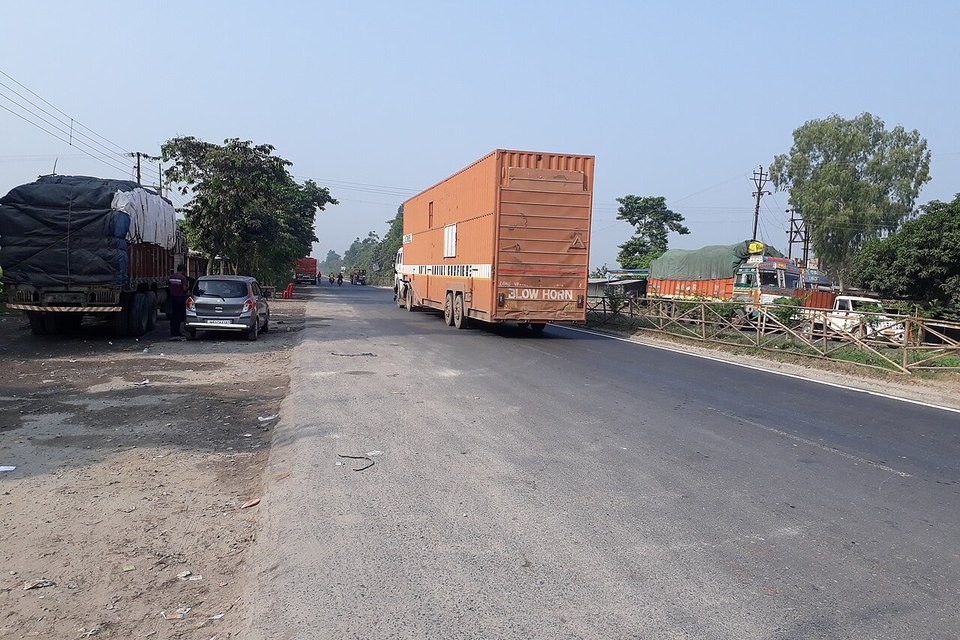
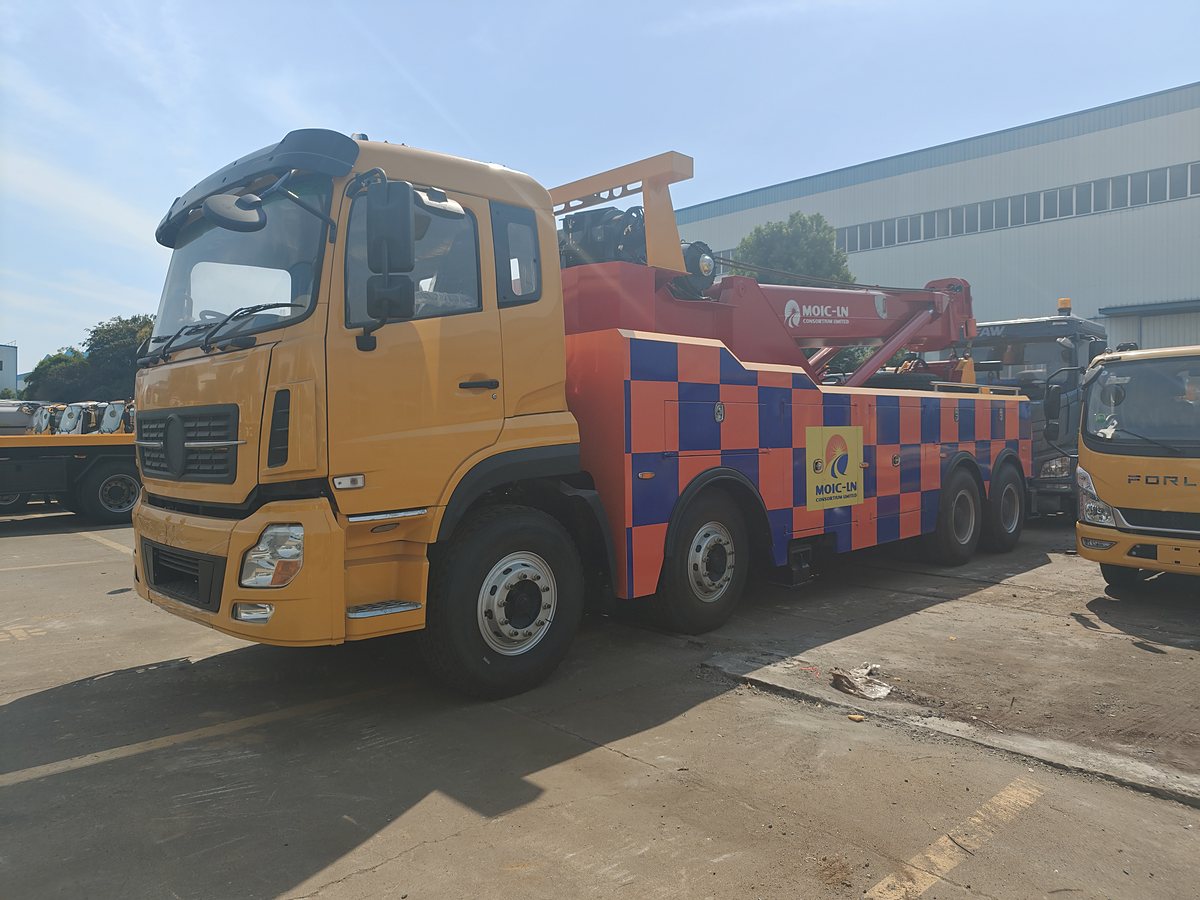
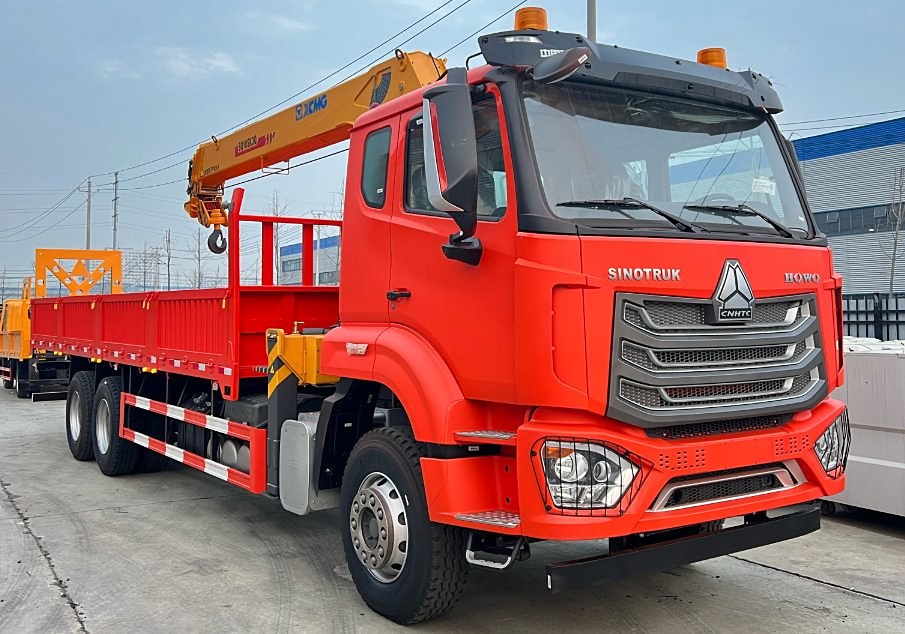
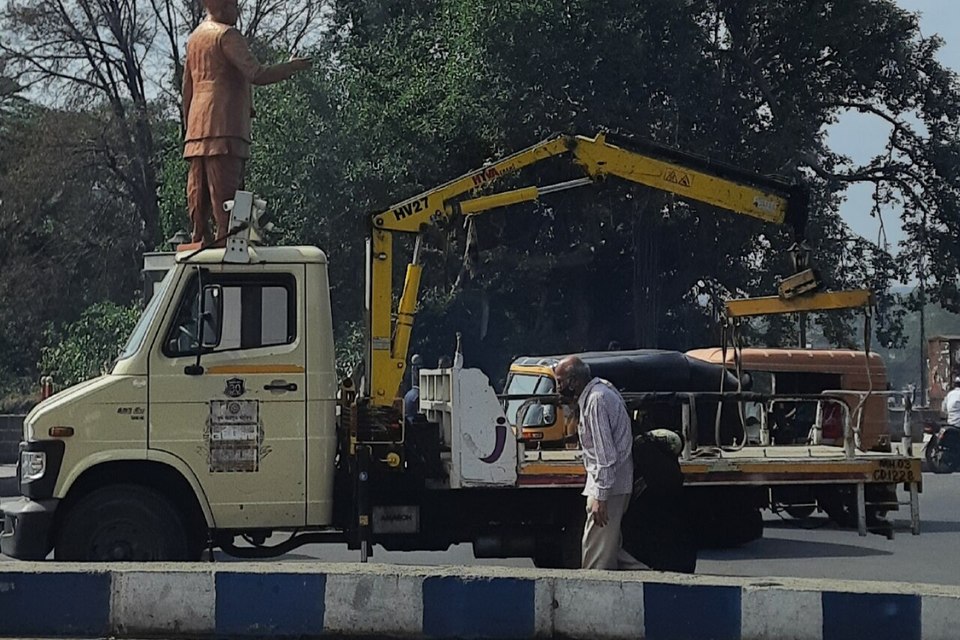
The operational core of the clause, detailed in Rising Kashmir's 25 October report, is a standing rescue capability: every EPC contractor must maintain and operate a round-the-clock vehicle rescue post, keep at least one mobile crane with the capacity to lift a truck of 30,000 kg gross vehicle weight, promptly clear damaged vehicles and debris from the carriageway, and report accidents to police immediately. Each accident must also be investigated within 15 days by a qualified safety auditor under Section 135 of the Motor Vehicles Act, 1988, with the analysis published on the authority's portal. Short-term remedial measures count as part of the contractor's baseline obligations, while long-term fixes are paid as a change of scope — and where design deficiencies triggered them, the authority recovers an additional 2 per cent of the cost as damages.
The reform lands in one of the world's deadliest road environments: MoRTH figures cited by Business Standard put India at 177,175 road-accident deaths in 2024. The new model agreement is part of a wider tightening of the EPC framework — the permissible subcontracting ceiling drops to 30 per cent of the contract price from 49 per cent, performance-security requirements are now tiered to the contractor's rating, and work is automatically de-scoped if right of way is not handed over within 270 days of the appointed date.
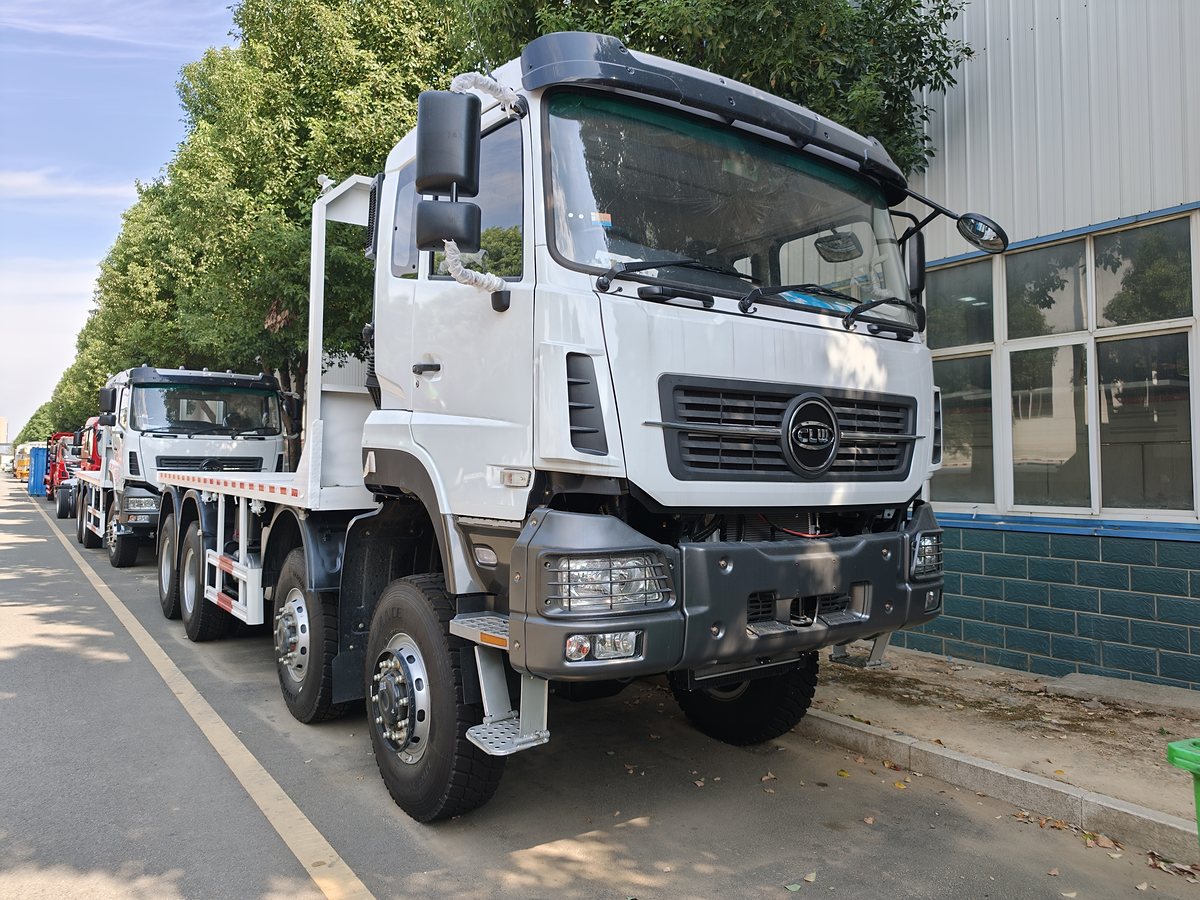
For equipment suppliers, the practical reading is that crash response has become a contractually mandated fleet line rather than an ad-hoc hire. India's national-highway programme is delivered through hundreds of concurrent EPC packages, and each one now needs, on day one, at least one machine that can lift a fully loaded truck clear of the carriageway — a heavy recovery vehicle or a truck-mounted crane of the appropriate rating — plus the flatbed carriers, debris-handling and crew-support equipment that keep a rescue post credible around the clock. Because the obligation sits with contractors rather than road agencies, procurement decisions move into the private construction sector, where purchase, rental and subcontracting choices will be driven by the cost of the penalties above.