The agreement was signed on 3 November between the Ministry of Sanitation, Hydraulics and Hydrocarbons and the Jospong Group, the Ghanaian environmental services conglomerate that operates in Guinea through a dedicated entity, Zoomlion Guinea Integrated Waste Solutions Limited. The contract covers Greater Conakry and is framed as part of Guinea's Simandou 2040 development programme. The ministry expects 2,000 to 2,500 direct jobs in the first year across collection, equipment operation, industrial maintenance, recycling and material processing, and put its ambition plainly: "We want to develop a new generation of sanitation professionals who are trained, equipped, properly paid, respected and proud of their work."
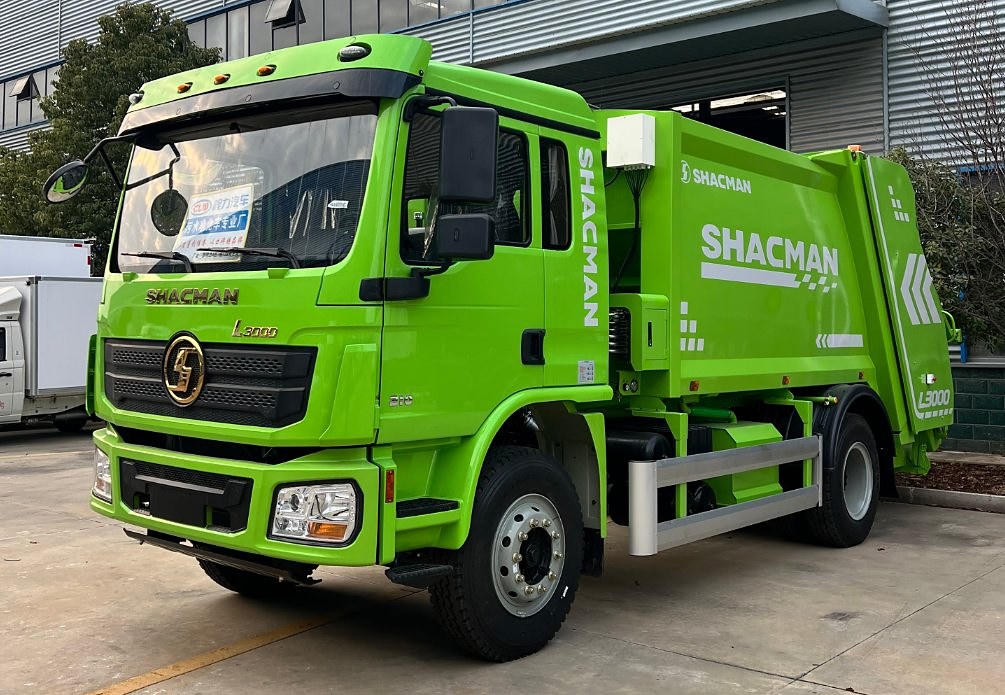
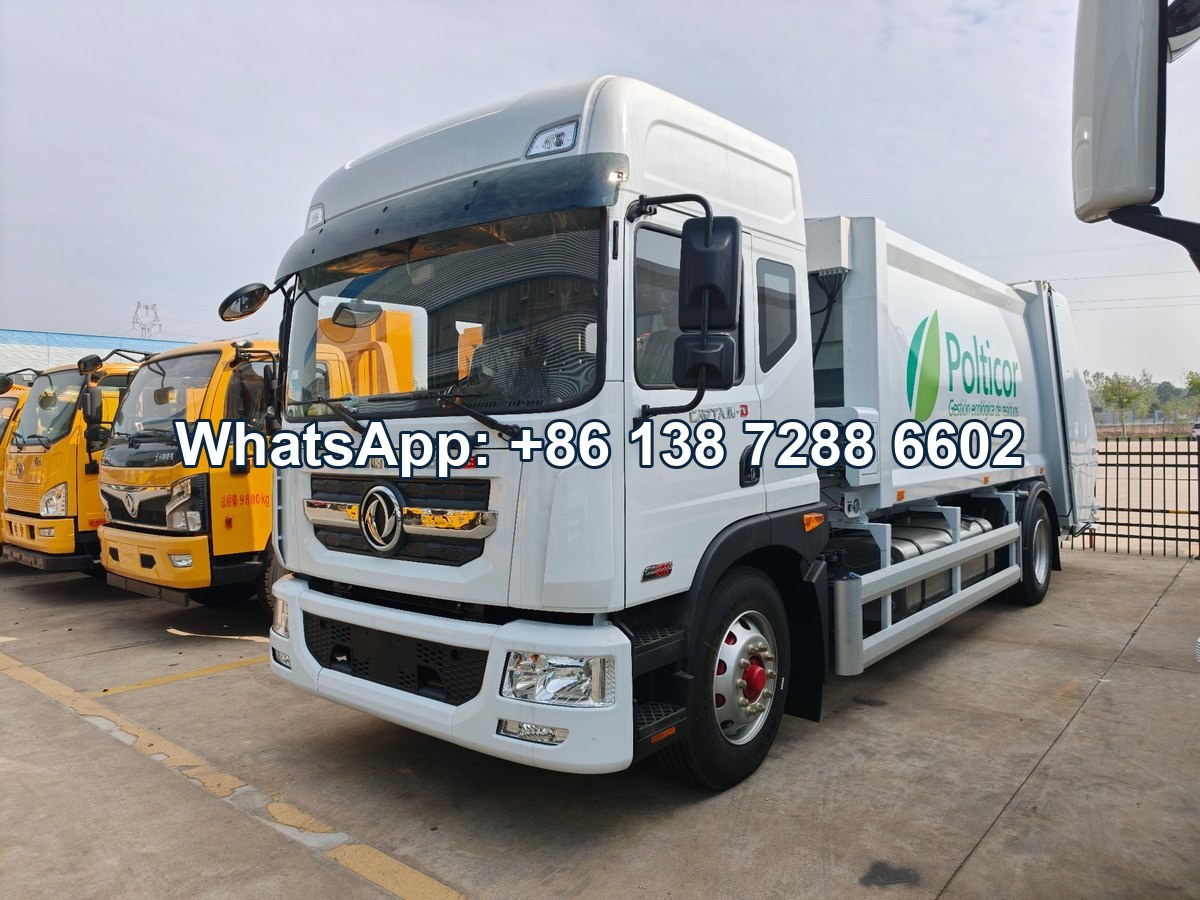
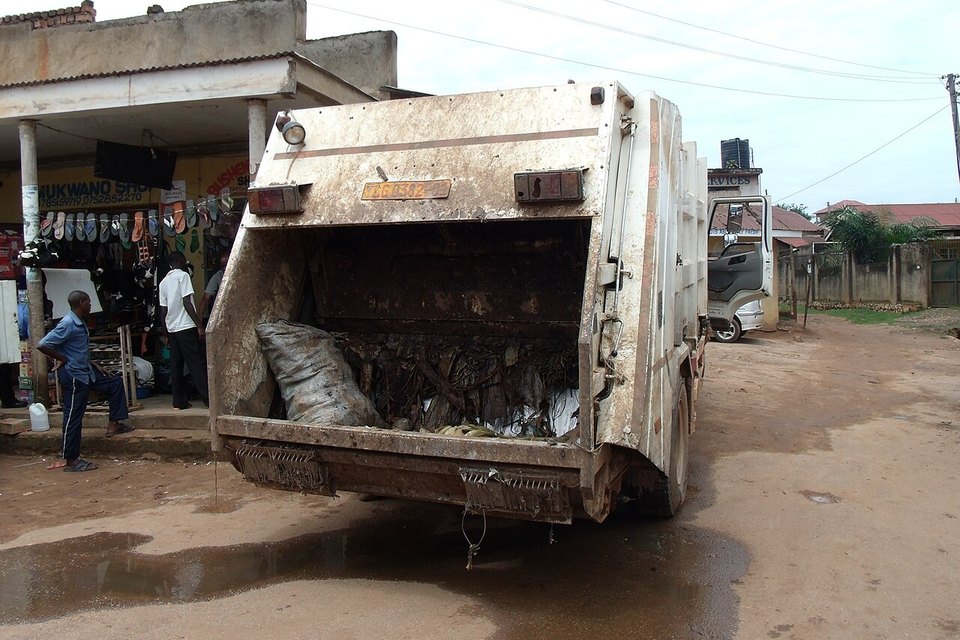
Phase one is the fleet part of the deal: the ministry describes "the deployment of more than 250 vehicles and pieces of equipment across different categories to strengthen waste collection, consolidation, transportation and transfer." In fleet terms that reads as a mixed order — rear-loading compactors for street collection, container-handling units feeding the sorting-and-transfer stations the operator already manages across its network, and transfer tractors hauling consolidated loads out of the city. Company materials describe the scope as including ZTT sorting-and-transfer stations, collection organised around Conakry's major public markets, and haulage to the Baritodé landfill.
Phase two is where the financing gets unusual. Jospong will fully fund a 20-hectare industrial waste recycling complex at Kouriah, with construction due to start the week after signing. The plant turns collected material into saleable products — waste bins, school desks and benches, towels, fertilisers and environmentally friendly paving slabs — and the resulting revenue is shared between the government and the company to cover operating costs. An operator that carries the capital and earns from the output has a structural reason to buy on total cost of ownership: every litre of fuel and every day of downtime comes out of its own margin.
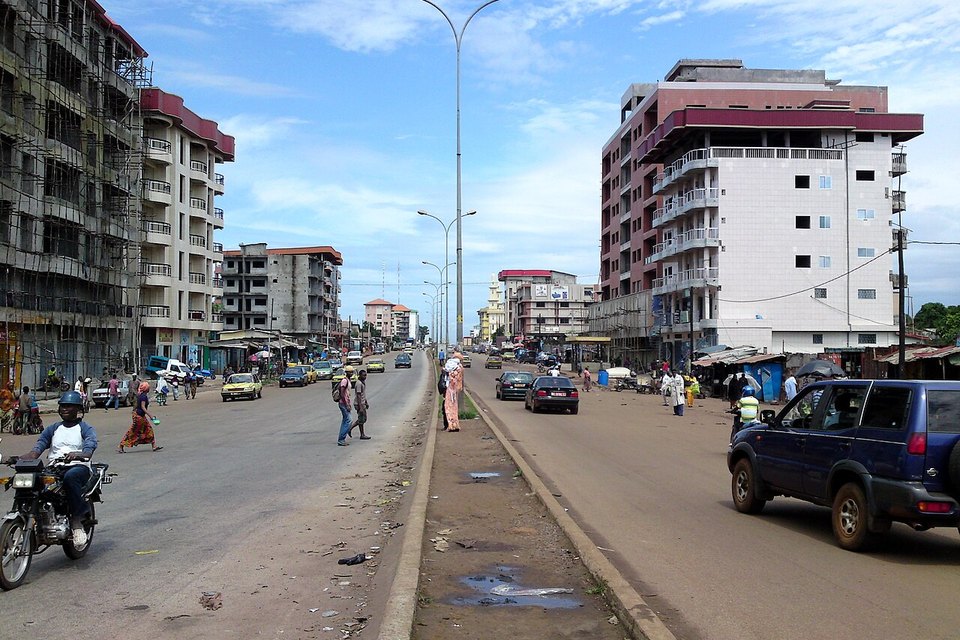
The timing is not accidental. Rehabilitation work started at the former Dar es Salam landfill one day before the signing. The site took a large share of Conakry's municipal waste for nearly four decades and holds more than 7 million tonnes of accumulated rubbish; it was closed after a landslide there killed around 30 people. With the capital's main dump gone, collected waste has to travel further, which makes the transfer layer — and the trucks that serve it — the binding constraint. Conakry generates more than 2,500 tonnes of municipal waste a day and has historically collected only 44 to 55 percent of it, according to figures provided by the company.
For equipment suppliers the structural point is who signs. The procurement counterpart here is an operator running a multi-year contract, not a municipal tender office buying one batch — which converts a sanitation budget into scheduled fleet demand with service obligations attached. Jospong operates across 29 countries and signed a comparable integrated waste concession with The Gambia in late October, so a setup proven in one capital tends to be redeployed to the next. Guinea itself buys left-hand-drive vehicles and sits in a French-speaking West African market where municipal fleet renewals have historically run on donor-funded cycles.
What is not public matters as much as what is. Neither the brand split of the 250-plus units, nor the delivery schedule, nor unit values, nor phase-one financing terms have been published; the ministry statement defines scope, not suppliers. For exporters the practical watchlist is short: equipment procurement notices over the coming quarters, the first delivery milestones of phase one, and the Kouriah construction start, which would signal the second wave of demand tied to the processing plant.