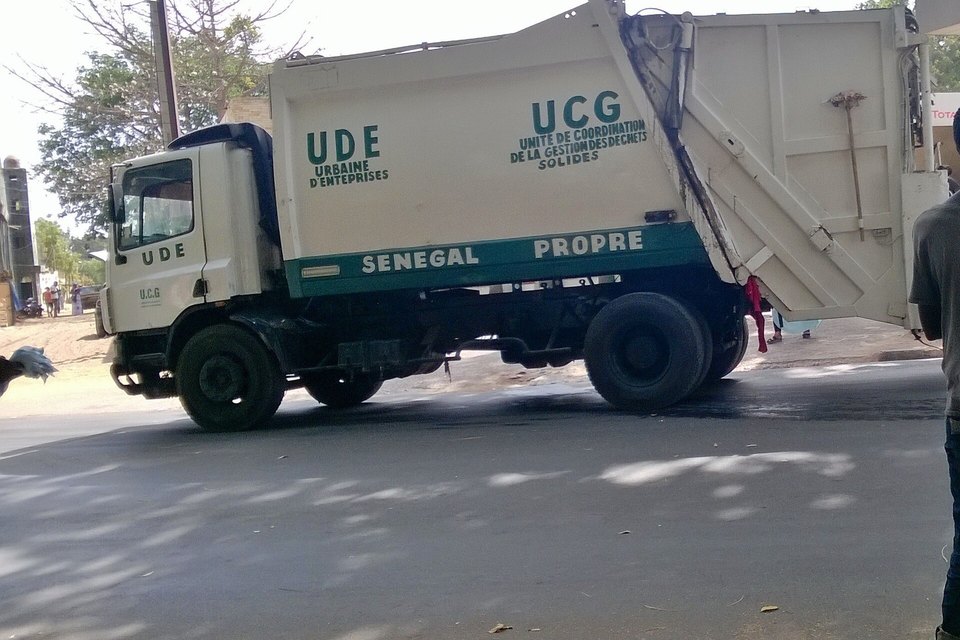
The agreement was signed on Wednesday, 28 October at the State House in Banjul, with construction officially launched the same day at a sod-cutting ceremony in Tambana, Brikama in the West Coast Region. Both events were held under the patronage of President Adama Barrow, who attended as special guest of honour. The concession agreement was signed for the Gambian government by the Ministry of Environment, Climate Change and Natural Resources and the Ministry of Finance and Economic Affairs, and by Dr Joseph Siaw Agyepong, Executive Chairman of the Jospong Group of Companies, Zoomlion's parent.
The scope is what makes the deal unusual. Under the first phase, the concessionaire will finance, design and build a mechanical biological treatment (MBT) plant and transfer stations, and will provide the municipal solid waste collection and transportation services feeding them. The same phase covers the decommissioning of the Bakoteh and Mile 2 dumpsites and the recovery of materials such as plastics and metals. A second phase, to begin after the project's second anniversary, will extend the programme into liquid waste management and to other regions of the country. In other words, one contract spans the whole chain: kerbside collection, transfer, treatment and materials recovery.
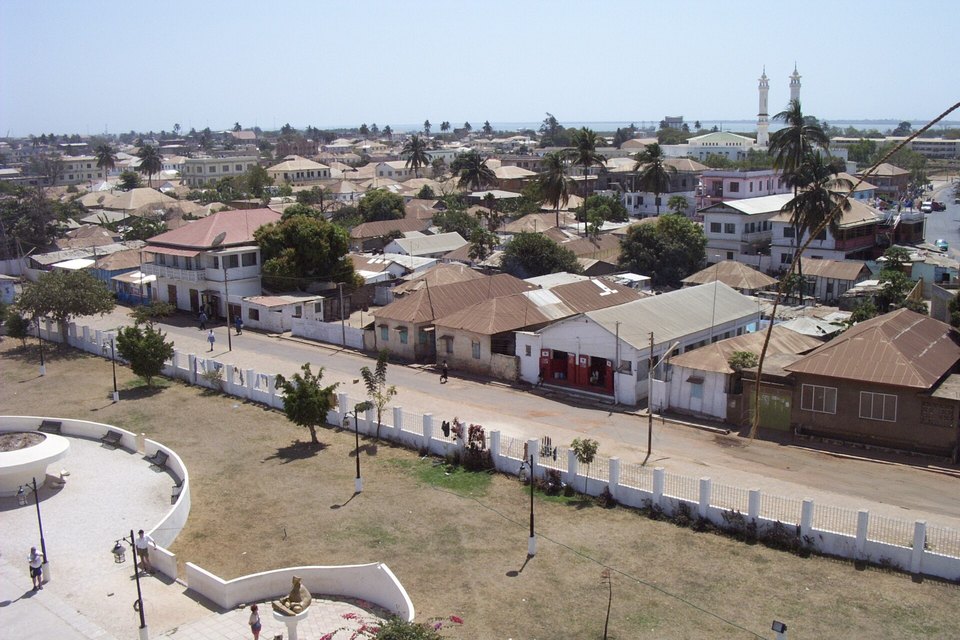
The operator behind it is not a newcomer. Jospong Group chairman Agyepong told the ceremony that Zoomlion has grown from a single manual tricycle in 2006 to a group working in 29 African countries with more than 75 subsidiaries, 10,000 core staff, over 250,000 job opportunities and 38 waste treatment plants. He said the Gambian partnership began with a conversation on a flight with Vice-President Muhammad Jallow, and that a Gambian delegation visited Ghana to inspect the group's facilities before the memorandum of understanding and contract were finalised. He linked the project to President Barrow's YIRIWAA National Development Plan and pledged that "no local player will be pushed out", pointing to partnerships with local companies, including NIRO led by Chief Executive Officer Sulayman Cham, for construction, procurement and maintenance. The Gambia's Environment Minister Rohey John Manjang called the agreement a significant step within the National Assembly's priorities, and National Environment Agency Executive Director Dawda Badgie described the launch as a historic milestone following the agency's July 2025 national dialogue on waste management.
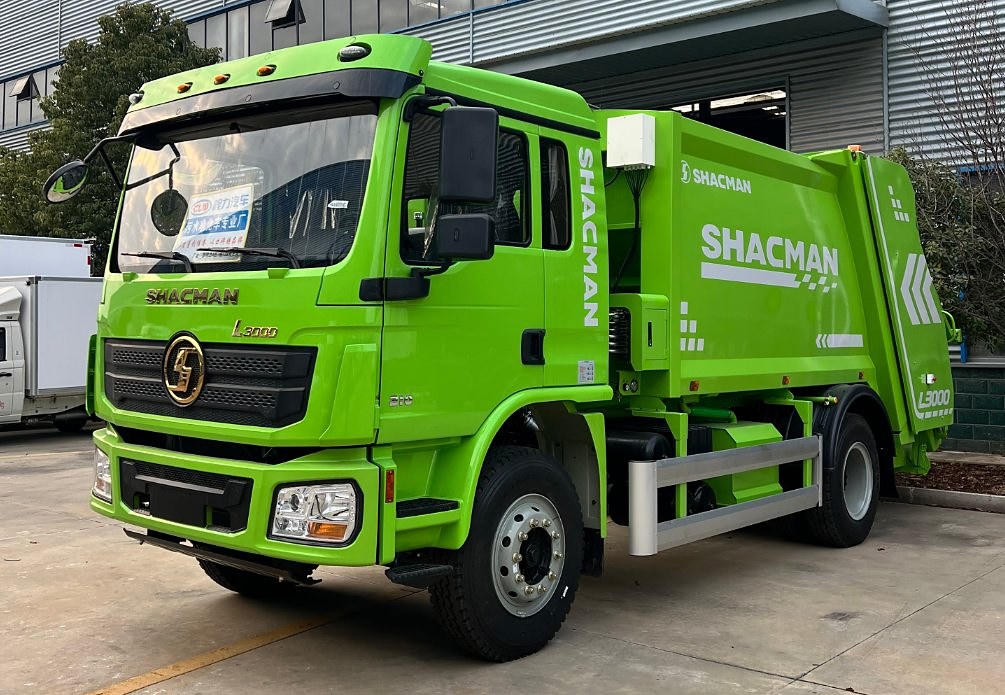
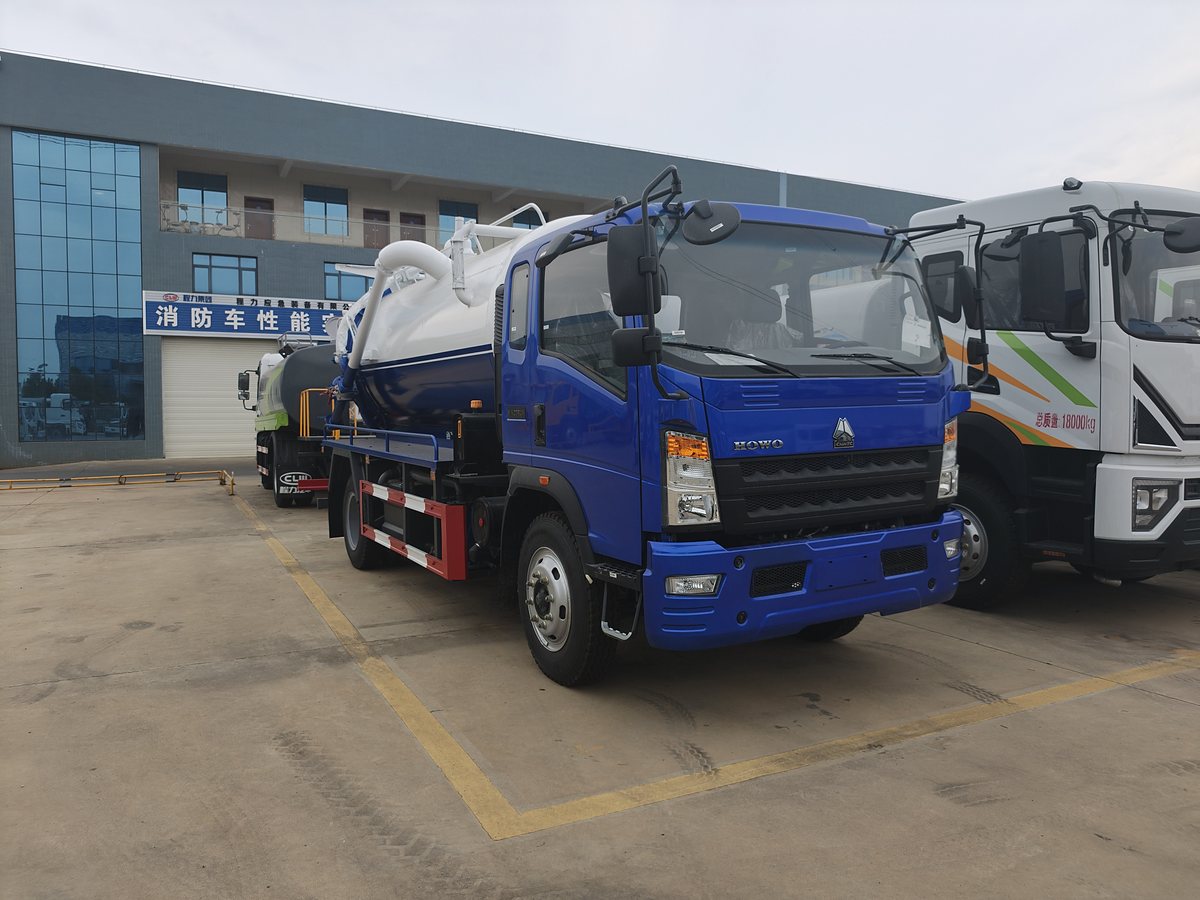
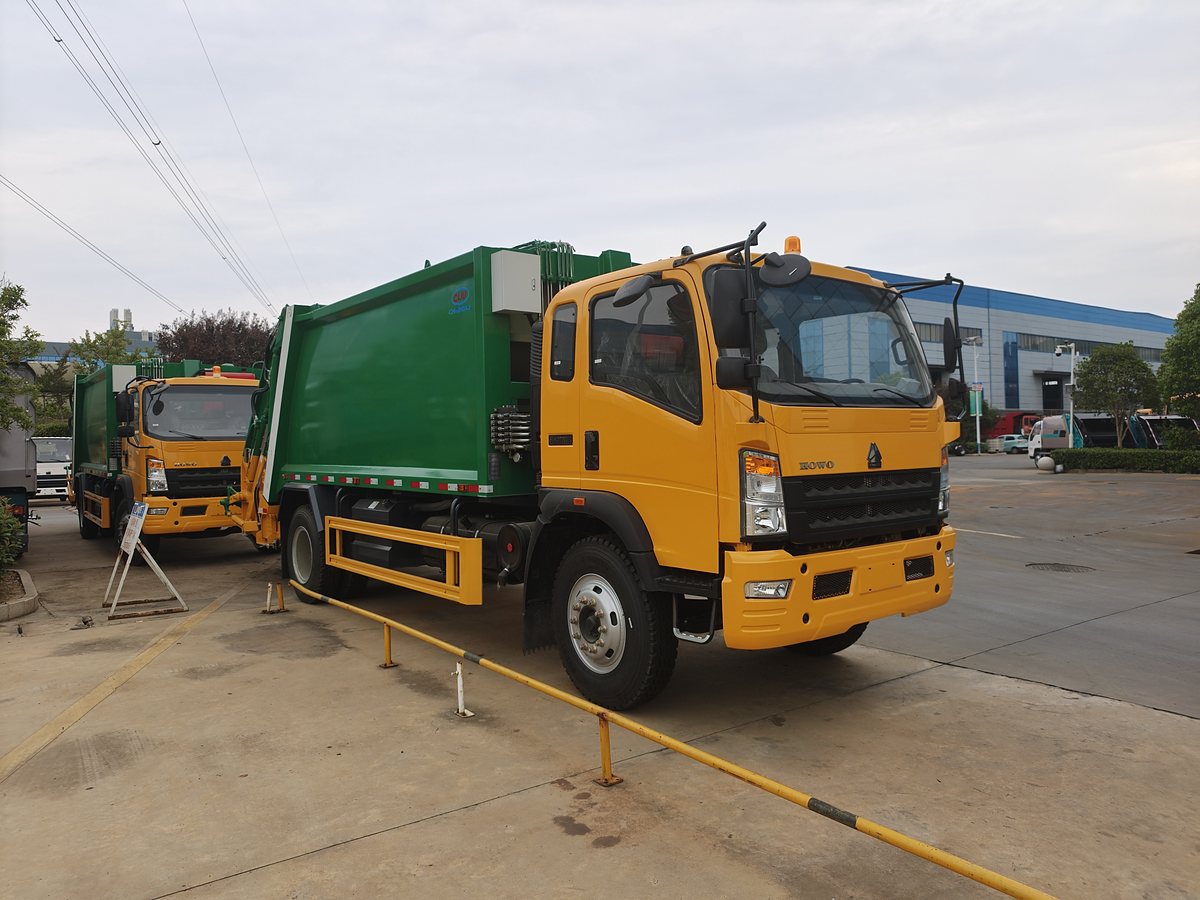
What does a concession of this shape actually buy? The vehicle mix follows the waste chain. Collection routes run on rear-loading compactor trucks in dense urban neighbourhoods, with smaller skip and hook-lift units serving markets and institutional customers. Transfer stations add the next tier: hook-lift and skip-loader trucks shuttling containers, and transfer tractors moving compacted loads from neighbourhood stations out to the treatment plant. The treatment plant itself generates yard tractors and internal handling equipment, while the phase-two liquid waste programme points to gully emptiers and sewage suction tankers later in the contract. Crucially, this demand is contracted rather than episodic: a concessionaire that has committed to service levels over years has to maintain, replace and expand its fleet on a schedule — which is exactly the kind of buyer that orders in batches rather than single units.
For exporters, three practical notes follow from the Gambian setup. First, The Gambia is a right-hand-drive market, so configurations and spare parts have to be specified accordingly — the same logic that applies across neighbouring English-speaking West Africa. Second, the buyer is a private operator judged on service delivery, so procurement weighs uptime, fuel economy and total cost of ownership, backed by parts availability and service response, rather than the lowest sticker price alone. Third, the model travels: Zoomlion's stated footprint spans 29 African countries, and integrated waste concessions of this kind are spreading across the continent. A supplier that can support an operator's fleet across several of these markets — trucks, bodies, parts and training — is positioned for the next concession, not just this one.