The venue was the Nelson Mandela Bay Stadium in Port Elizabeth, South Africa, and the company said nearly 700 people attended, including distributors, key accounts and industry partners from 42 African countries. The choice of South Africa was not incidental: the company's South African plant was opened to visitors during the conference and a regional training centre was unveiled alongside it, so the sales event doubled as an inspection of local capability.
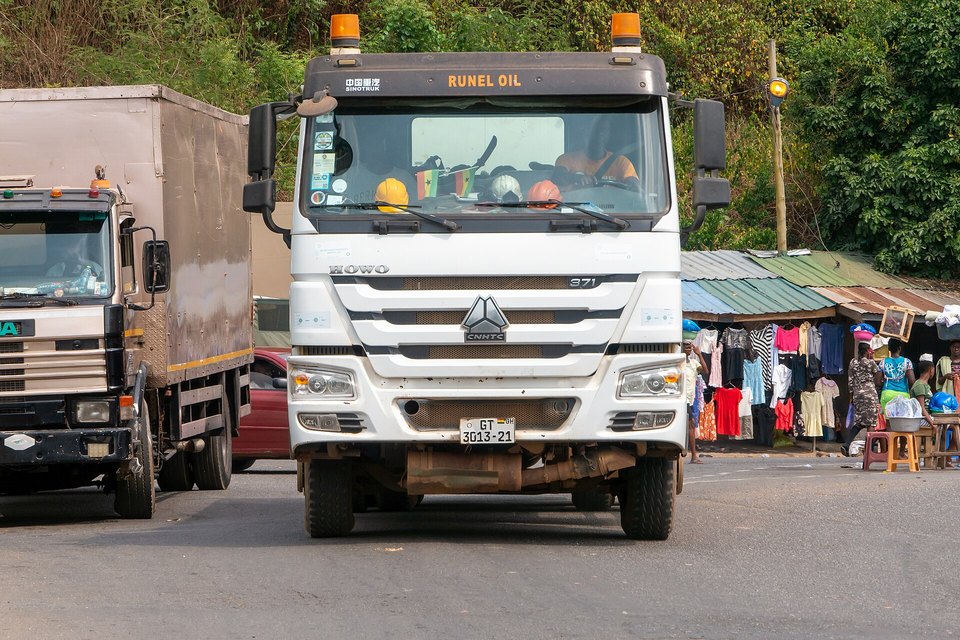
The numbers disclosed at the conference were unusually concrete for the region. Chang Rui, chief executive of BAIC Group and chairman of BAIC FOTON, and customer representatives completed the delivery of 1,000 heavy trucks in Ghana and 800 in Zambia. Wu Zongtian, president of the international division, then signed new-energy projects covering 200 units in Mozambique, 100 in Ethiopia and 100 in Kenya, plus a batch project in Zambia, aimed at mining and agriculture. Two new heavy-truck models were launched for the continent at the same event, together with a plug-in hybrid pickup.
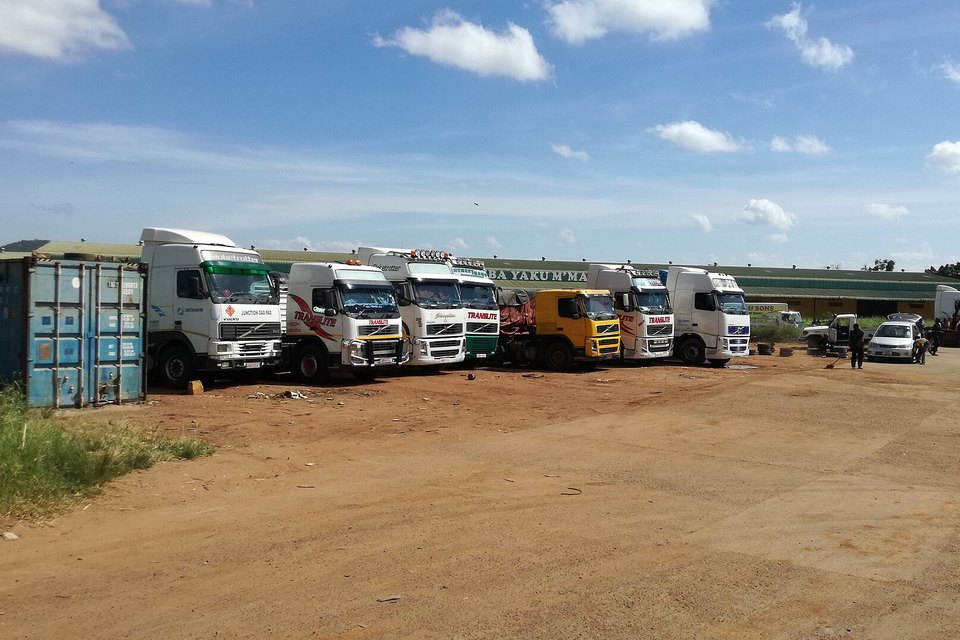
Behind the order book sits a channel rather than a shipment. The company says it now covers 54 African markets through more than 300 authorised service outlets and works with 16 local factories on the continent; the six agreements signed with Tanzanian, Kenyan and Zimbabwean partners extend that network. Vehicle-purchase support is being handled with WesBank, one of the region's larger vehicle-finance houses, and a spare-parts warehouse is being set up with DP World. Fuel, natural gas, battery-electric and plug-in hybrid drivetrains are all planned to run through the same channel.
For operators, the practical difference is where the risk ends up. A 1,000-unit order implies a parts stocking policy, a service network and a resale market that a 20-unit order never requires. It also implies that the body — tipper, tanker, flatbed, crane — is increasingly fitted locally onto a completely built-up chassis rather than imported as a finished special vehicle, which shortens the delivery cycle but shifts responsibility for fitment, wiring and axle-load distribution onto the local partner.
Not everything was disclosed. Per-unit values, financing terms, delivery schedules and the identity of the Ghanaian and Zambian customers were not published, and all figures above are the company's own. For scale on how fast this channel is moving, the same release put group exports at more than 168,500 units in January–September 2026, up 43.6 per cent year on year, across more than 140 countries and regions.