The Manila Times reported on 26 October that AC Logistics Holdings Corp. and its subsidiary Glacier Megafridge Inc., in which the holding keeps an 84-percent majority, have marked the start of construction of GRECO (Green Rise Engineered Cold Chain Logistics) in Balintawak, Quezon City. The site sits where EDSA, Metro Manila's main artery, meets the North Luzon Expressway — the junction through which produce and protein from Central and Northern Luzon enter the capital region's retail and food-service networks. "GRECO marks a significant step in realizing AC Logistics' ambition of expanding cold storage connectivity across the Philippines," said Erry Hardianto, the group's president and CEO. Glacier Megafridge president Archie Yan called it a step toward the future of the country's cold chain.
The plant itself is a statement of where cold storage is heading. It is designed around roughly 25,000 automated pallet positions, served by an automated storage and retrieval system using 4-way shuttle technology — which removes forklifts from inside the freezer chambers, keeps pallet tracking under system control and lifts inventory accuracy and throughput. The building is specified with natural refrigerants and a staged renewable-energy strategy that includes future rooftop solar, and it targets commercial operation by February 2028, subject to construction progress and regulatory approvals. For a market where most existing cold rooms are conventional forklift-served warehouses, an ASRS facility of this scale is a new benchmark.
The private project is not an outlier — it sits inside a buildout the public sector has been pushing through the Philippine Food Chain Logistics Master Plan 2023-2033. In October alone, the Department of Agriculture turned over PHP 176.5 million of farm infrastructure in Camarines Sur, including four solar- and wind-powered modular cold-storage units worth PHP 45.5 million in San Jose, Garchitorena, Lagonoy and Tigaon — each 40-foot container running at 1-10°C on 21 kW of solar, a 3-kW wind turbine, a 160-kWh battery bank and a 25-kW diesel backup. Bids for the first phase of the Clark National Food Hub in Pampanga — a 40-hectare complex with cold and dry storage, budgeted at PHP 1.9 billion — close on 3 November. And the trade department is fast-tracking I Squared Capital's US$2 billion commitment, which already covers Royale Cold Storage's expansion beyond Luzon into Cebu and Davao.
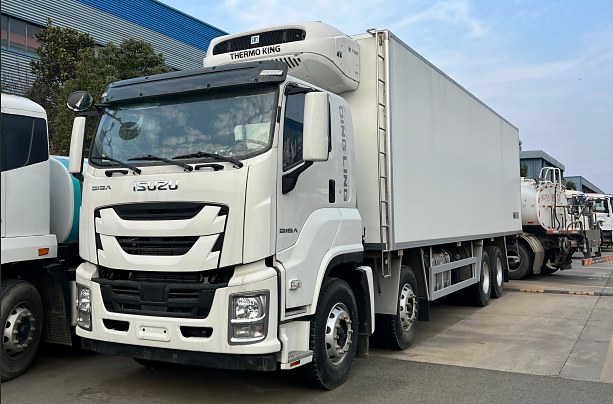
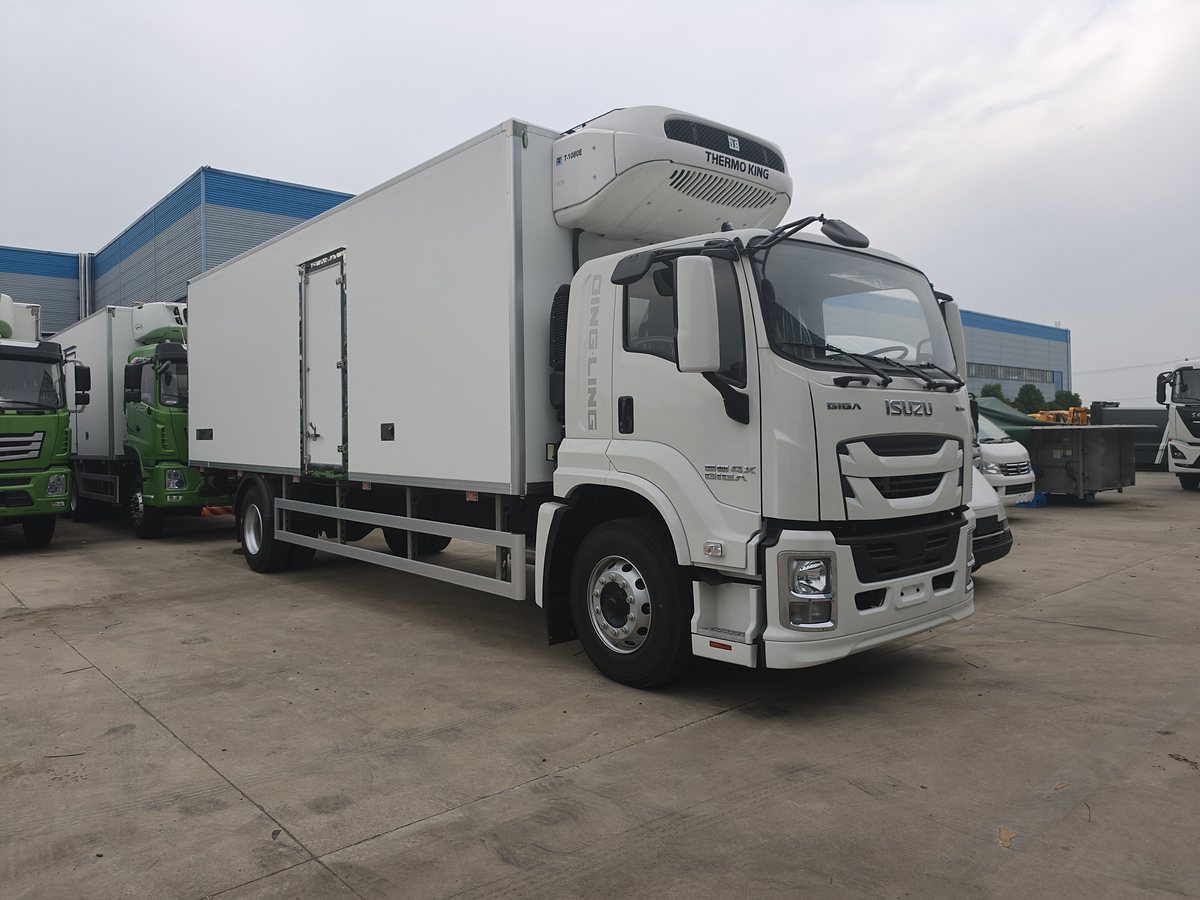
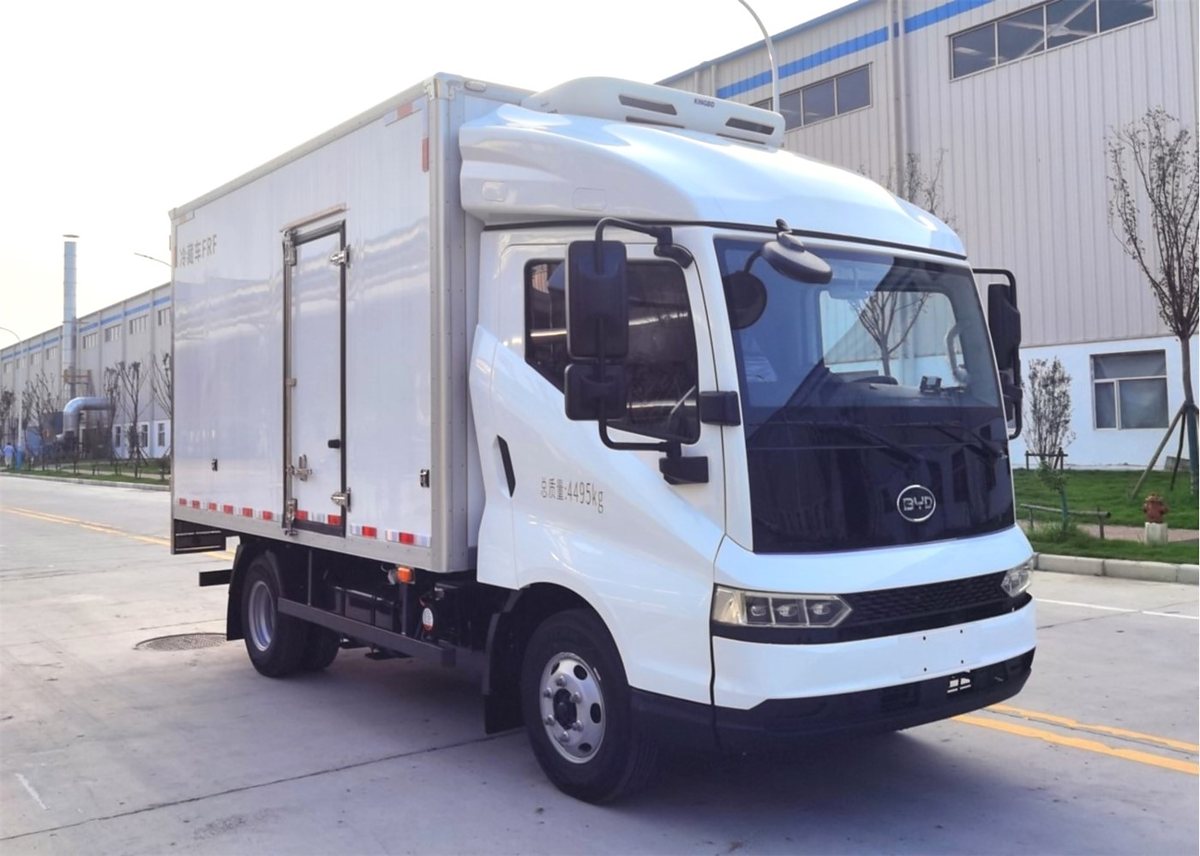
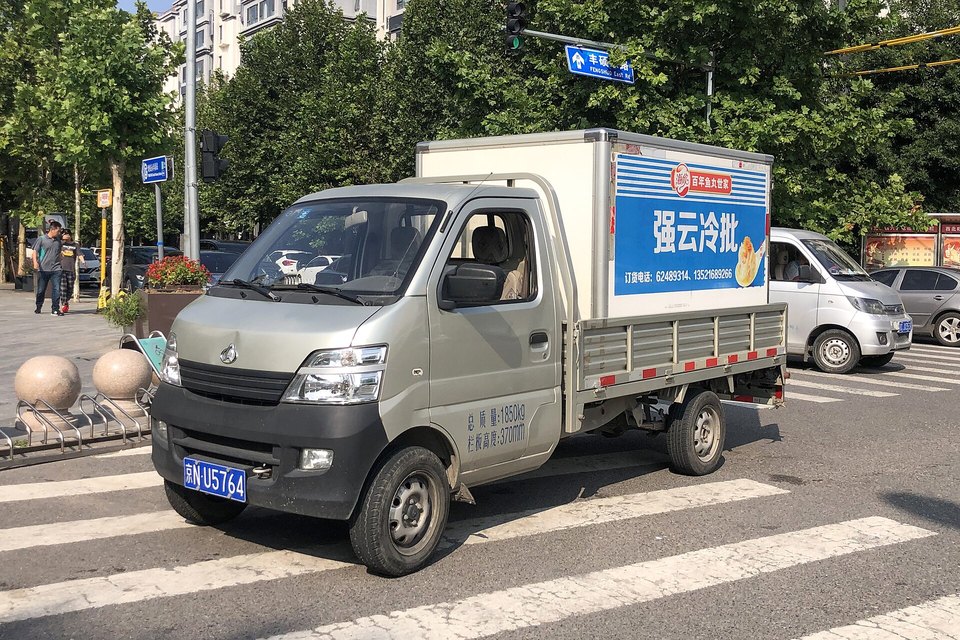
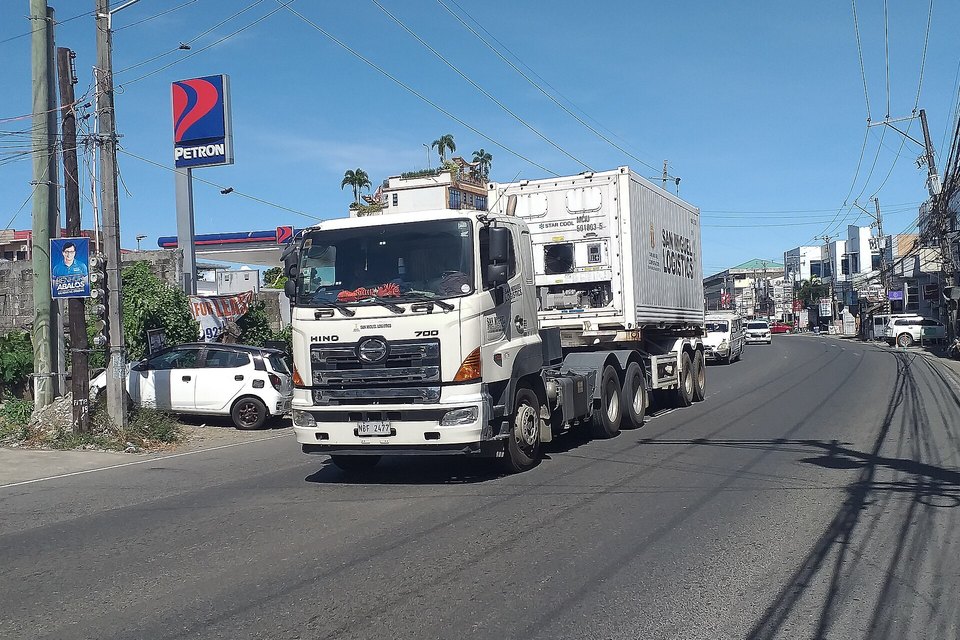
Cold storage is the fixed point of the chain; trucks are what connect the points, and the two grow together. A 25,000-pallet facility at the EDSA-NLEX junction will pull inbound reefer volume from Central and Northern Luzon — the 15-18-tonne corridor runs — and push outbound volume into Metro Manila's supermarkets, wet markets and food-service depots on 4-8-tonne city distribution trucks, with more frequent, smaller and more temperature-critical deliveries as automation raises turnover. The modular rural cold rooms do the same at farm gate: collection runs from barangay buying stations to the nearest cold node become regular scheduled work. Each new node on the map adds recurring demand for refrigerated trucks of both sizes rather than one-off equipment purchases.
For exporters, the Philippines is a right-hand-drive-free, left-hand-drive archipelago where the truck parc is dominated by Japanese brands and a dense local body-building industry that mounts insulated and reefer boxes on imported chassis. Chinese refrigerated-truck makers compete here on complete-vehicle price, box specification and delivery time, but organized buyers — and an Ayala-led joint venture with A.P. Moller Capital behind the country's most advanced cold store is exactly that — award fleets on total cost of ownership, parts availability and service response, not the sticker alone. Suppliers that pair competitive reefer units with local service footprints and financing support are the ones positioned for the fleet programs this buildout will generate through 2028.