The protocol was signed in Lima on 14 November 2024 and took effect after both governments confirmed their domestic ratification procedures. It upgrades an agreement that has been running since March 2010 — the first comprehensive free trade agreement China signed with a Latin American country. Two-way trade rose from US$6.4 billion in 2009 to US$50.4 billion in 2025. China is Peru's largest trading partner, largest export market and largest source of imports, and Peru is China's fourth-largest trading partner in Latin America; Xinhua, quoting Peru's foreign trade and tourism minister, put China's share of Peru's total foreign trade at 35 percent in 2025.
The revised chapters are rules of origin, customs procedures and trade facilitation, sanitary and phytosanitary measures, intellectual property, trade in services, temporary entry of business personnel, and investment. On goods, the protocol adds an electronic data-exchange clause and completes the conversion of product-specific rules of origin. It also sets out detailed provisions on answering clearance-related requests, exchanging information, clearing goods, clearing express consignments and clearing perishable goods. China's customs administration published revised origin-administration measures for the agreement on 30 October, according to the Ministry of Commerce.
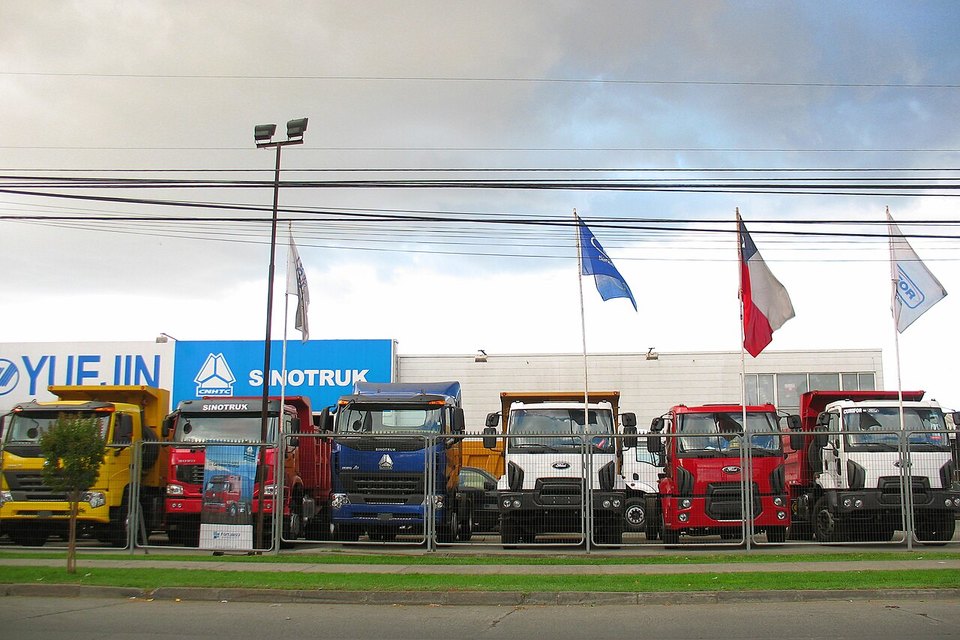
The standards and conformity assessment chapter is the one that touches vehicle imports most directly. It establishes a dedicated cooperation mechanism and an intended cooperation list, described by the ministry as a platform for mutual recognition of standards that is expected to cut trade costs. For a special vehicle, the binding cost in Peru has rarely been the duty line alone: it is the technical file, the test evidence and the per-model approval that decide whether a unit can be registered at all. A standing mechanism does not waive national requirements, but it gives importers and manufacturers a formal channel to argue equivalence model by model, instead of restarting the discussion with every shipment.
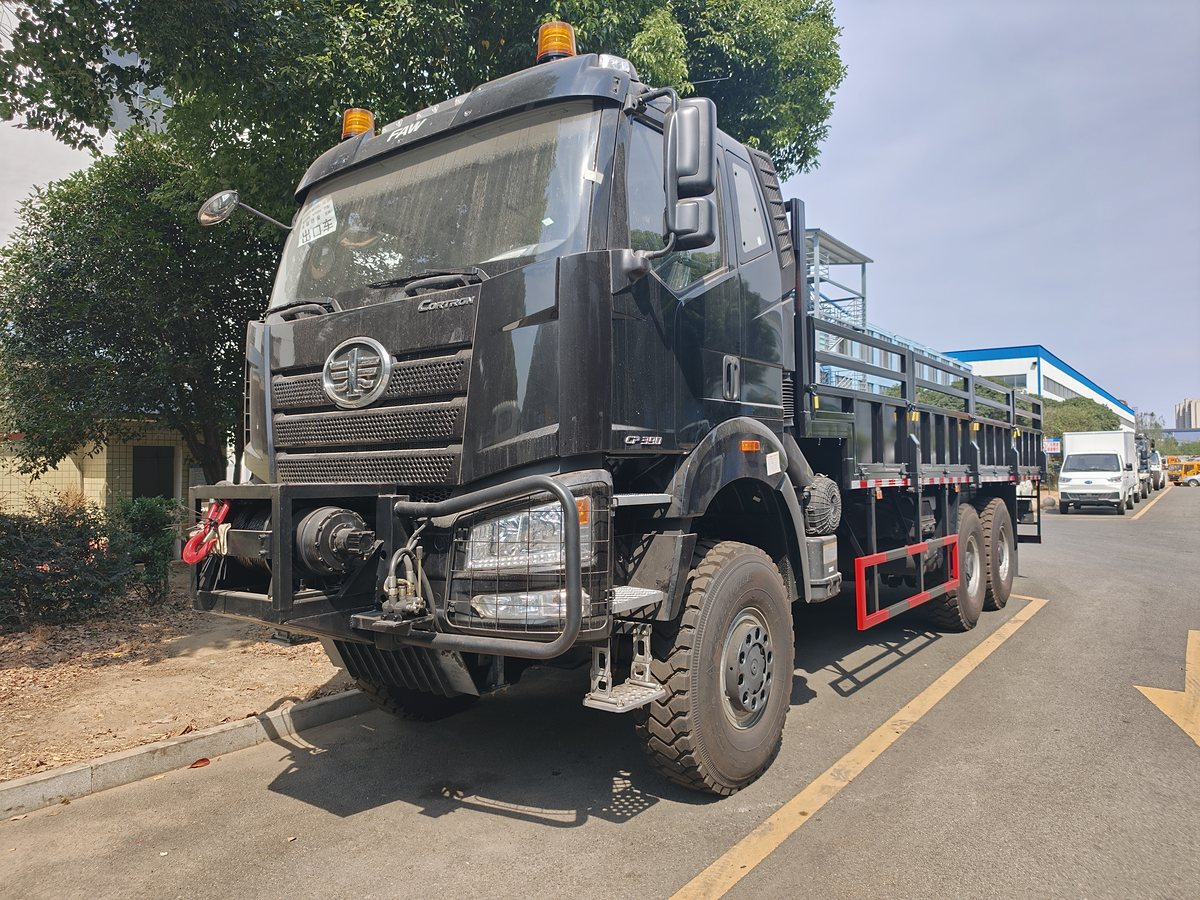
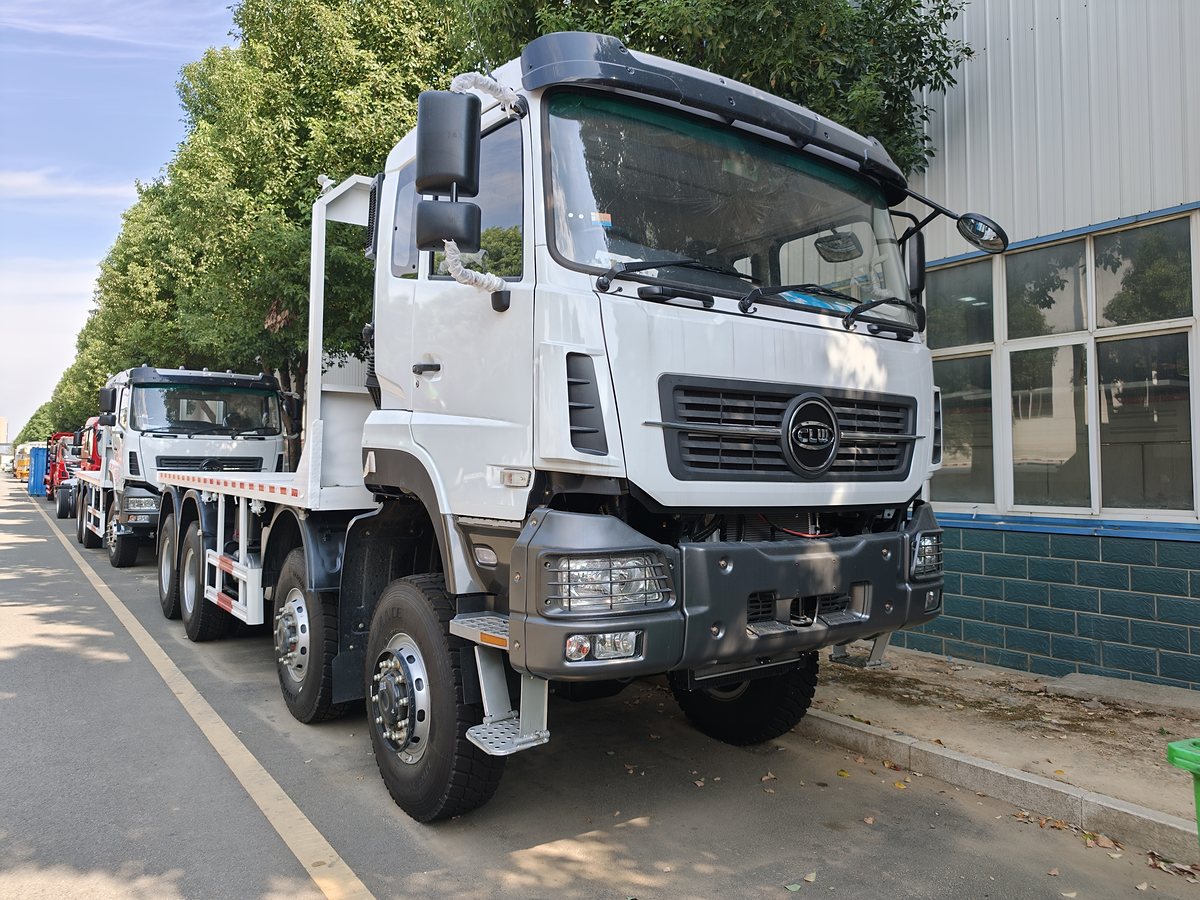
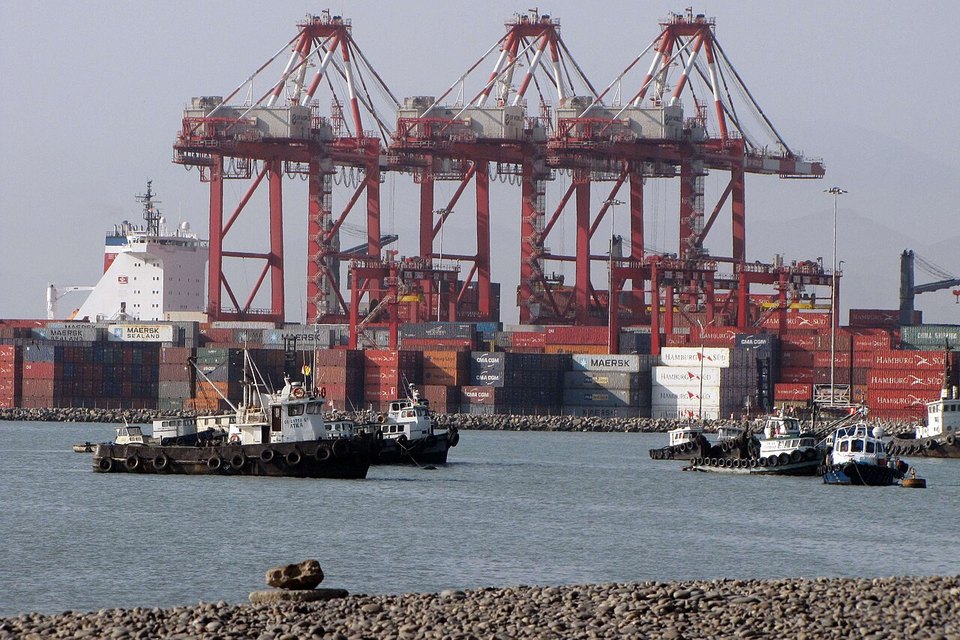
The new global supply chains chapter encourages multimodal transport and the development of foreign trade logistics corridors and infrastructure — language that sits alongside Peru's port and road build-out on the Pacific side. For fleet buyers the relevance is downstream of the quay: cargo that clears faster and moves on scheduled corridors pulls distribution capacity inland, and that demand is met by dropside and flatbed units sized to axle limits rather than to port throughput.
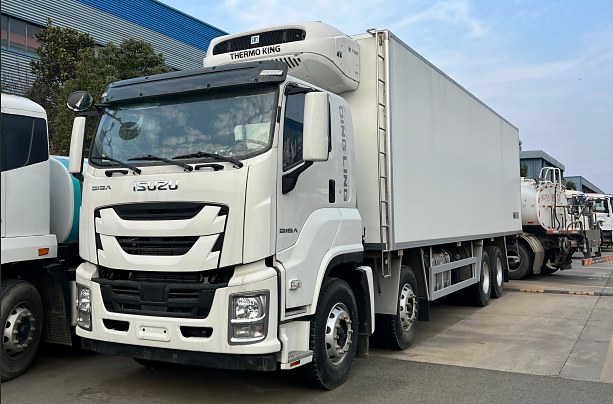
Perishable goods are treated separately in the customs chapter, with dedicated clearance provisions. Peru's export basket leans heavily on blueberries, avocados and table grapes, all of which lose value by the day in transit and all of which depend on a chain that only works if pre-cooling, cold storage, reefer trucks and port dwell are sized to the same throughput. Faster clearance at either end is worth little if the reefer capacity behind it is short; that is where 4.5-tonne city reefers and 18- to 32-tonne long-haul units are specified, and where the protocol's practical effect on cold-chain investment will show first.
Two limits are worth stating. The protocol does not replace Peru's national technical regulations: the cooperation mechanism is a route for recognition, not an automatic approval, and each model still needs its file in order. And the services and investment chapters only commit the two sides to start negative-list negotiations within two years of entry into force. The full text has been published on China's free trade area portal, fta.mofcom.gov.cn.