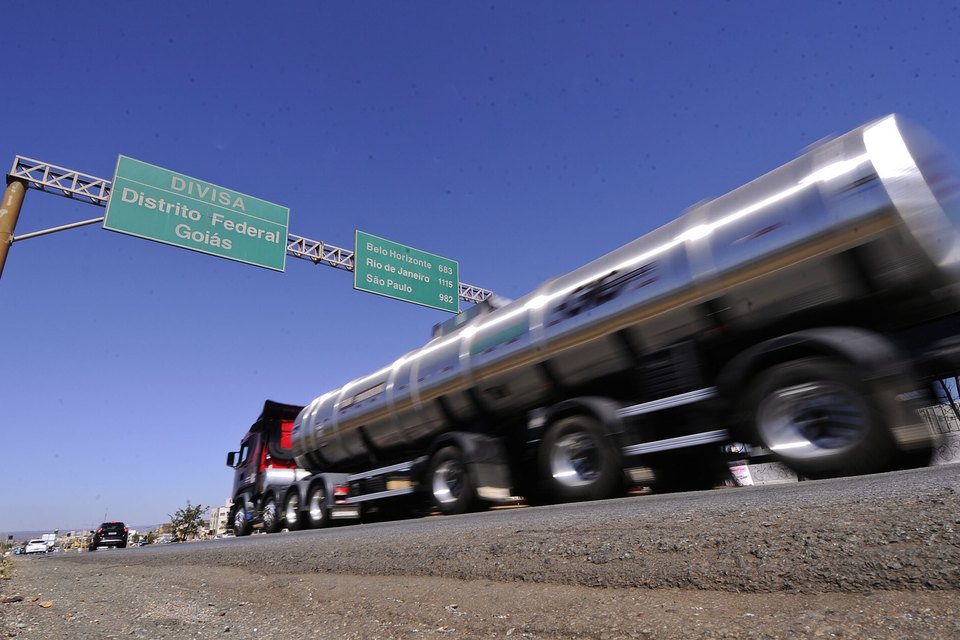
Valor Econômico reported on 16 October that Brazil's highway sector — which has run its largest-ever wave of concession auctions under the current administration — will hold four more tenders before the year ends. The sequence opens on 12 November with BR-163, the Mato Grosso–Pará corridor currently held by Conasa, whose contract is being renegotiated with the federal government and the Federal Court of Accounts (TCU); the final step in that process requires the asset to be re-offered to the market, and the new concession carries R$10.4 billion in construction and upgrades across its remaining 20 years. On 11 December the Concebra stretch — BR-060 and BR-153 between the Federal District and Goiás, now operated by Triunfo — goes through the same competitive process. Rota Agro Central, linking Cuiabá in Mato Grosso to Vilhena in Rondônia, follows on 17 December, and Rota 2 de Julho in Bahia, the heaviest of the four at R$15.7 billion, closes the calendar on 18 December.
The four road tenders sit inside a wider package: at least eight major infrastructure auctions — transmission, transport, airports and sanitation — worth a combined R$54 billion in investment, according to the same reporting. Analysts expect all four highway auctions to draw bids. Rodrigo Campos, a partner at Vernalha Pereira Advogados, said the highway market is more conservative than transmission but that all federal tenders should attract offers, with operators hunting for synergies; Bruno Aurélio of Demarest said he expects at least one bid in each. The caveats flagged are specific rather than political — the sheer size of Rota 2 de Julho, and Concebra's complicated regulatory history.
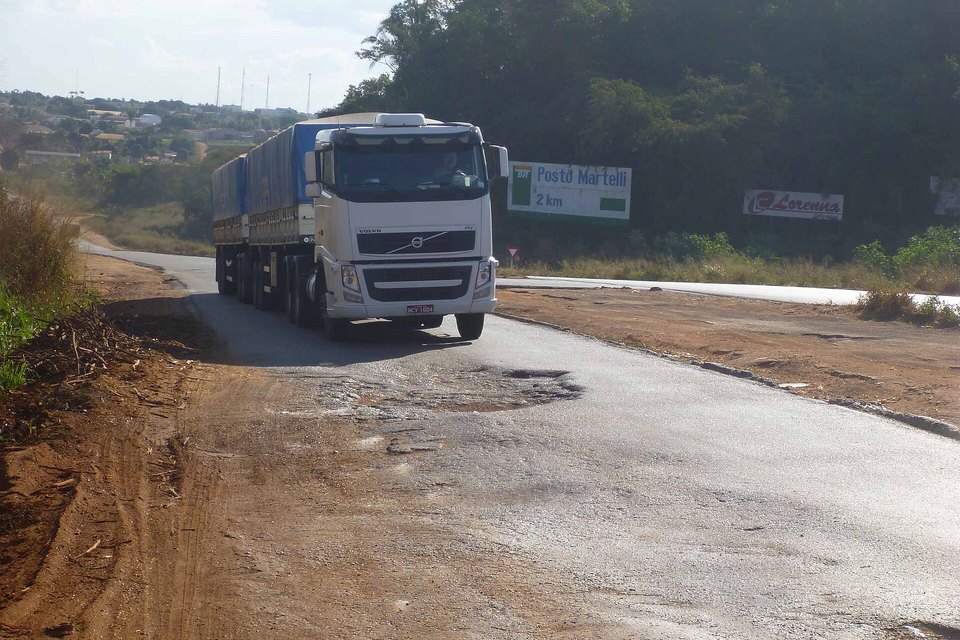
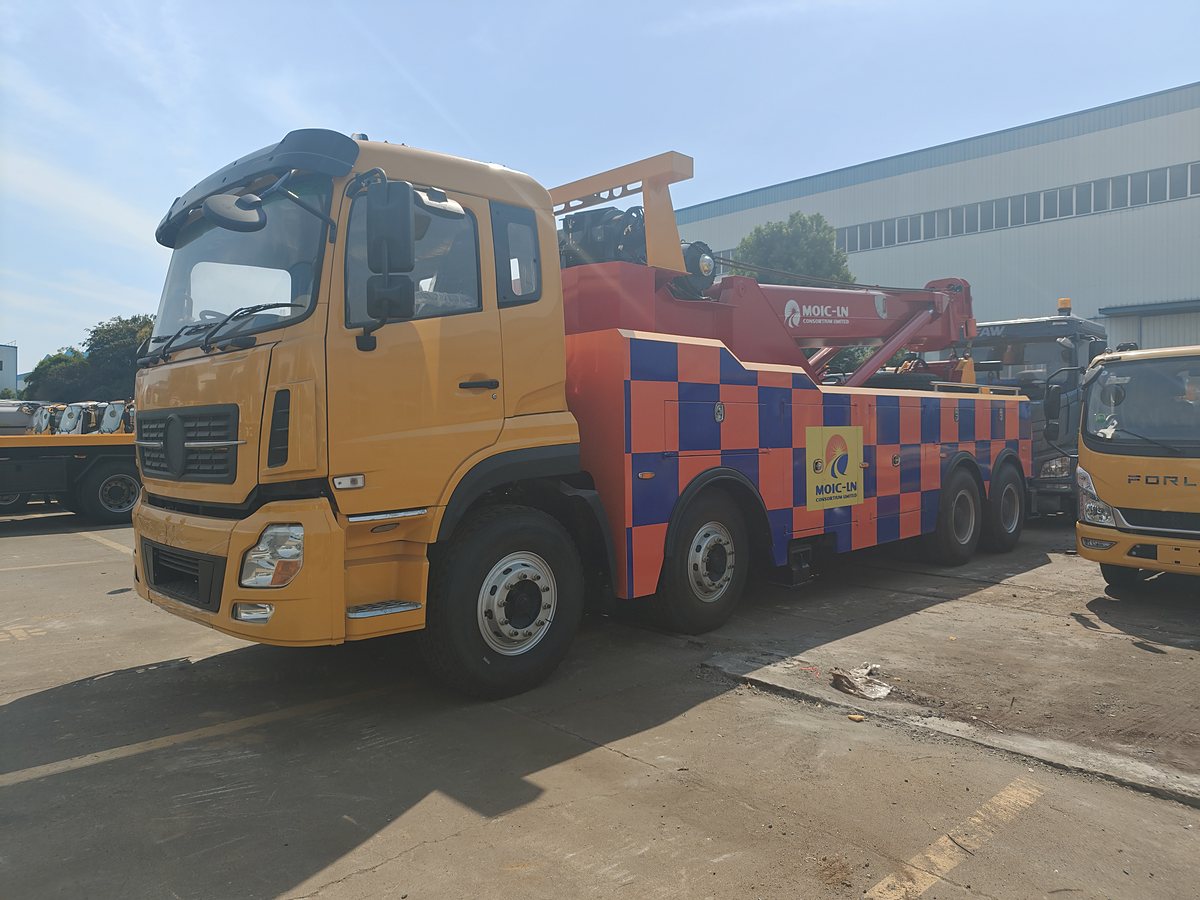
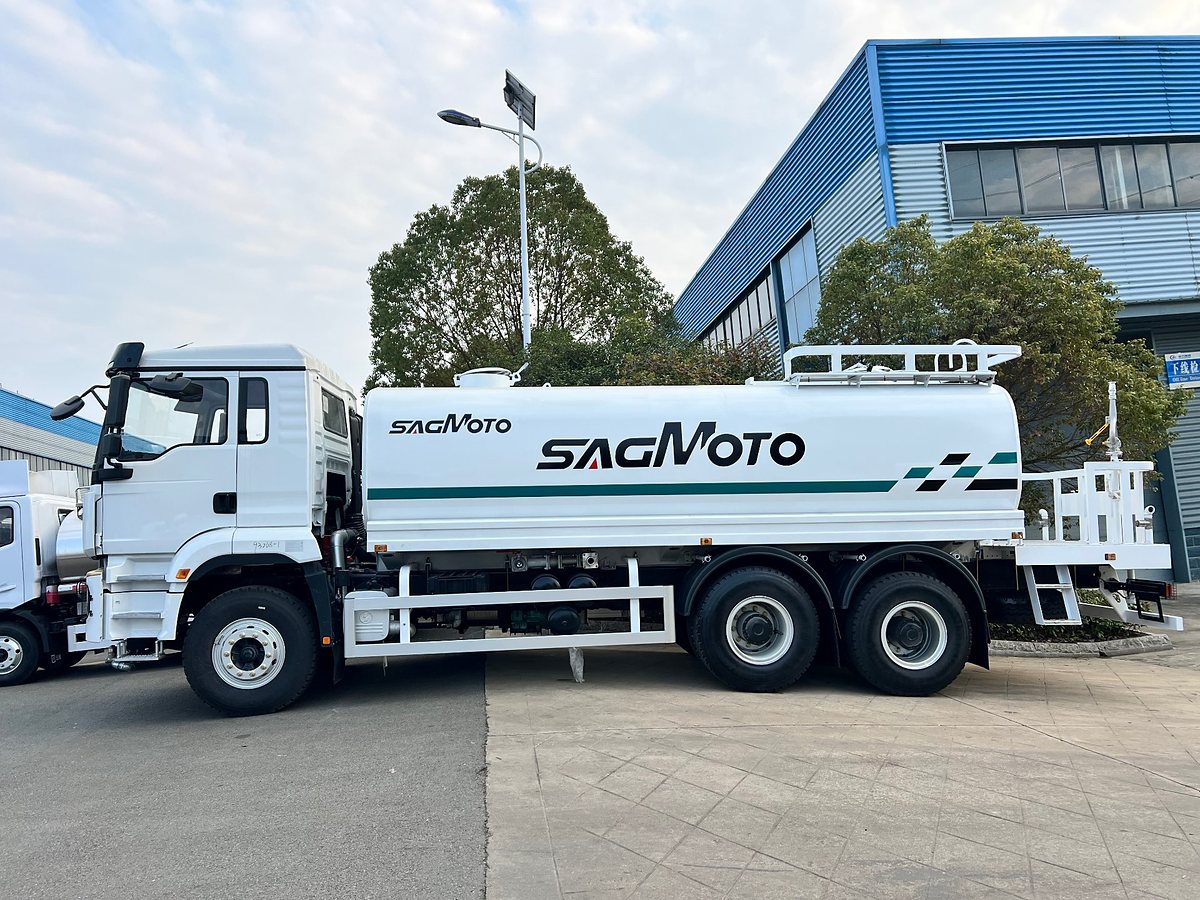
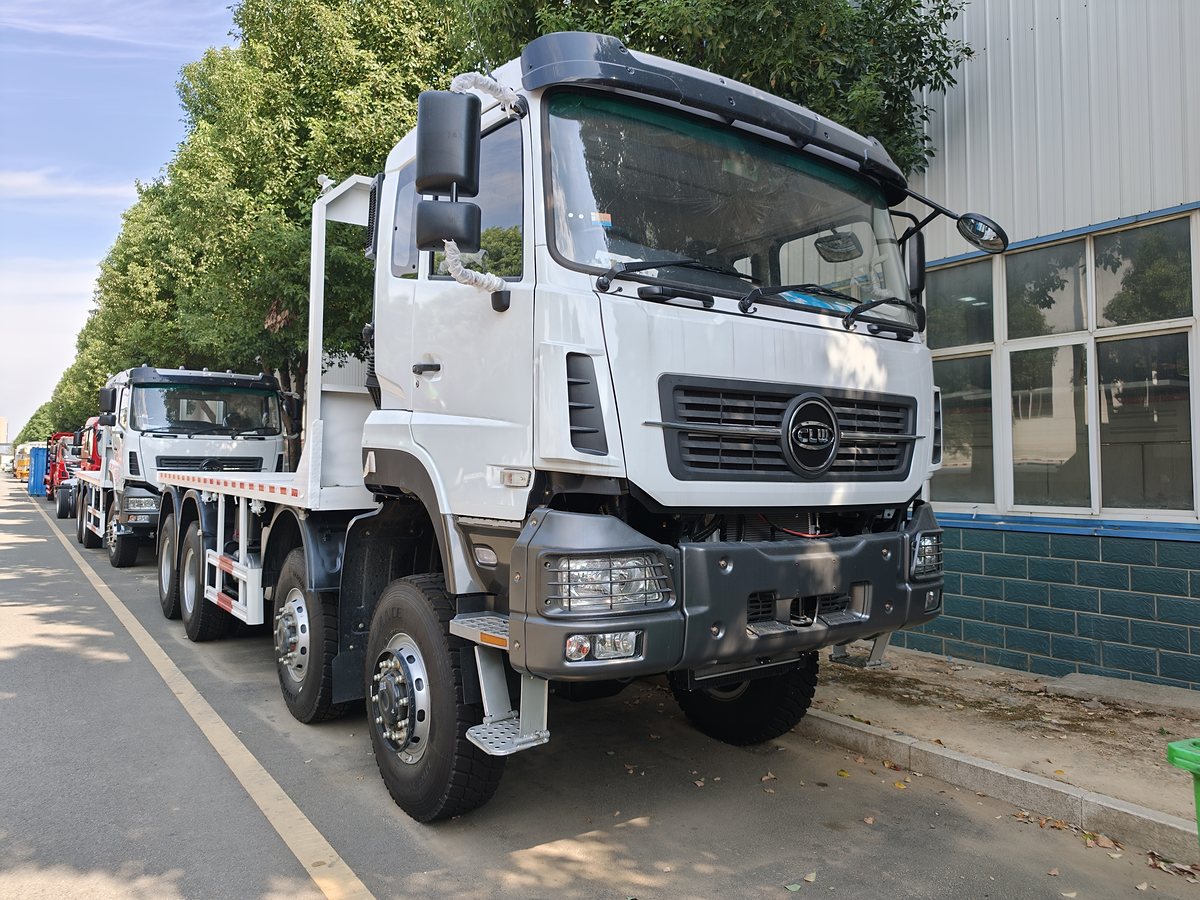
A Brazilian highway concession is not a construction contract with an expiry date. The winner holds the corridor for the full concession term — 20 years in the BR-163 case — is paid mainly through tolls, and must keep the road open, signed, drained, swept and cleared for the entire period. In practice that splits equipment demand into two waves. The first follows financial close: earthmoving plant, tippers, pavers, cranes and traffic-management vehicles for the duplication and upgrade works. The second and longer wave is the standing operational fleet — incident-response and towing units for breakdowns and crashes, water tankers for dust suppression and shoulder washing, mechanical sweepers, flatbed and low-bed units to move plant between work fronts, and truck-mounted cranes.
The bidder list explains why that matters for suppliers. Nova Rodovias — the platform built by Opportunity and a pool of construction firms grouped in 4UM — already holds the Rota Agro Norte concession in Rondônia, won in 2025, and its president Marcelo Stachow said the company expects to compete aggressively for at least two concessions this year, favouring assets with high capital expenditure and traffic driven by agribusiness; Rota Agro Central, which would extend its existing corridor, is one target. Way, which already holds concessions on the same Concebra corridor and is seen as the front-runner there, described the asset as one the group knows well. Nova Infra, the concession arm of Odebrecht, said it evaluates all opportunities including Rota 2 de Julho. An operator that ends up running three or four corridors buys fleets under framework agreements rather than in ones and twos, and standardises specification across state lines.
For an equipment exporter the practical consequences are three. Brazil is a left-hand-drive market, so no steering conversion is needed, but new heavy vehicles must meet the country's PROCONVE P8 emission limits, broadly comparable in stringency to Euro 6. Concessionaires are private operators answering to toll revenue and a 20-year cash flow, so purchase decisions are made on total cost of ownership, financing terms and the density of the spare-parts and service network along the corridor rather than on the lowest quoted unit price. And the buying clock starts later than the auction date: fleet orders follow financial close and site mobilisation, which is why suppliers who map the winning consortia in November and December are the ones positioned for the purchase orders that land over the following quarters.