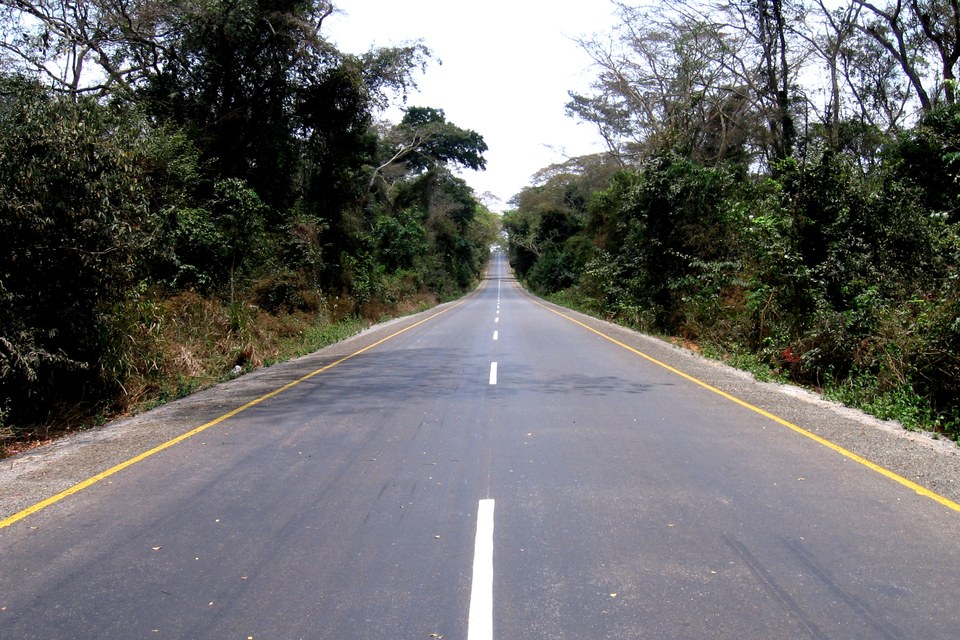
The Cabinda Road Rehabilitation Project is led by Angola's Ministry of Agriculture and Forestry and is being built by China Railway International Group, a subsidiary of China Railway Group. The programme covers three roads - R1, R2 and R4 - totalling 67.9 km and connecting the city of Cabinda with the Tando Zine area, a national corridor intended to move farm and forestry produce out of Angola's exclave province. Scope spans site clearing, earthworks, pavement, drainage, box culverts and bridges, road safety furniture, environmental and social protection, and restoration of public facilities.
Progress is already visible: on 15 July 2026 the project's LOT2 section - the 23.7 km R2 road, a contract worth US$ 11.52 million - opened to traffic at a ceremony at Bocu Mazi attended by Angola's Minister of Agriculture and Forestry and the Vice-Governor of Cabinda province, with national broadcaster TPA covering the event. The new procurement shows the remaining works are advancing in parallel: the fresh tender is for the aggregate production line that feeds the road's paving programme.
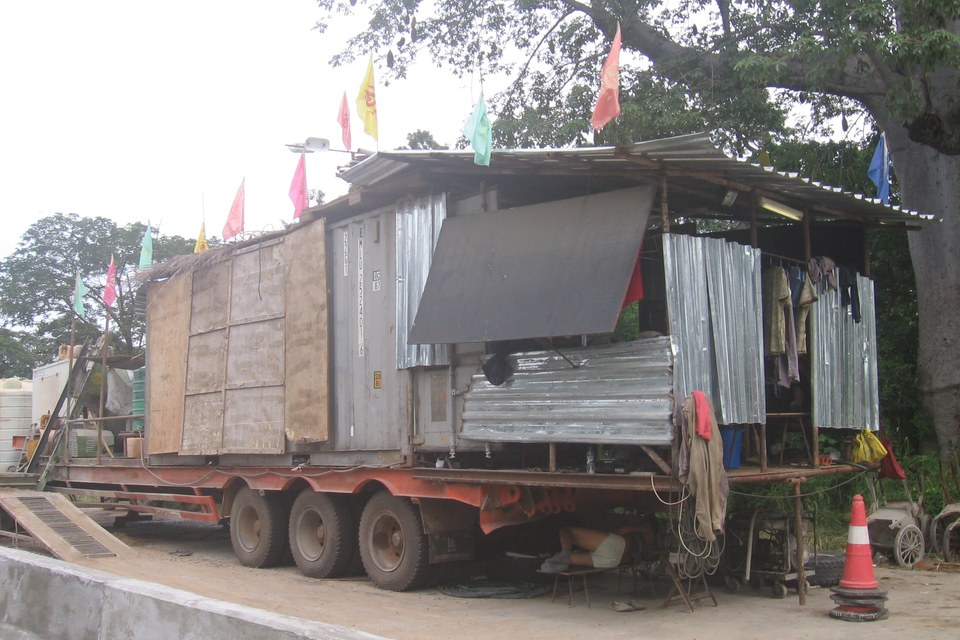
The package is a compact but technically specific crushing plant: one multi-cylinder hydraulic cone crusher (132 kW motor with thin-oil lubrication and hydraulic stations, fine chamber), one flat-plate vibrating feeder with dual 7.5 kW vibration motors, one four-deck circular vibrating screen of 1.8 by 6.0 metres, six belt conveyors, a PLC interlocked control cabinet and a spray dust-suppression system. The plant is specified for washed pebble processing with feed of up to 60 mm, and the supplier must provide installation, commissioning and operator training.
Commercial terms are equally clear-cut. The purchaser is China Railway International Group Commerce Co., Ltd., organised by China Railway International Group Ltd., with funding from the Angolan state treasury confirmed as in place. Bidders must be manufacturers or distributors with at least three years of registration, audited financial statements for the last two years and two comparable supply contracts in that period, plus ISO 9000 certification. Joint ventures are not accepted. Bids close at 09:00 Beijing time on 19 November 2026.
The logistics detail matters to exporters: delivery is priced at a designated stock position in a major Chinese port, including packaging, transport and taxes, within one month of contract signing. That puts the whole plant on a Chinese quay for onward shipment to Cabinda within weeks - the same export channel that carries road-building fleets from Chinese factories to West and Central African project sites.
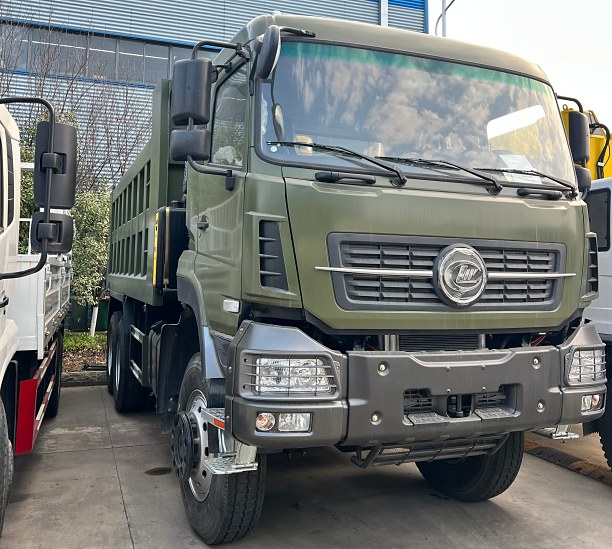
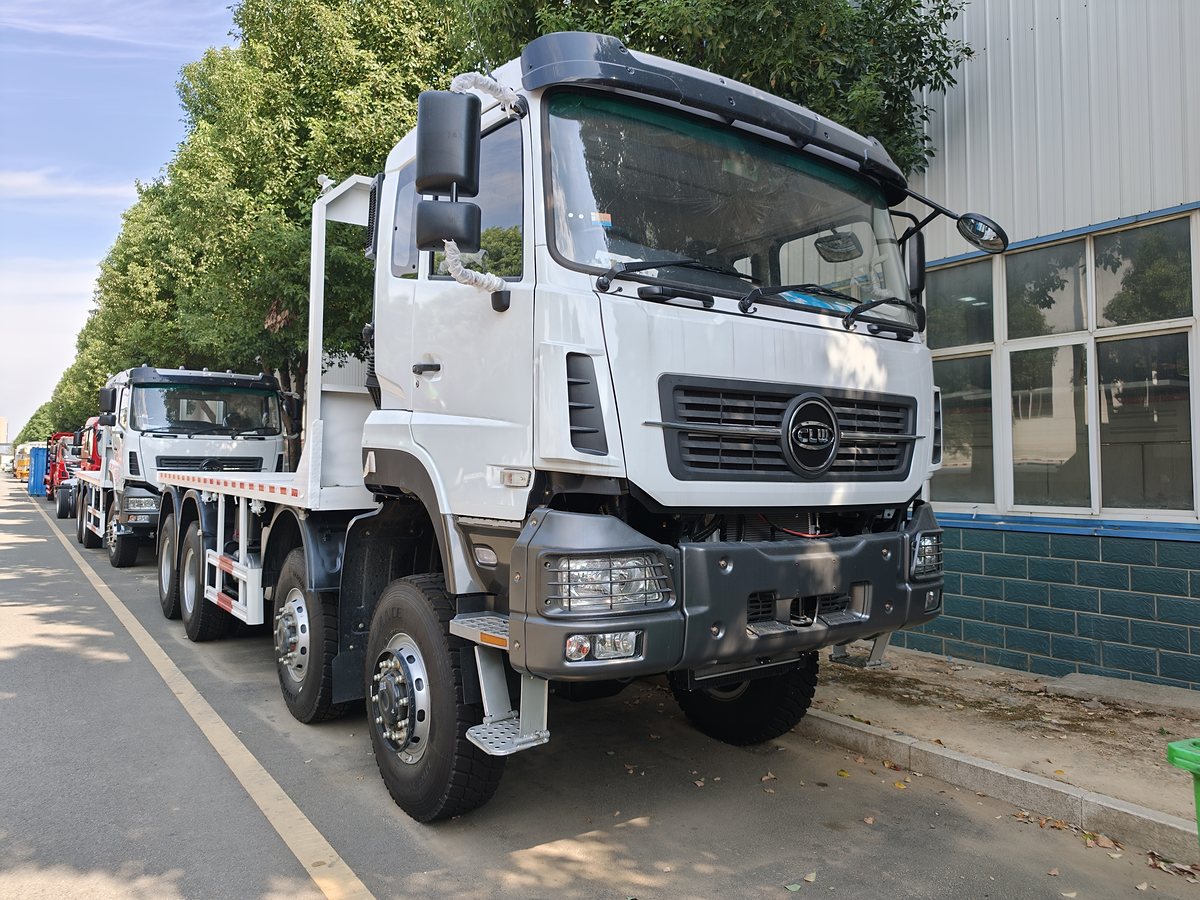
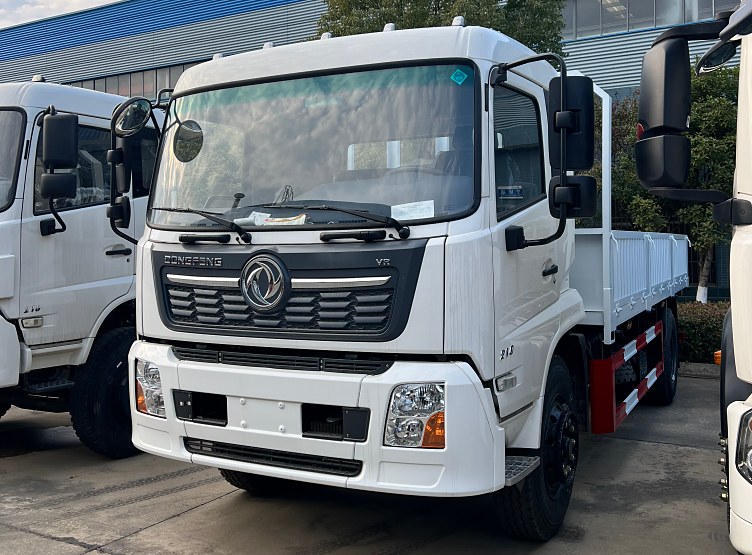
Every tonne of aggregate the new plant produces has to be hauled, and that is where the vehicle demand sits. Road rehabilitation corridors of this type run on dump trucks moving crusher-run and base material between quarry, plant and paver, flatbed transporters delivering the crusher itself, screens and spare parts to site, and dropside trucks carrying cement, culvert units and general cargo along the alignment. Chinese special-vehicle suppliers have served this exact fleet profile on Angolan road projects for well over a decade.
Timing favours early movers. With the R2 road open and the R1 and R4 lots under the same programme, equipment orders placed now align with the active construction calendar rather than a speculative tender win. For suppliers of dump trucks, flatbed transporters and dropside trucks watching Angola, the Cabinda programme is a live, state-funded procurement pipeline - and the crushing-plant tender is the latest visible beat of it.