The portfolio, presented at an event organised with support from PwC Ukraine and PwC Poland, spans strategic transport corridors and roads, ports, logistics infrastructure, railway stations, and municipal water supply and wastewater projects. Beyond the five road projects it includes three concession packages at the Port of Chornomorsk on the Black Sea. Ukraine's Public-Private Partnership Agency, which coordinates project preparation, says the projects sit at different stages of readiness.
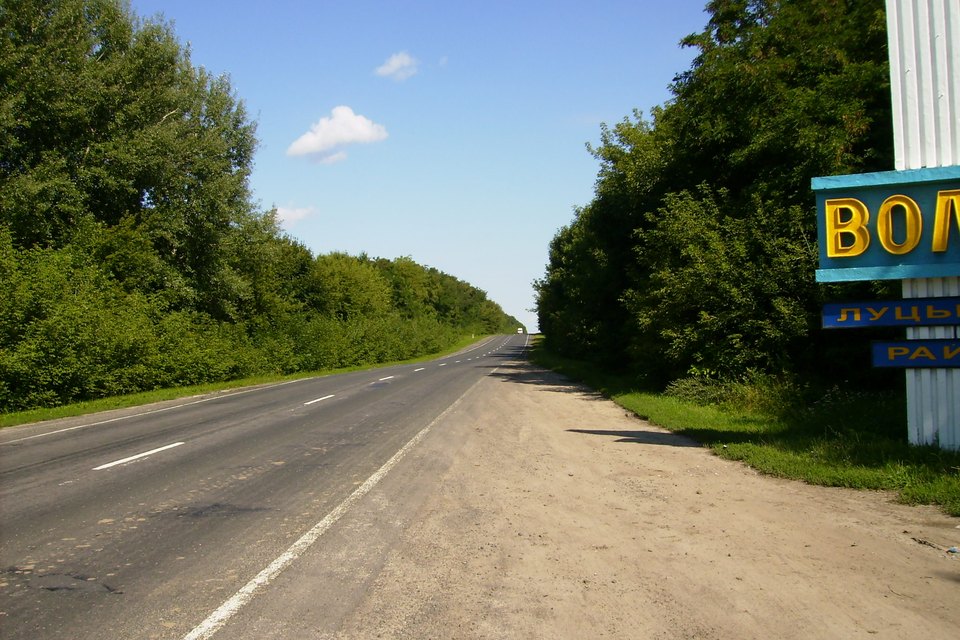
The flagship road project is the Yahodyn-Kovel-Lutsk Corridor on the M-07 and M-19 in Volyn region, close to the Polish border and part of the trans-European TEN-T network. The corridor runs roughly 128.3 km, mixing Category I-b four-lane sections with two-lane Category II-III stretches. The proposed scope: reconstruction with widening to four lanes on 35.2 km, major repairs on another 32.7 km, plus associated infrastructure - a scale that puts the project firmly in the earthmoving-and-pavement league rather than routine resurfacing.
The preparation track record is unusually specific for a market that has heard grand plans before. EY-Parthenon, working with Arup and Pro-Mobility, delivered a preliminary PPP analysis of selected M-07 and M-19 sections under a December 2025 contract with the EBRD; a cooperation agreement signed in September 2026 formalised advisory support; and as of October 2026 the PPP concept note had been finalised with an assessment report attached. That is the point at which concession pipelines either stall or start moving - and Ukraine's has cleared the concept stage.
The commercial model on offer is distinctive. Rather than the classic build-own-transfer toll road, Derkach described the first road PPPs as availability-style deals: a private partner builds or widens the road within about two years, then maintains it for thirteen years - a fifteen-year project overall - while the state pays for maintenance and repays the construction investment in instalments. Local governments can use the same instrument. For equipment suppliers the arithmetic is straightforward: every awarded corridor means both an initial construction fleet phase and a thirteen-year maintenance contract that keeps tippers, water trucks, sweepers and recovery vehicles in service long after the ribbon is cut.
Tolling sits alongside the portfolio as a separate legal track. Under commitments to the European Commission, Ukraine's parliament must adopt a toll-road law by the end of 2027; EU requirements provide for road charges on commercial vehicles, in particular trucks and buses, although extending charges to all vehicles is not mandatory. Derkach himself considers the classic toll model unrealistic for now - too many roads need reconstruction rather than new parallel routes - which is precisely why the availability-payment structure dominates the current project design.
The legal scaffolding has been upgraded to match. Updated legislation - Law No. 4510-IX - allows availability payments, a wider range of government support mechanisms, and blended finance combining public budgets, private capital and donor funding; it also introduces preliminary market consultations before tenders are announced. A Ukraine Government Project Preparation Facility, run by the PPP Agency with funding through the World Bank-administered PREPARE Ukraine project, pays for the technical work that gets projects tender-ready, and a Viability Gap Facility - a grant or guarantee bridging the gap for projects whose revenues cannot cover costs - is being established.
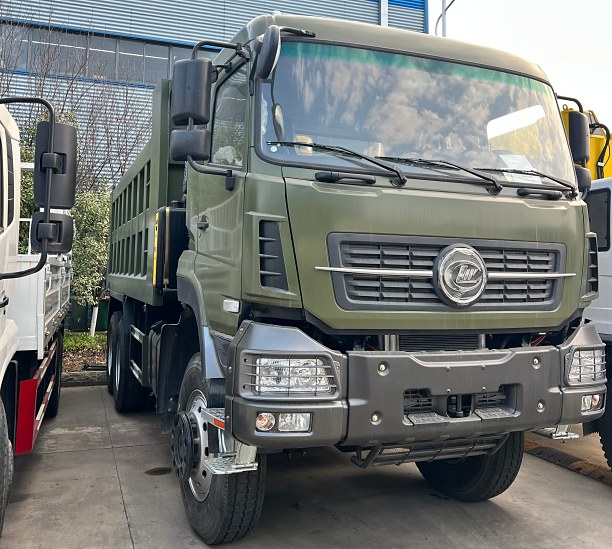
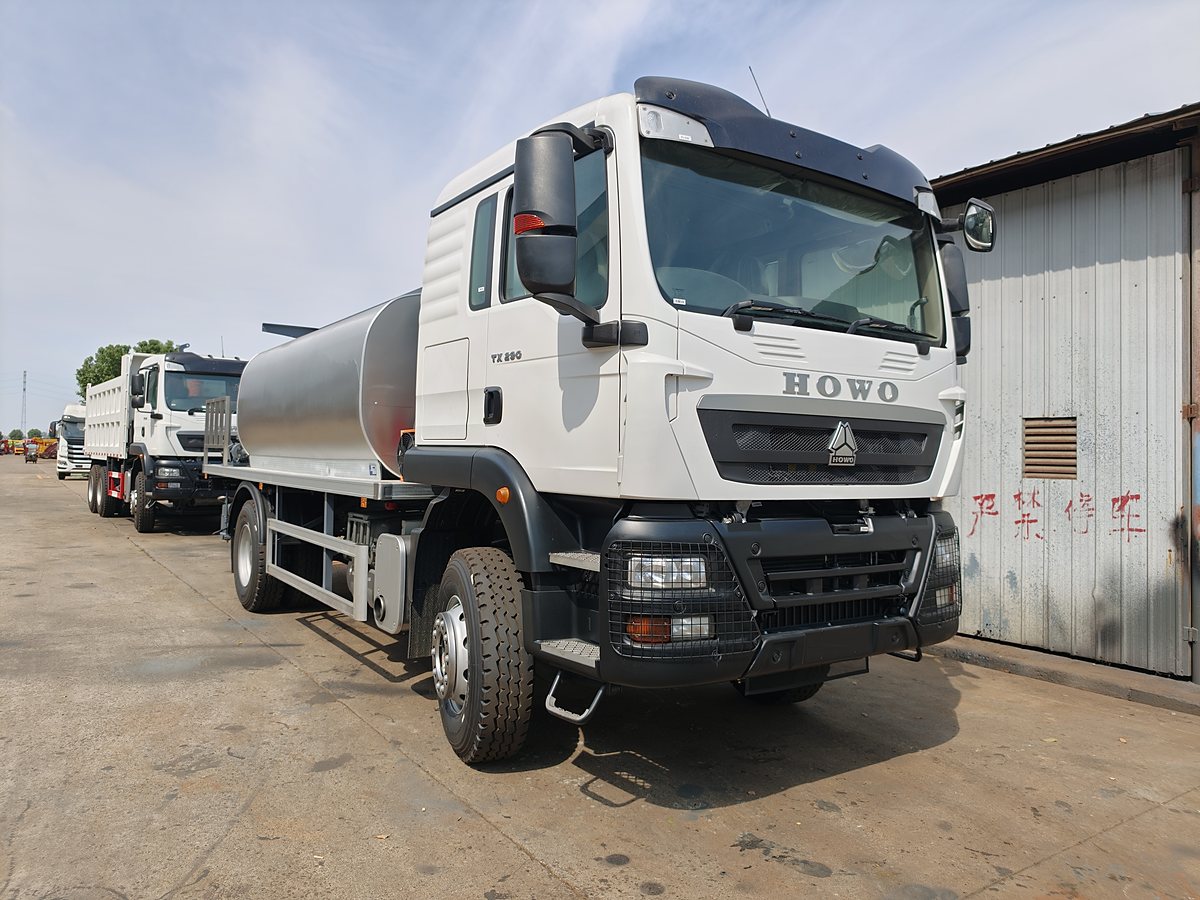
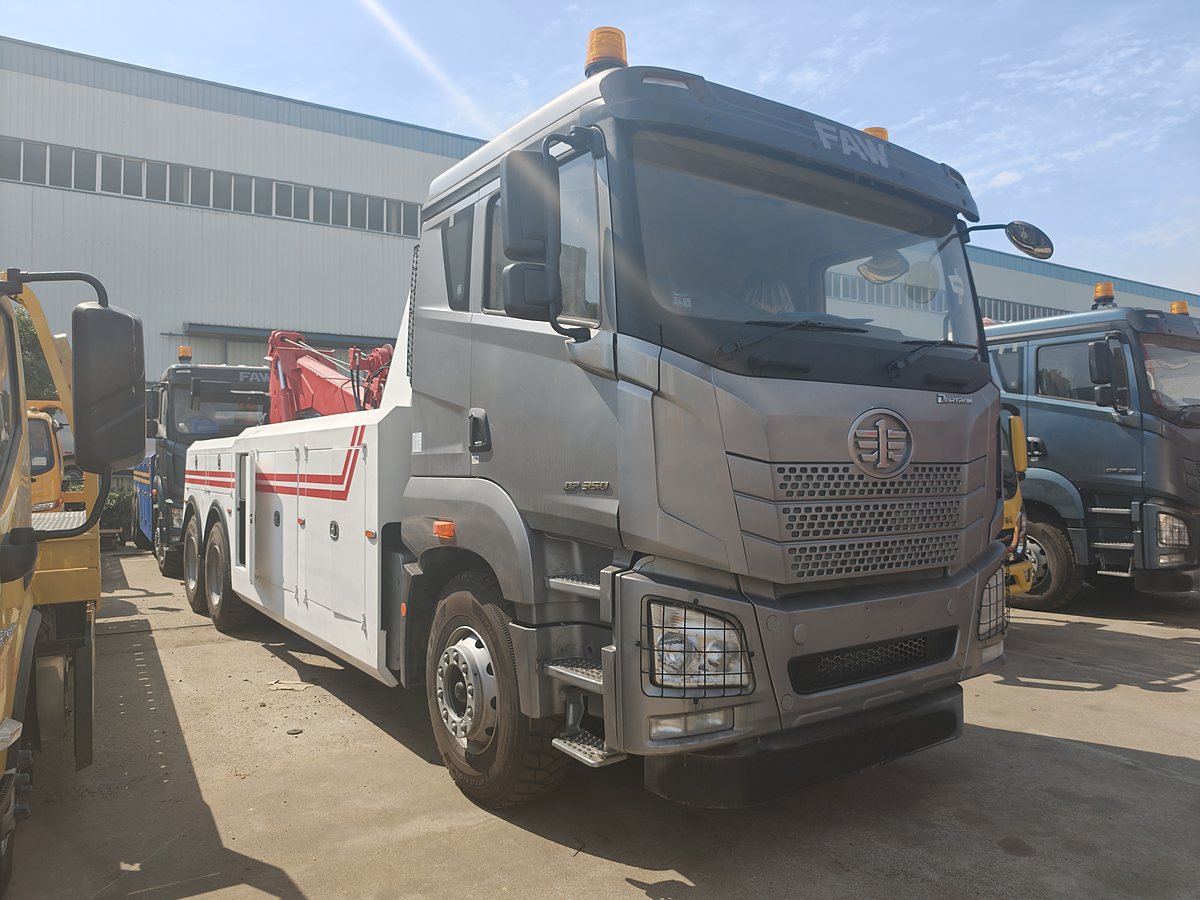
For contractors and fleet operators watching this market, the practical entry points are concrete: the PPP Agency's project pages publish the pipeline and stage of each project; market consultations and tender documents will define the machinery specifications; and a weigh-in-motion network in the pipeline signals that axle-weight enforcement will tighten on the corridors themselves. Road programmes of this shape - long corridors, fixed maintenance terms, cross-border freight pressure - historically buy in categories Chinese exporters know well: dump and tipper trucks for earthworks, asphalt and water tankers for pavement and dust control, flatbeds and lowbeds for plant transport, and recovery vehicles for incident response on concessioned highways.