The call came from Prof Mpita Msofe, Deputy Permanent Secretary in the Ministry of Agriculture, and Aristides Mbuasi, Deputy Permanent Secretary in the Ministry of Industry and Trade, during a visit to Swissport's horticultural produce handling and storage facility at Kilimanjaro International Airport (KIA) on 7 November 2026. The visit formed part of the run-up to the Horticulture Logistics Africa Conference and Exhibition in Arusha, which gathered stakeholders to showcase investment and trade opportunities in the country's horticulture sector.
The arithmetic behind the officials' argument is straightforward. Swissport's KIA facility can hold 180 tonnes of fruit and vegetables, yet even at its seasonal peak it runs at roughly 76 per cent utilisation. Produce that never reaches the cold room, or arrives there damaged by heat and delay, is value Tanzania loses before any export paperwork begins. Msofe stressed that an effective cold chain must cover the entire supply chain - beginning at the farm and extending through storage facilities, specialised refrigerated vehicles and airport handling - to minimise losses on perishable goods.

Policy is moving behind the appeals. Minister for Industry and Trade Judith Kapinga has directed the Tanzania Trade Development Authority (TanTrade) to work with the Tanzania Horticultural Association (TAHA) and other institutions to identify and promote cold-chain investment opportunities across the country. The aim is an integrated storage and transportation network linking farms with collection and processing centres, transport systems and, ultimately, airports serving overseas markets.
The stakes are clearest in livestock. Mbuasi argued that without adequate cold chain infrastructure, Tanzania cannot meaningfully expand exports of processed meat and remains heavily reliant on shipping live animals - a trade that captures only a fraction of the value that chilled, processed product would earn. He named two principal benefits of cold-chain investment: maintaining product quality through transportation and reducing post-harvest losses.
Export logistics capacity is widening too. The government said it is engaging with other countries to introduce dedicated cargo flights at KIA, which would raise the airport's capacity to move Tanzanian produce overseas. Taha Fresh, a TAHA-linked aggregator, is already collecting produce from farmers and trucking it into the Swissport cold store, linking smallholder supply with export demand.
The destination targets are unusually ambitious. The Ministry of Agriculture is implementing Agriculture Agenda 10/30, which seeks to raise agriculture's contribution to the national economy to 10 per cent by 2030, while the Agriculture Master Plan 2050 targets US$ 100 billion in agricultural exports. Every link in that chain - collection centres, cold stores, airport handling - depends on temperature-controlled transport, and officials made clear the state expects private operators, not government fleets, to supply it.
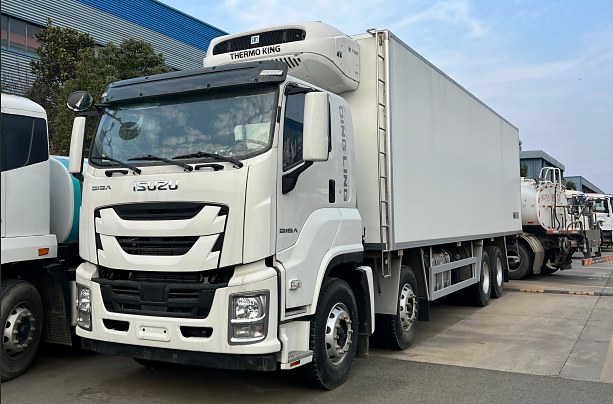
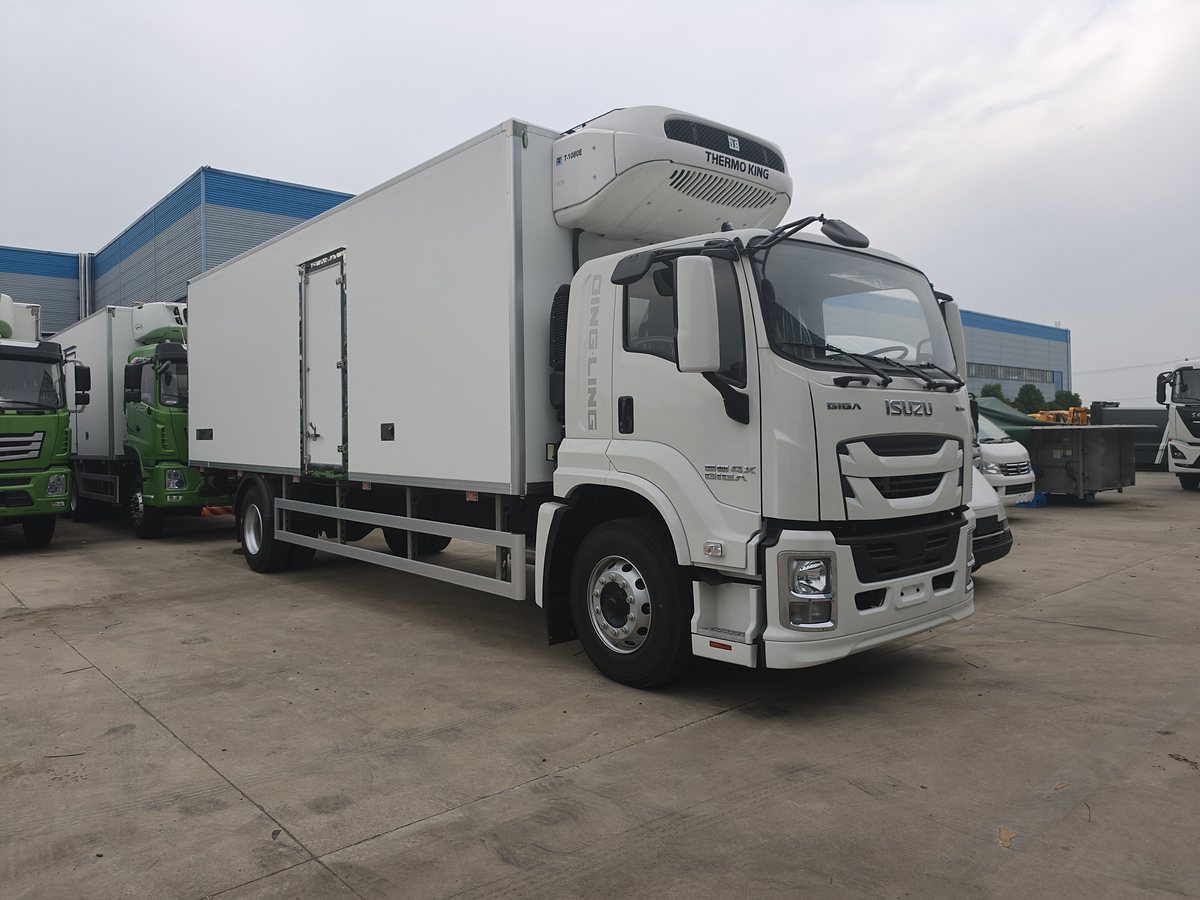
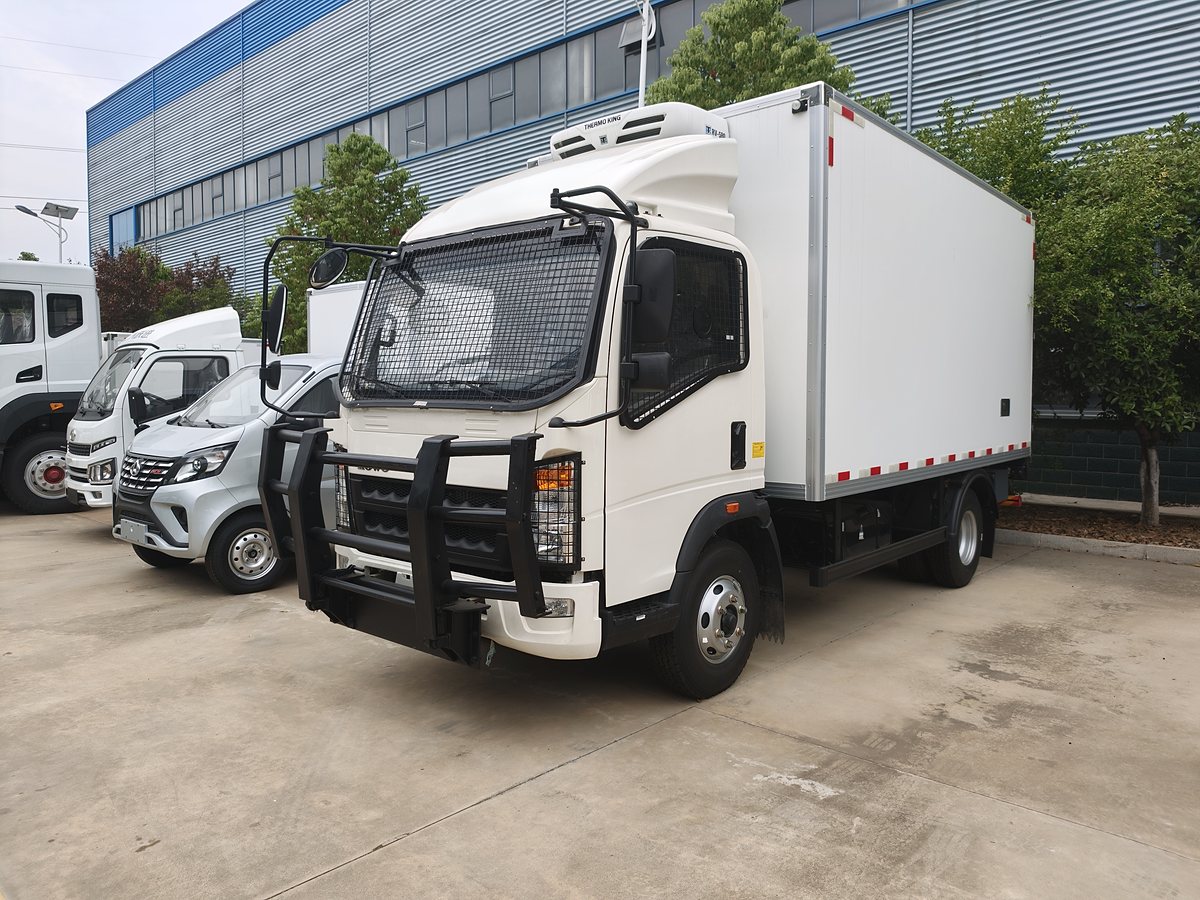
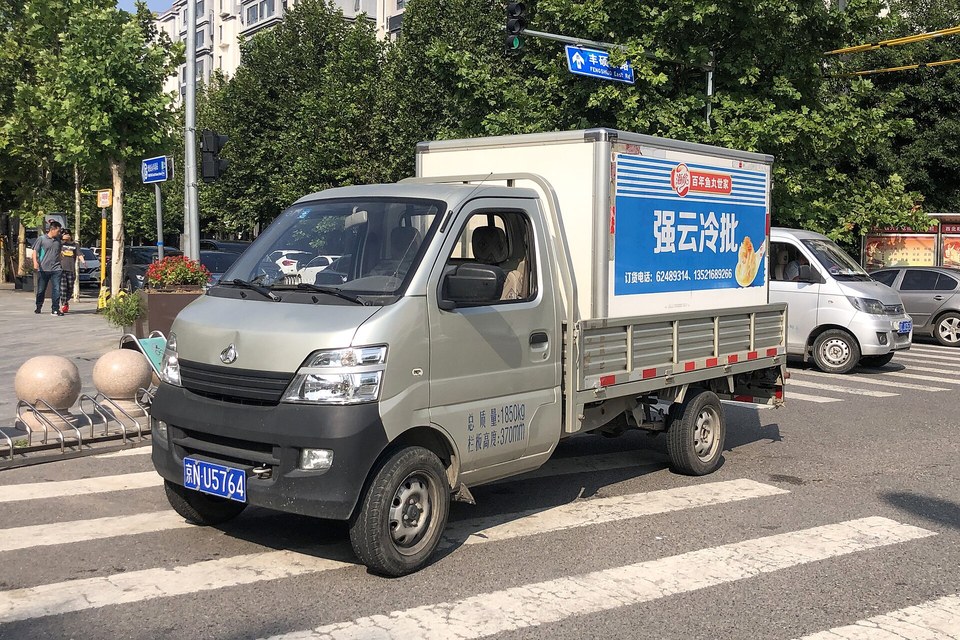
For vehicle suppliers, the demand profile is concrete rather than speculative: refrigerated box trucks for farm-to-collection and collection-to-airport legs, insulated delivery vehicles for urban distribution of dairy and processed foods, and reefer units sized for African road conditions. Chinese special-vehicle manufacturers have supplied exactly this class of light and medium refrigerated trucks into East African markets for years - and Tanzania's farm-to-airport programme now gives that fleet a national policy backbone.