The final draft was unveiled by Information Minister Attaullah Tarar and Adviser to the Prime Minister on Industries and Production Haroon Akhtar Khan, who said the document had been approved by Prime Minister Shehbaz Sharif and would now go to the federal cabinet. The five-year framework marks a deliberate shift away from protecting a domestic market long oriented toward kit assembly, and toward an export-oriented manufacturing industry built on localisation, safety and electric mobility.
The tariff mechanics are the part importers will read first. Duties on completely knocked-down kits, vehicle components and raw materials are to be reduced step by step over five years to lower manufacturing costs, and the policy aims to bring customs duties on completely built-up vehicles down to 15 per cent across vehicle categories by 2030-31. The September draft had already proposed halving the duty on hybrid trucks from 30 to 15 per cent and cutting high-roof commercial vehicle duty from 60 to 30 per cent, while new-energy vehicles get tiered sales tax of 1 per cent for battery-electric, 6 per cent for range-extended and 9 per cent for plug-in hybrids, with zero customs duty on charging-station equipment.

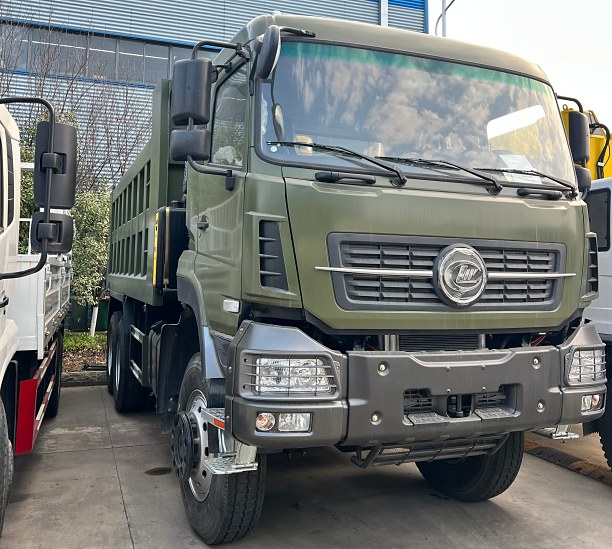
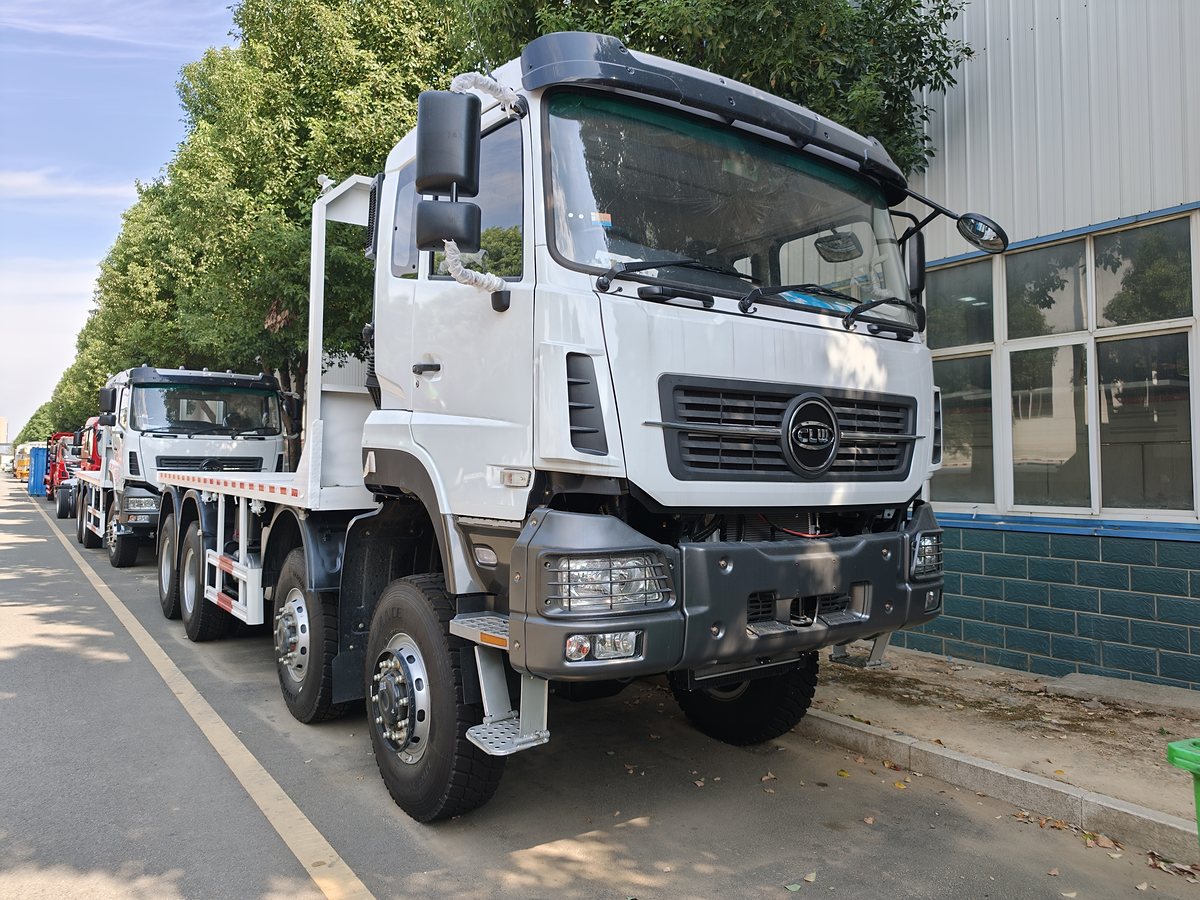
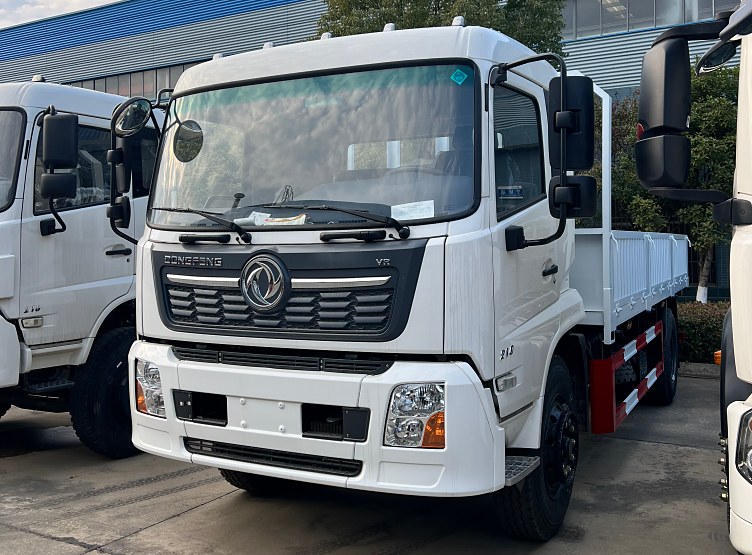
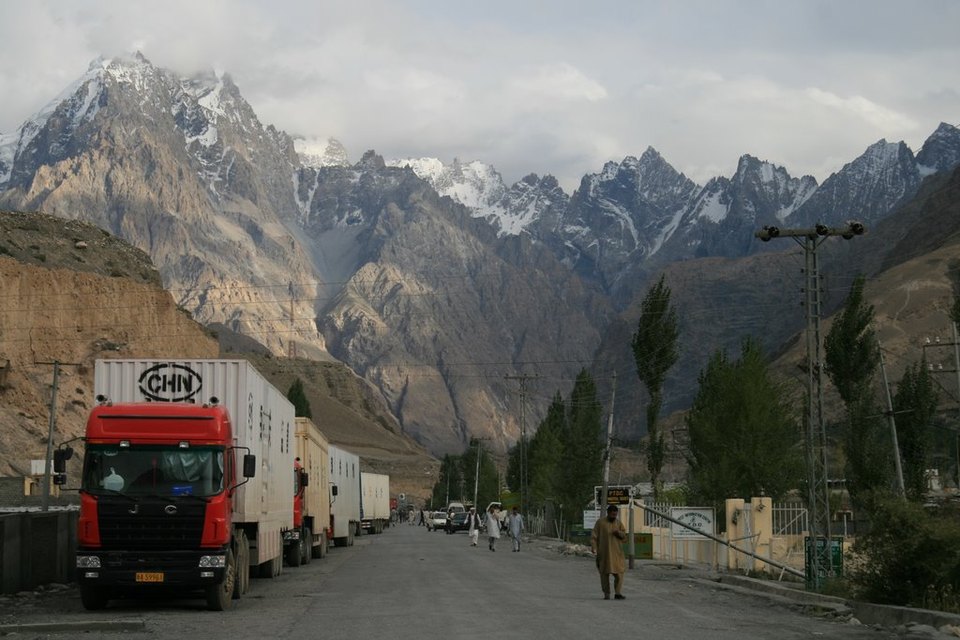
For Pakistan's truck and special-vehicle market - long supplied heavily by Chinese-built chassis and complete units arriving through Karachi's ports and over the Khunjerab Pass - a published, predictable tariff path matters as much as the rates themselves. Fleet operators and import houses can plan replacement cycles against a known duty calendar instead of reacting to ad hoc statutory-regulatory-order changes. One counterweight to price in: officials also flagged additional duties on large vehicles with commercial engines, so the net landed-cost effect will differ by category and engine class, and each tariff line needs confirming at order time.
The export and localisation side is where the policy is demanding. The government targets lifting cumulative automotive exports from roughly US$ 200 million to US$ 6 billion over five years; manufacturers are assigned export targets, companies meeting them receive a 5 per cent drawback of local taxes and levies plus an additional 10 per cent incentive on export growth, and those missing targets face penalties. Reported details of the approved text add binding localisation obligations - domestic value addition rising year on year, with minimum targets for light commercial vehicles by 2030-31 - pushing assembly operations beyond simple kit bolt-together work.
Not everyone is convinced. The Pakistan Association of Automotive Parts and Accessories Manufacturers has warned that an import-centric policy threatens some 1,200 component makers and about 300,000 direct jobs, arguing that cutting completely built-up duty to 15 per cent by 2031 would undercut a value chain that India protects with roughly 120 per cent, Thailand with 80 per cent and Indonesia with 52 per cent. The association has sought a meeting with the prime minister, while the carmakers' body has asked the ministry for an official copy of the text - a reminder that the numbers may still move before implementation.
Compliance requirements are expanding in parallel. The policy introduces 45 additional safety standards based on the United Nations WP.29 framework, applying to both locally manufactured and imported vehicles including used units, alongside a cap barring manufacturers from taking advance payments above 20 per cent of a vehicle's price and a move to third-party audits for transparency. Exporters shipping vehicles into Pakistan should expect conformity documentation, brake, tyre and seatbelt-related requirements, and clearer consumer-protection rules to feature in tender and import specifications.
The remaining gates are procedural: the policy goes to the federal cabinet next, and a money bill - described in Pakistani media as a mini-budget - will carry the tax and tariff measures into law, with Pakistani press reporting that the International Monetary Fund has raised no objection to the draft. A mid-term review is planned for 2028. For buyers and exporters, the practical checklist is short: track the money bill for the statutory tariff schedule, confirm the applicable duty line for each vehicle category before contracting, and treat 2030-31 as the horizon the policy itself has published.