The vessel MV Great Prosperity completed the discharge of 154 specialised machines totalling 8,213 metric tonnes at the Port of Lamu on Wednesday, 21 October, in a delivery confirmed by a Kenya Ports Authority (KPA) statement. It was the second major consignment for the Dangote East Africa Refinery: an earlier vessel, MV Da Yang, had brought roughly 2,930 tonnes of construction equipment and materials from China on 26 September, days before President William Ruto and Dangote Group president Aliko Dangote broke ground on the project on 30 September. Caleb Nthusi, operations executive at Inchcape Shipping, the vessel's local agent, described the delivery as the opening phase of a broader logistics pipeline, and the port authority said additional fleets carrying heavy equipment are scheduled to arrive through Lamu over the coming months.
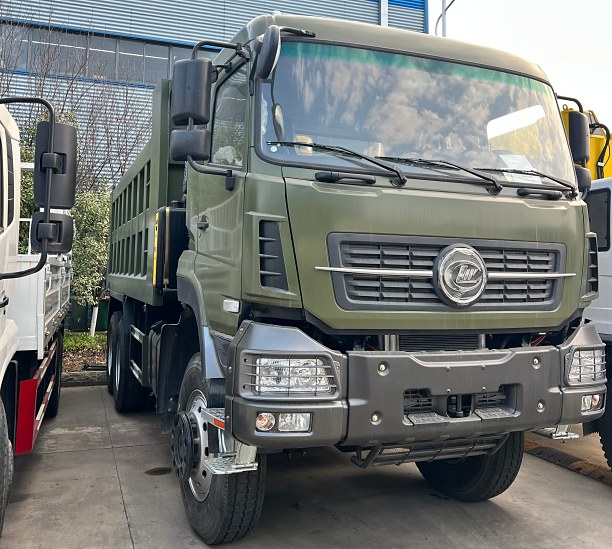
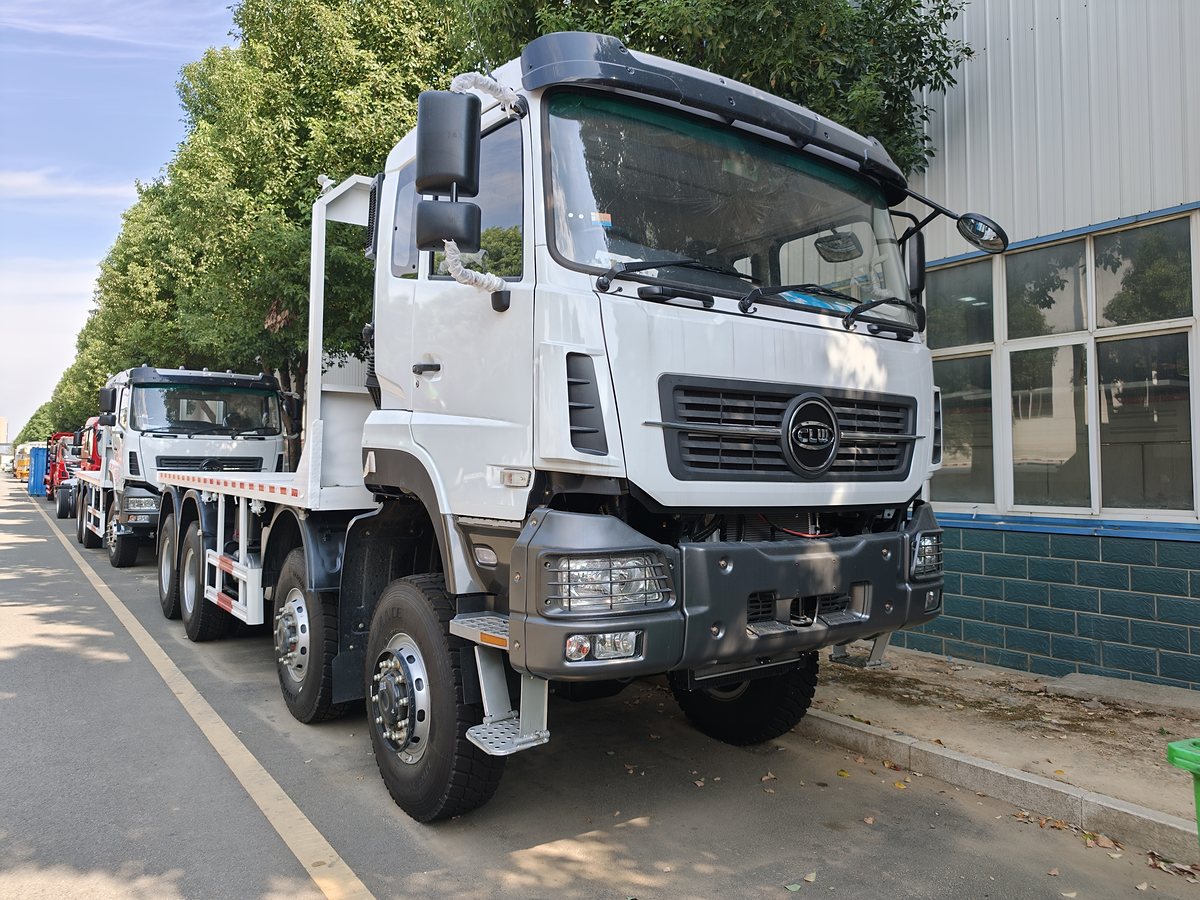
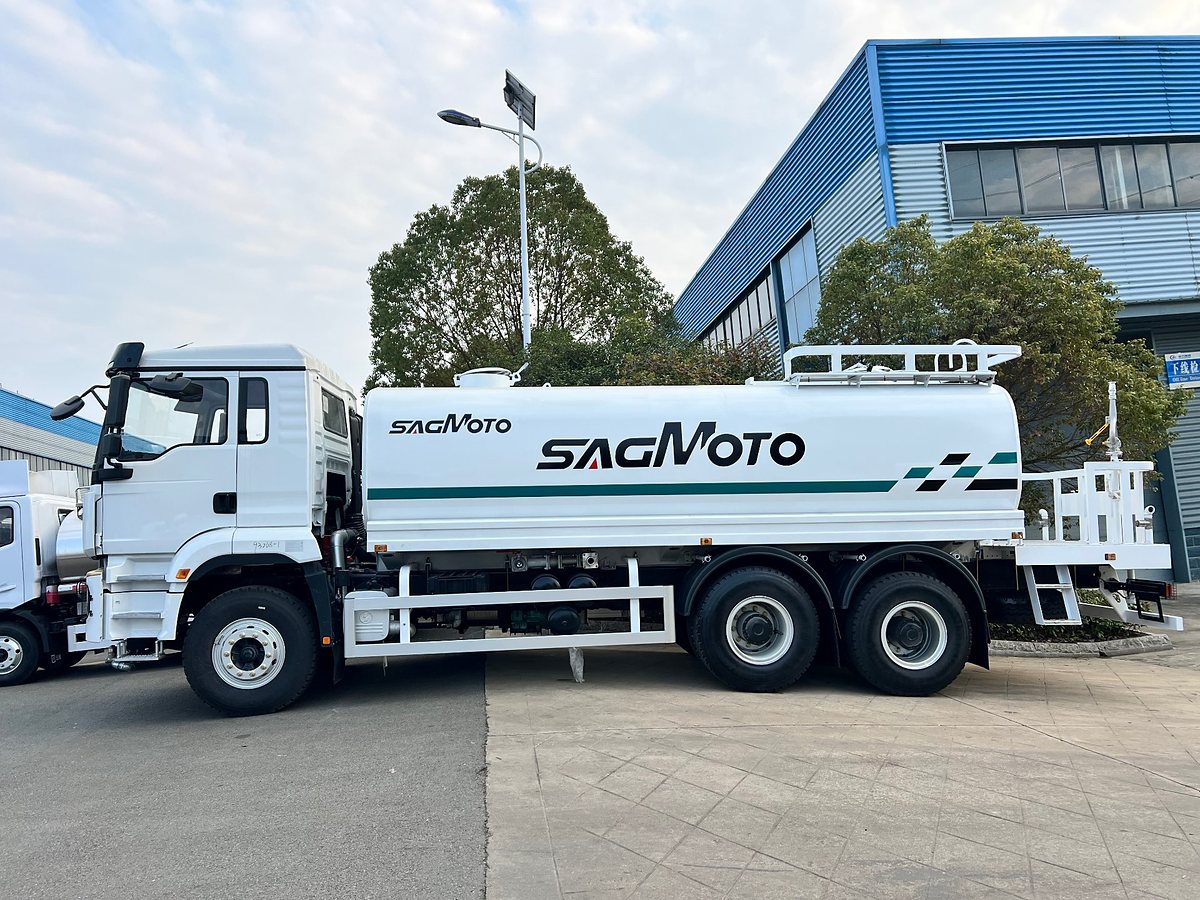
The manifest reads like the opening chapter of an earthworks campaign. Photographs from the Kililana yard show XCMG XLC75 crawler cranes in Dangote livery, XDA45 articulated dump trucks on large off-road tyres — several still in protective wrapping — alongside excavators, single-drum road rollers, motor graders, prime movers and flatbed trailers. That mix is typical of the mobilisation stage of a greenfield industrial site: the off-highway fleet clears, levels and compacts the ground first, while the road-registered vehicles that will feed the site — tippers, dropsides, flatbeds and lowbeds, water trucks and crane trucks — tend to arrive in separate, later procurement waves, often bought locally or through regional dealers rather than shipped in the first consignment.
The scale explains the pipeline. The Lamu complex is valued at US$16–17 billion (about KSh 2.2 trillion), is designed to process up to 700,000 barrels of crude oil per day, and includes a proposed 1,000-megawatt captive power plant; Dangote has indicated construction will take roughly 40 months, targeting completion around 2030, and project officials estimate up to 60,000 direct and indirect jobs. The project is not without friction: residents and activists have petitioned the Environment and Land Court over land rights and coastal impacts, and on 16 October the court in Malindi declined to extend interim restrictions that would have halted preparatory works, directing the petitioners to amend their filings ahead of further submissions in late November.
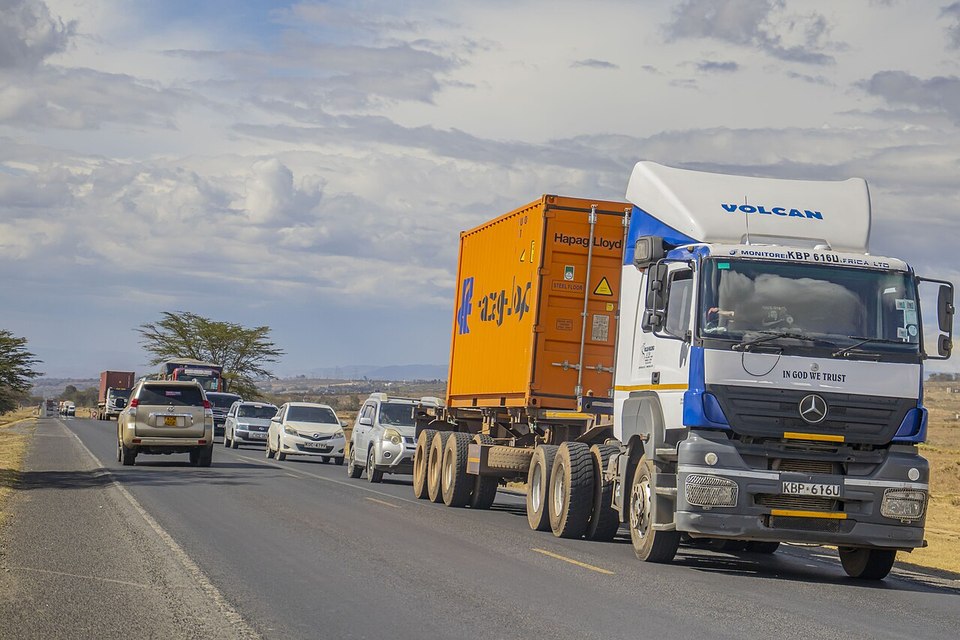
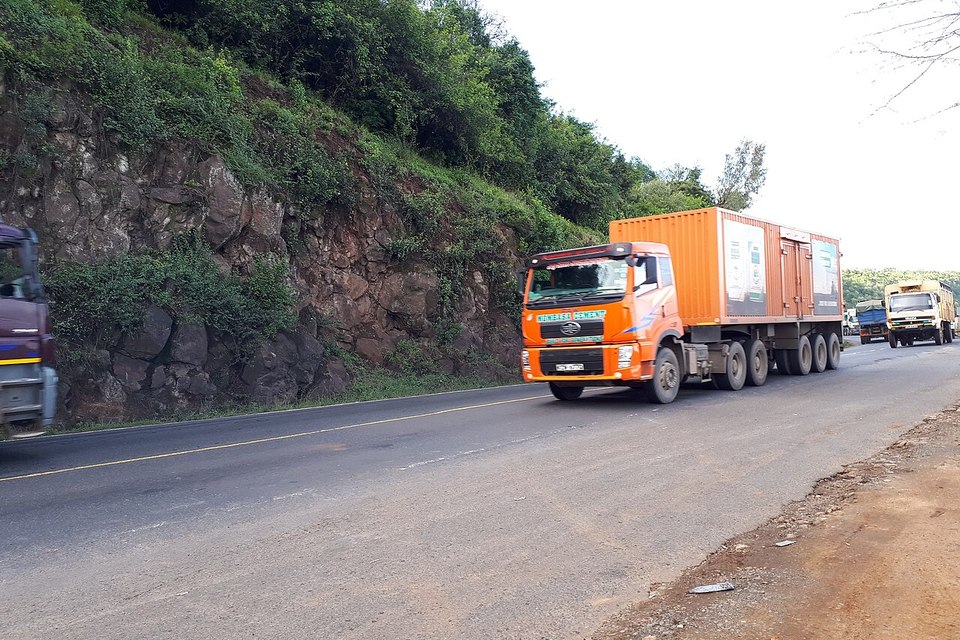
The logistics geometry is the part equipment buyers should watch. Lamu sits at the head of the LAPSSET corridor — the planned chain of highways and standard-gauge rail meant to link Kenya's coast with Ethiopia and South Sudan, to whose governments the project's sponsors have offered a combined 30 per cent equity stake. But the site has no rail connection today, so during the construction window every tonne of aggregate, cement, structural steel, water and machinery that leaves the port yard moves by road — much of it over routes that are still being upgraded. KPA expects the project to keep generating heavy cargo traffic long after commissioning, which is precisely the pattern in which haulage contractors and site-support fleets add road tippers, flatbed and lowbed trailers, water bowsers and truck-mounted cranes in rolling orders sized to each construction phase.
For exporters, the signal to track is not the first vessel but the second and third. A groundbreaking followed by two equipment ships in four weeks means the project has shifted from ceremony to cash flow, and the imported yellow iron now needs a supporting cast of road-legal vehicles: tippers to move excavated material, flatbeds to reposition machines and deliver plant, water trucks for dust suppression on unpaved haul roads, and recovery and crane support for a fleet that will only grow. Kenya is a right-hand-drive market with established new- and used-truck channels through Mombasa, so suppliers quoting into this wave will be competing on delivery time, parts availability and on-site service rather than on catalogue price alone — and the vessel arrivals already scheduled for the coming months are, in effect, a countdown to when those follow-on orders land.