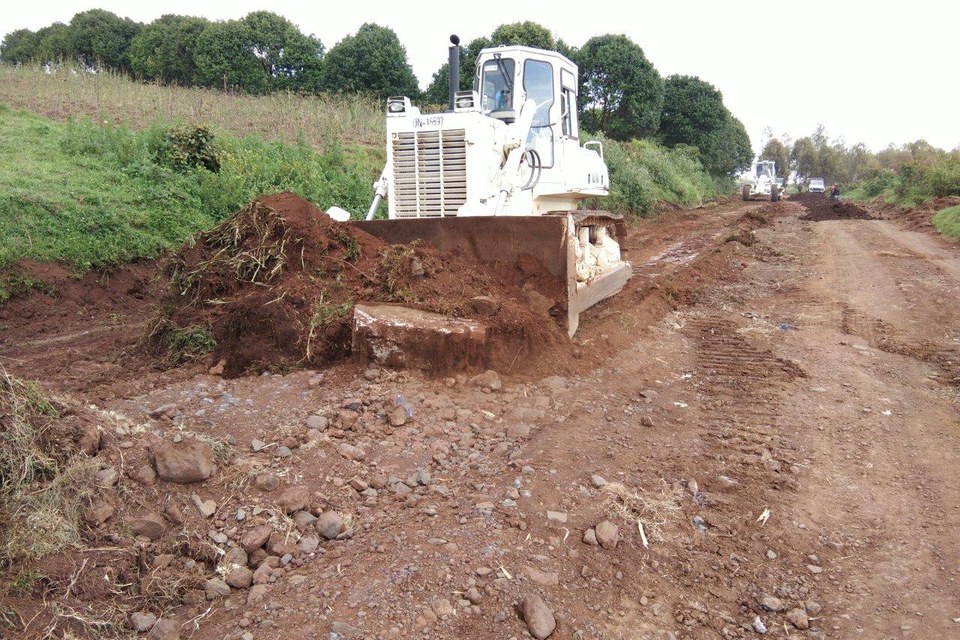
The works run from the junction with national road RN1 through Malanga, Kiasungwa and Kimbemba to the Luozi ferry crossing on the Congo River, a corridor of 94.628 km that carries farm produce out of one of Kongo Central's most productive agricultural zones. Reference number ZR-MINAGRI-563391-CW-RFB sits under World Bank grant D8690-ZR and credit 69510-ZR, within project P169021 - the National Agriculture Development Programme (PNDA) approved by the World Bank on 25 June 2021 with a total commitment of US$ 520 million, whose stated objective is to improve agricultural productivity and market access for smallholder farmers.
The engineering scope is unusual for a rural road and signals a demanding build. The two-lane carriageway will combine rigid reinforced concrete pavement on sections with gradients steeper than 5 percent and flexible asphalt concrete pavement elsewhere. Lot 1, from the RN1 junction to Kumbi village (29.64 km), carries about 261,425 cubic metres of earthworks, 6,928 cubic metres of concrete wearing course on slopes and 9,161 metres of drains. Lot 2, from Kumbi to Kiyadi (37.36 km), adds about 329,515 cubic metres of earthworks and 8,262 cubic metres of asphalt concrete. Lot 3, from Kiyadi to Kimbemba (27.628 km), includes 2,400.6 cubic metres of concrete for the ferry access ramps.
Procurement follows the World Bank Procurement Regulations (seventh edition, September 2025) on international competitive terms, open to bidders from eligible countries. Rated criteria - technical and non-price factors - weigh 60 percent against 40 percent for bid cost, a structure that rewards method statements and plant planning rather than the lowest number. Each lot requires a bank guarantee of US$ 200,000, a declaration on protection from sexual exploitation, abuse and harassment, and a local labour commitment. The bidding document is in French, costs US$ 250 and electronic bids are not accepted: paper bids must reach the PNDA coordination unit in Kinshasa by 14:00 on 24 November 2026, with technical envelopes opened in public at 14:30 the same day.
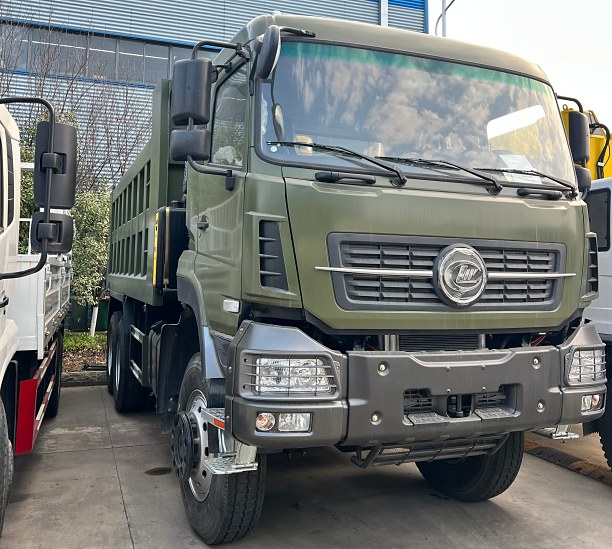
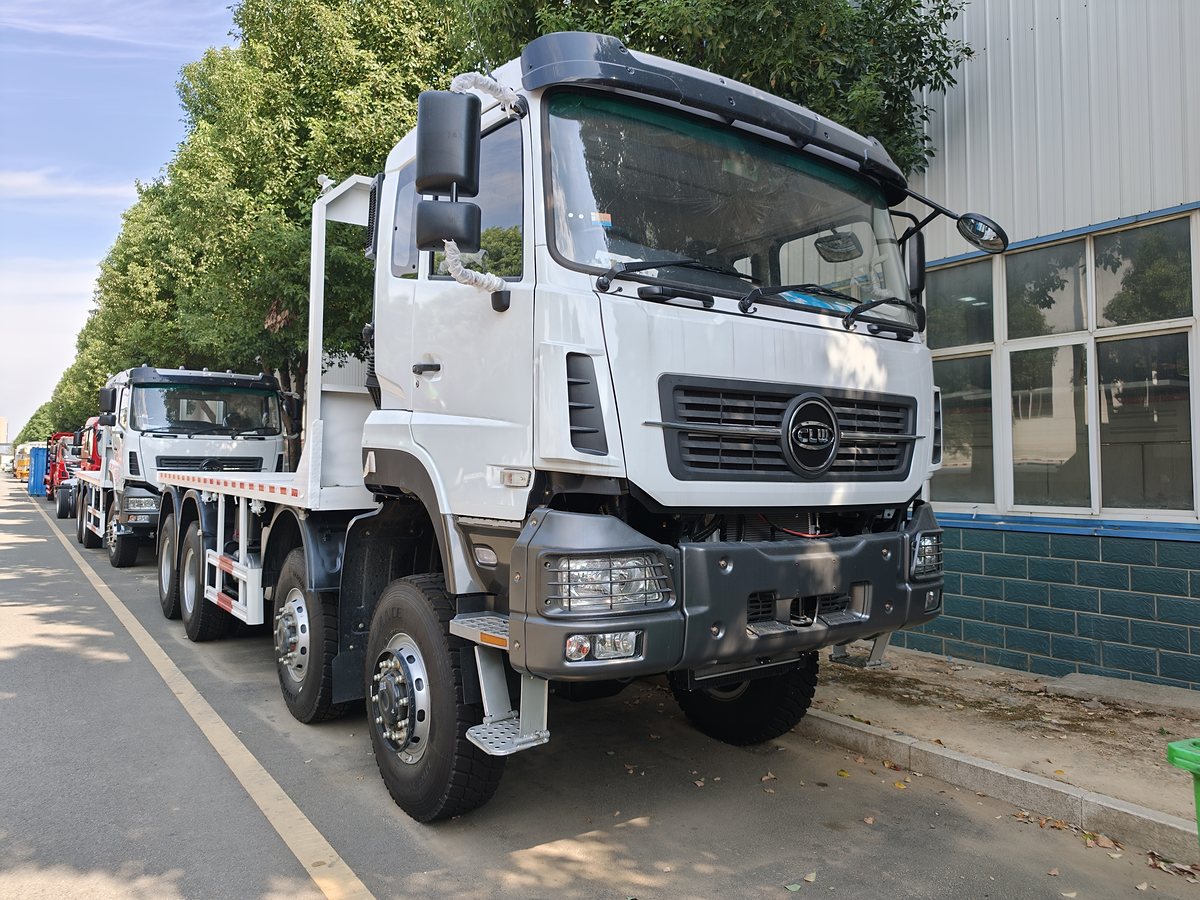
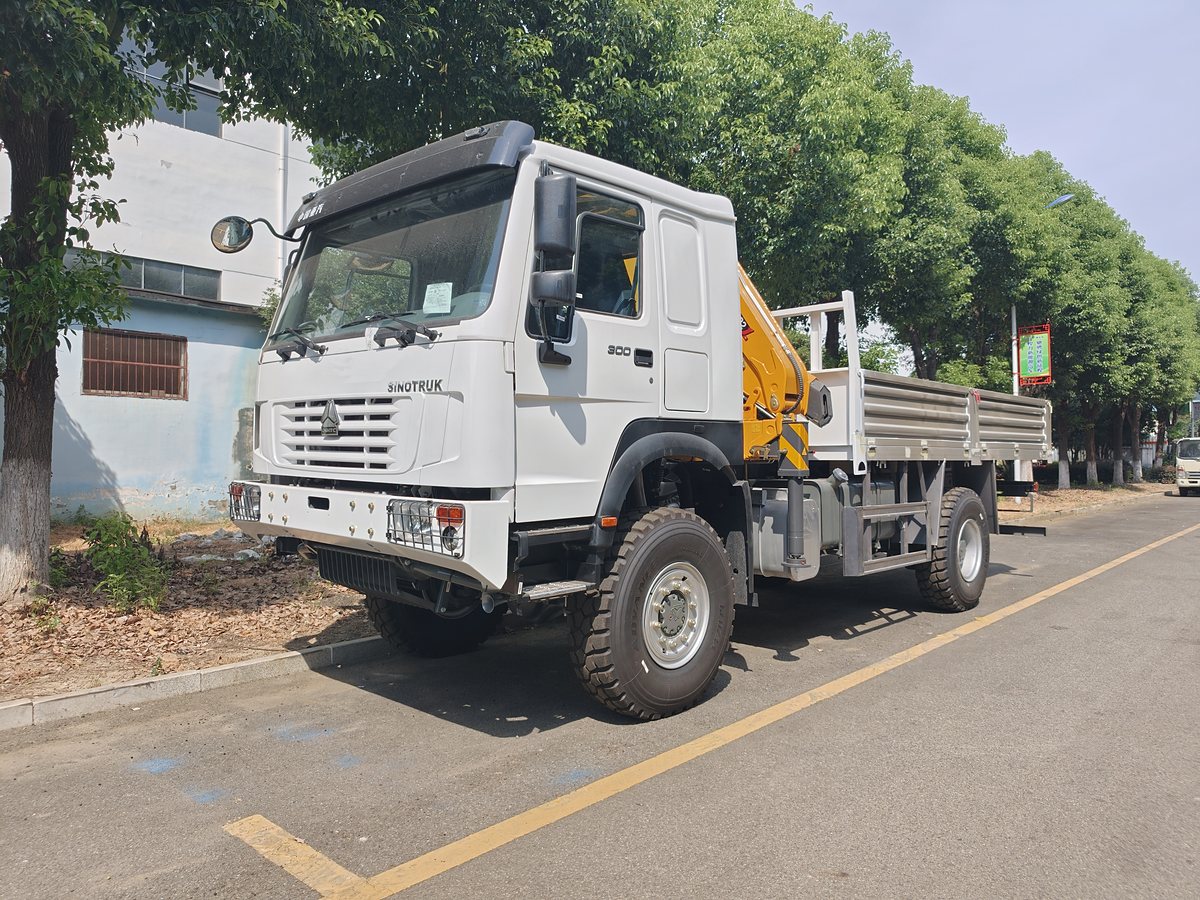
For contractors, each lot is a ten-month campaign and bidders may bid for one or more lots - which multiplies the plant requirement for anyone chasing parallel awards. Nearly 591,000 cubic metres of earthworks across the corridor, plus slope concrete, drainage runs and ferry ramps, translate into sustained haulage demand: dump trucks shuttling cut and fill along a narrow rural alignment, flatbed transporters bringing in graders, rollers and pavers, and truck-mounted cranes handling culvert pipes, formwork and reinforcing steel.
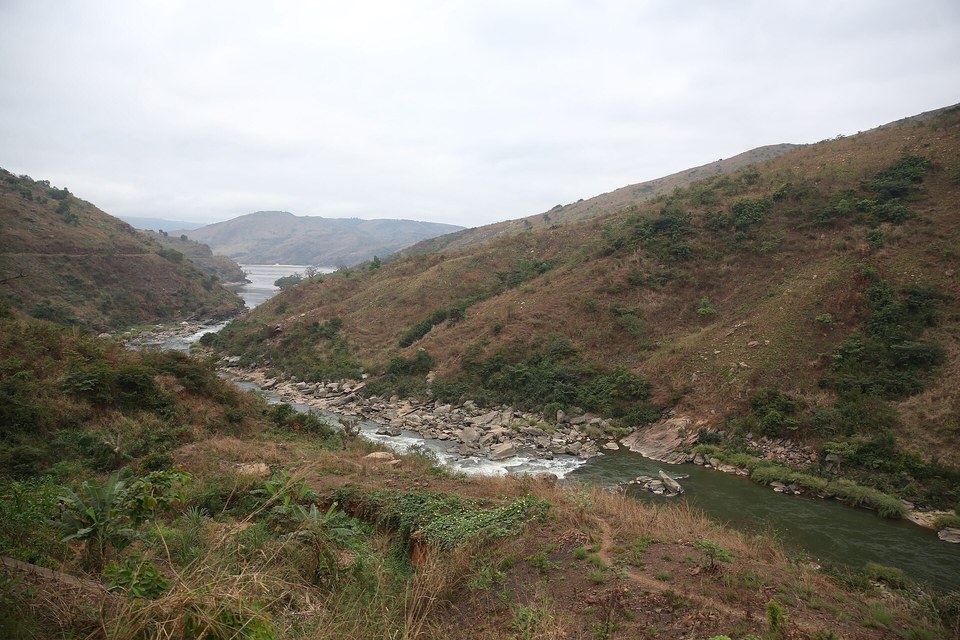
The setting explains the specification. Kongo Central's terrain toward the Congo River rapids is hilly and dissected, and the corridor's steep sections are exactly where the tender calls for reinforced concrete - a pavement choice that demands continuous concrete supply and careful haul management on gradients. Equipment working in these conditions typically includes 6x4 dump trucks in the 20-30 tonne class, water tankers for dust suppression on earthworks, and crane trucks for drain and culvert installation.
Chinese special-vehicle suppliers have a long track record in Congolese road programmes, where procurement of this type routinely pulls in imported fleets: dump trucks for the earthworks phase, flatbed and lowbed transporters for plant mobilisation, and truck cranes for drainage and structure works. With three lots running in parallel for ten months each, a single award can support a fleet of dozens of units working simultaneously on cut, fill, drainage and paving fronts.
Timing matters for suppliers. Bids close on 24 November 2026 and evaluation under a 60:40 quality-weighted regime typically takes months, pointing to awards in early 2027 - which is when winning contractors begin mobilising plant and placing equipment orders. Suppliers of dump trucks, flatbeds and truck-mounted cranes watching the DRC market have a natural window in the first half of 2027 to present offers aligned with the three lots' ten-month execution schedules.